The Galápagos
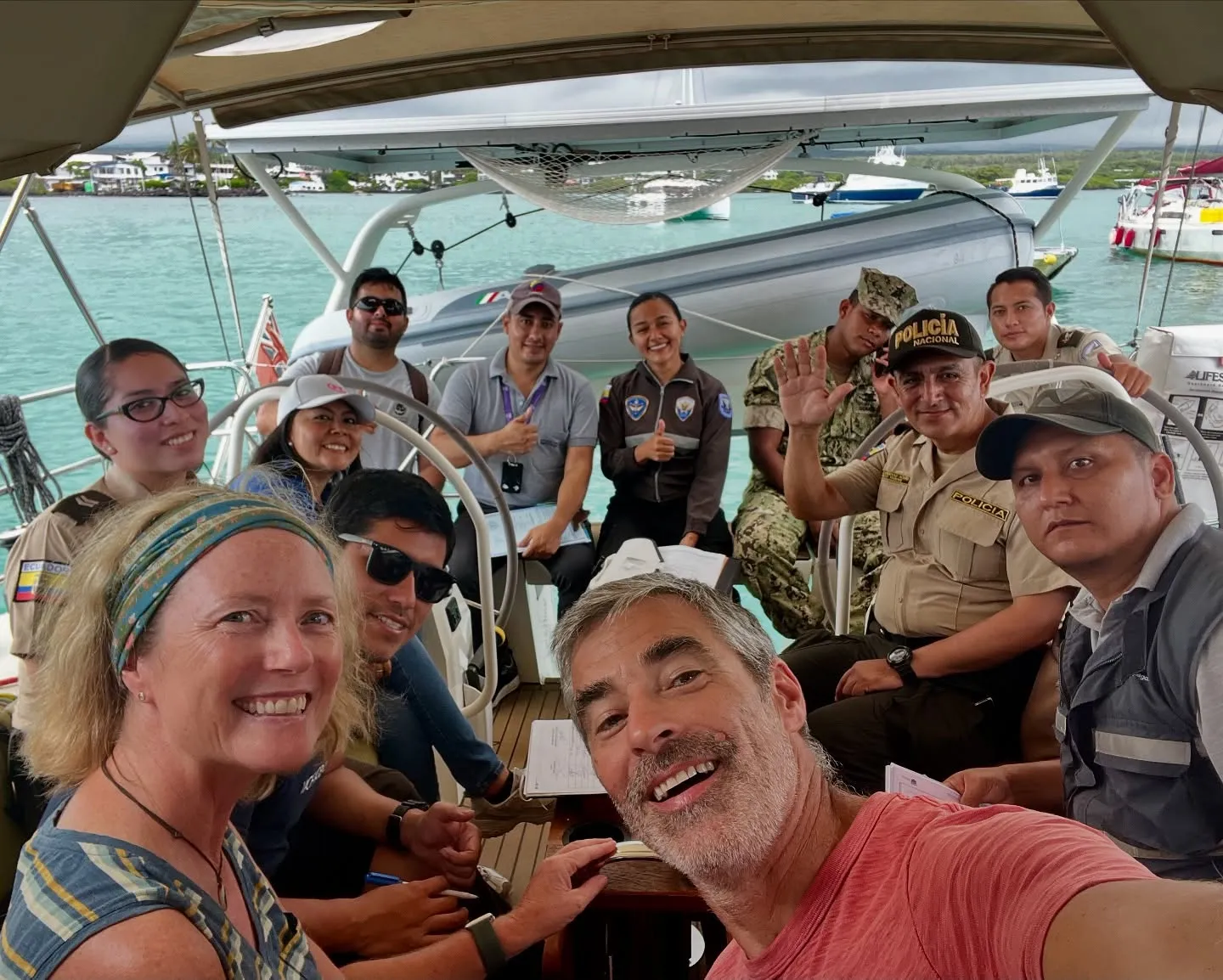
After nine days at sea, and our first crossing of the equator, Scout had arrived in the Galápagos. But before we could explore, we needed to check in, and checking a sailboat in to the Galápagos is a (big but friendly) team sport!
We had representatives from our agents, immigration, the police, the port authority, the national park, customs, and probably someone we’ve forgotten. And this photo doesn’t even show the biosecurity team, who surveyed the bottom of the boat to make sure it was clean of invasive barnacles.
Scout passed her inspection (thanks to a lot of preparation) and we were official. Our next visitors were likely to be the cheeky sea lions that frequent the bay looking for transoms to sleep on!
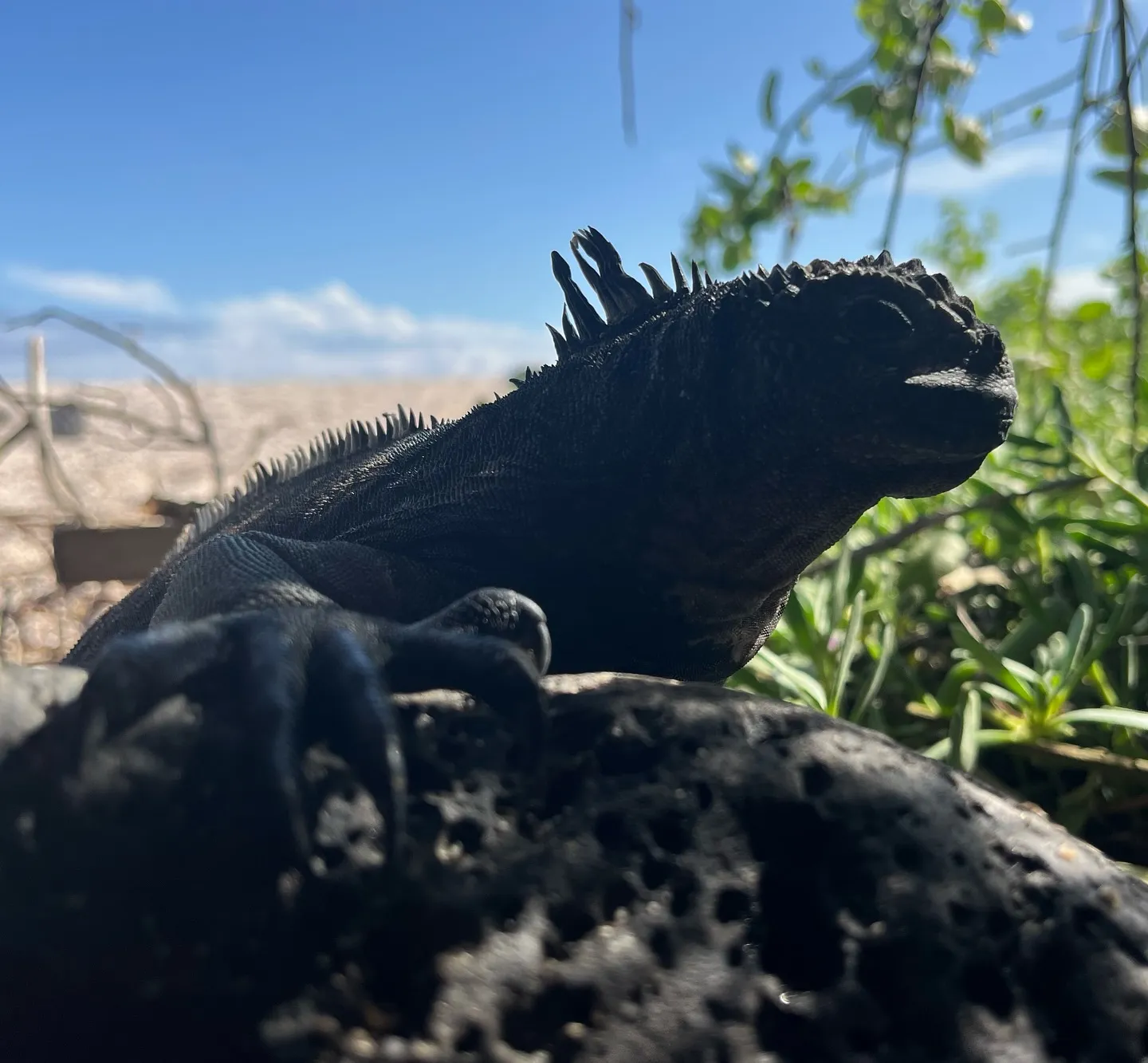
We had many incredible nature encounters in the Galápagos, but we’ll start off with a slightly intimidating iguana at the beach, doing his best Godzilla impersonation.
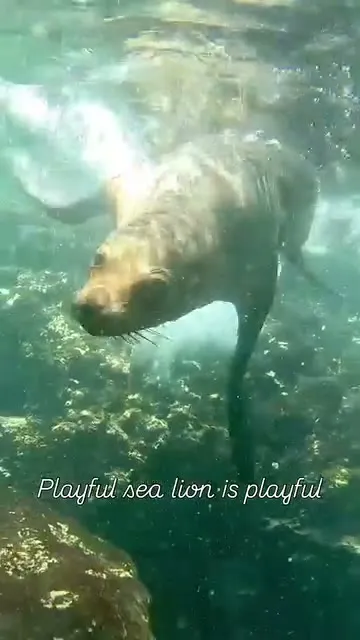
We soon found out that snorkeling in the Galápagos is a full contact sport.
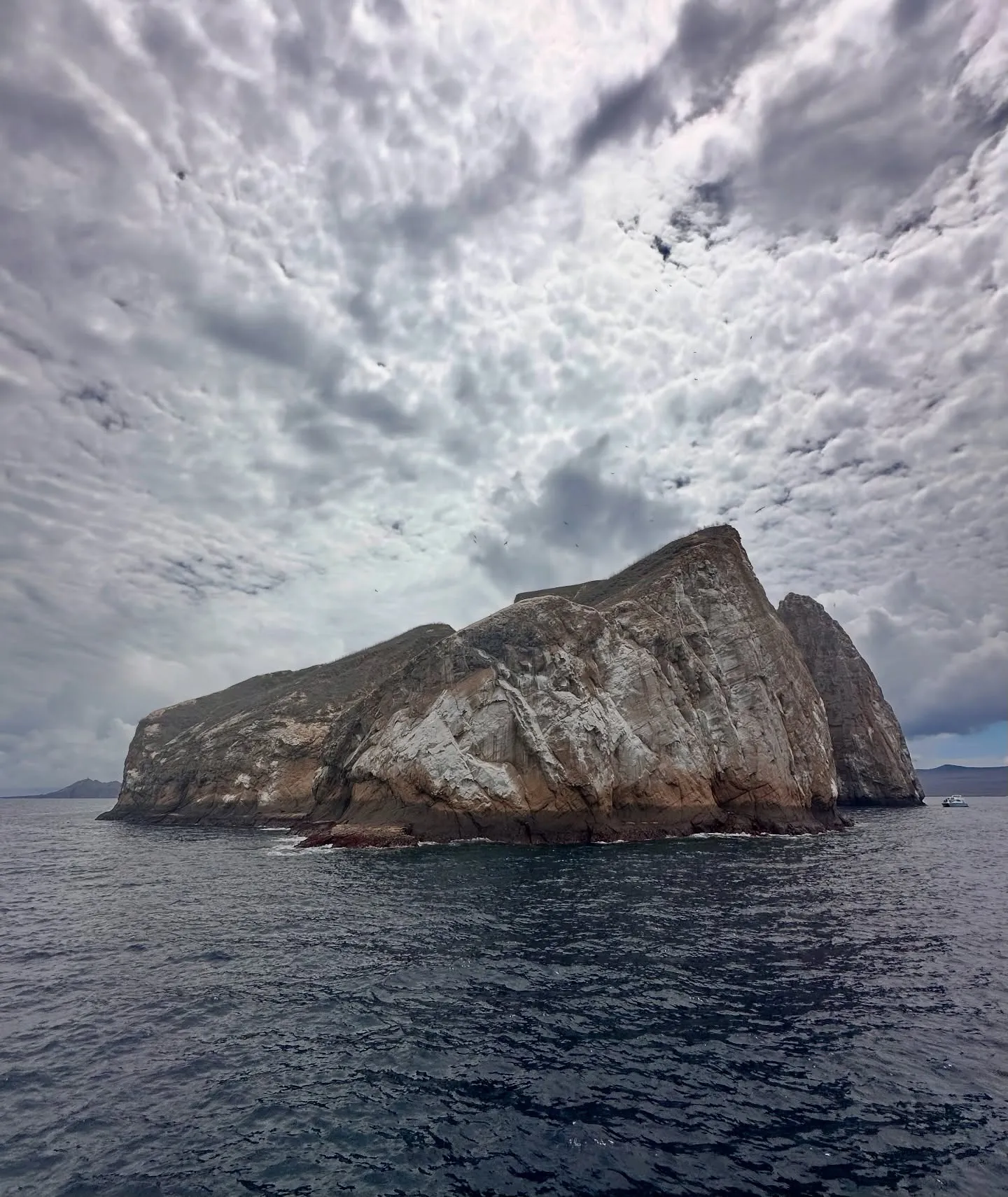
We also went out to the famous Kicker Rock for a dive trip. It is stark and barren above the surface, but teeming with life below.
From there we moved on to Isla Isabela and its volcanoes.
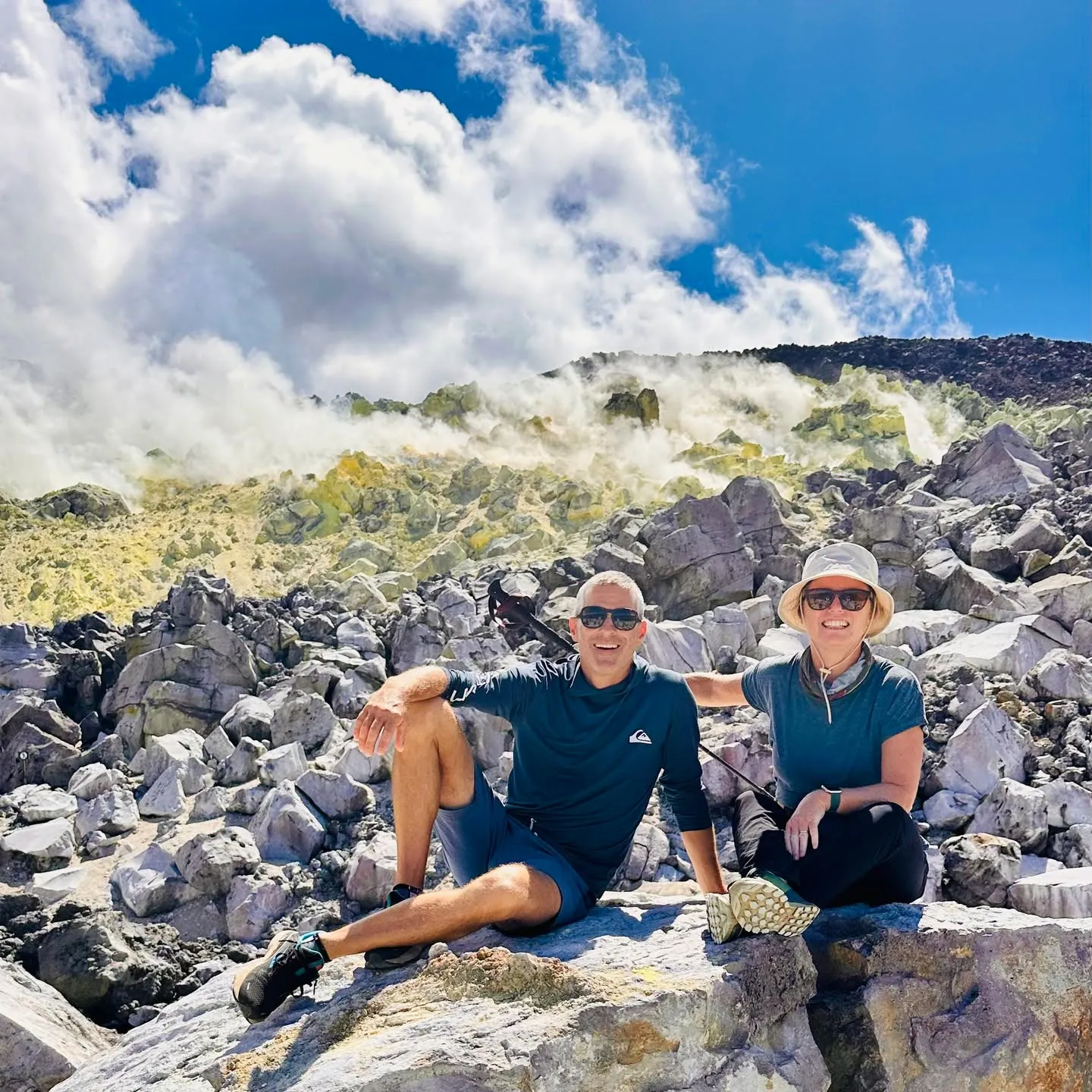
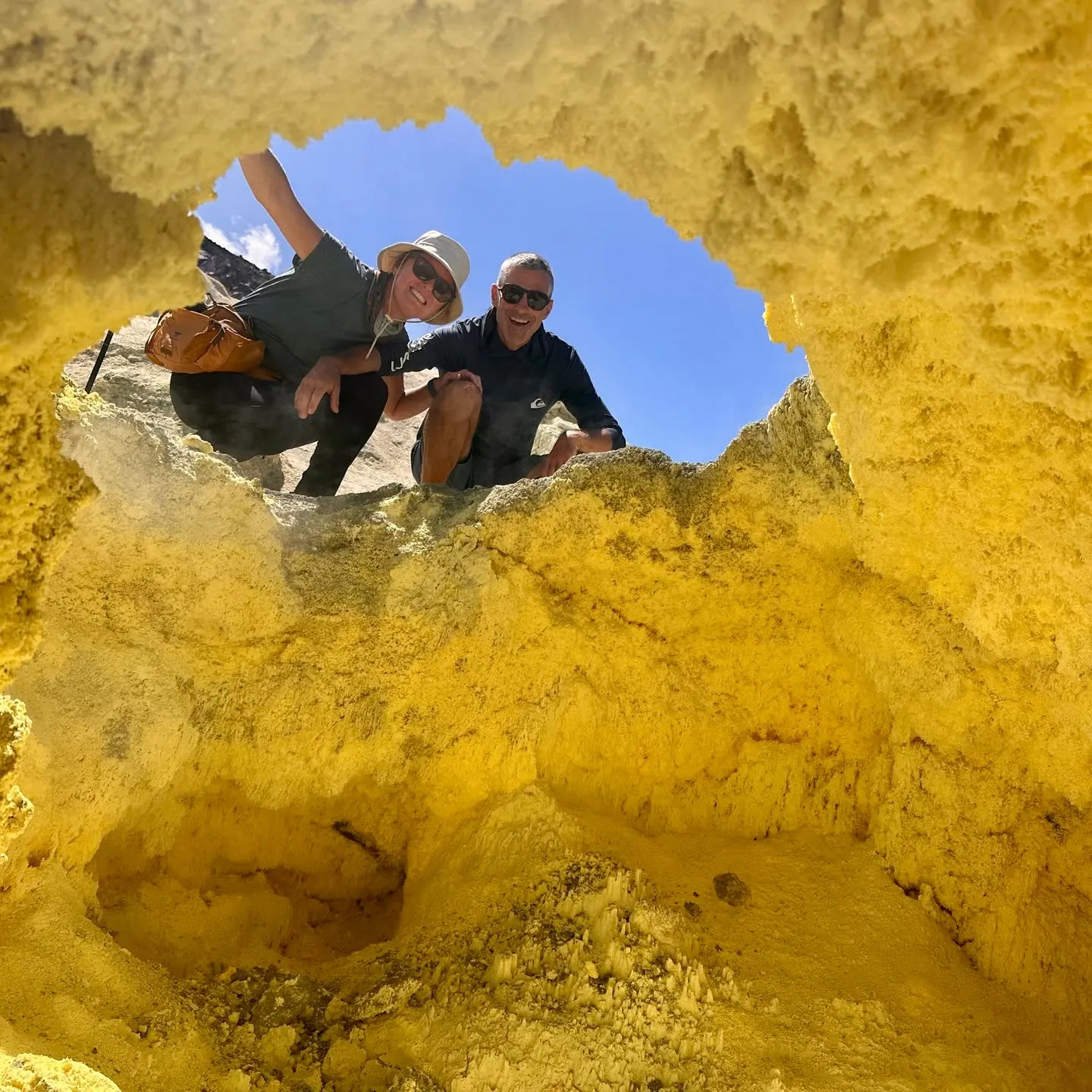
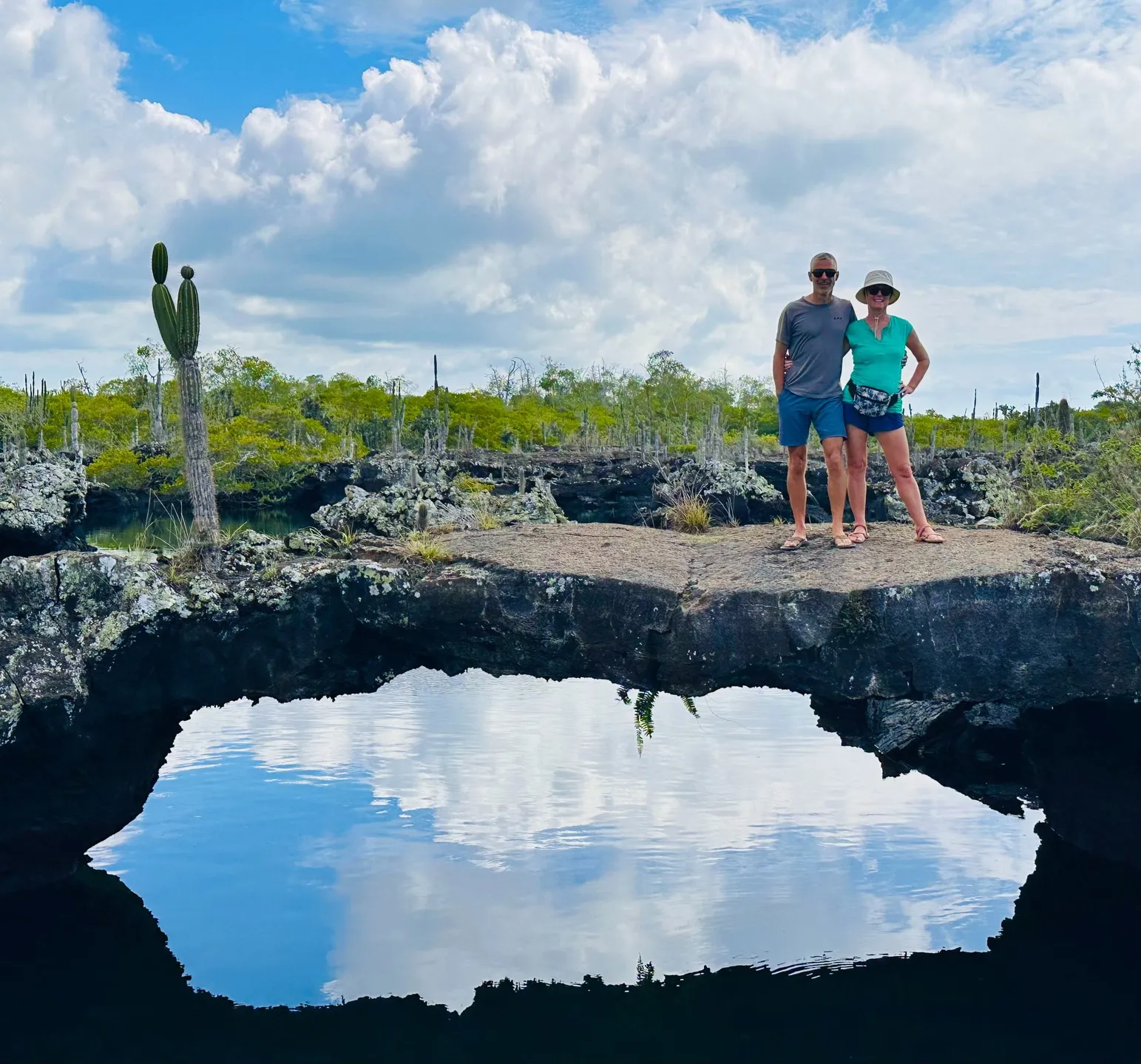
The lava tunnels on Isabela are a crazy other-worldly landscape of lava, cactus, and ocean, populated with sea lions, sharks and boobies. There was only enough room in some of the tunnels for one!
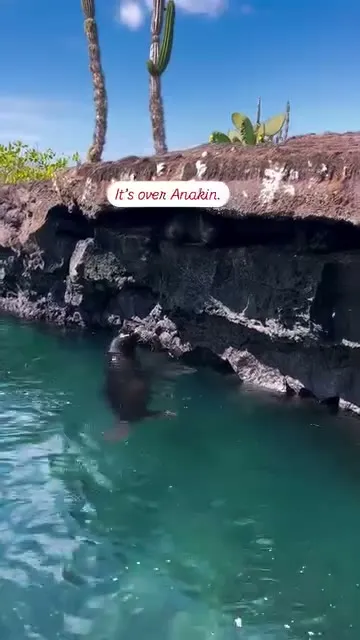
It was an excellent day out, with some great snorkeling too.
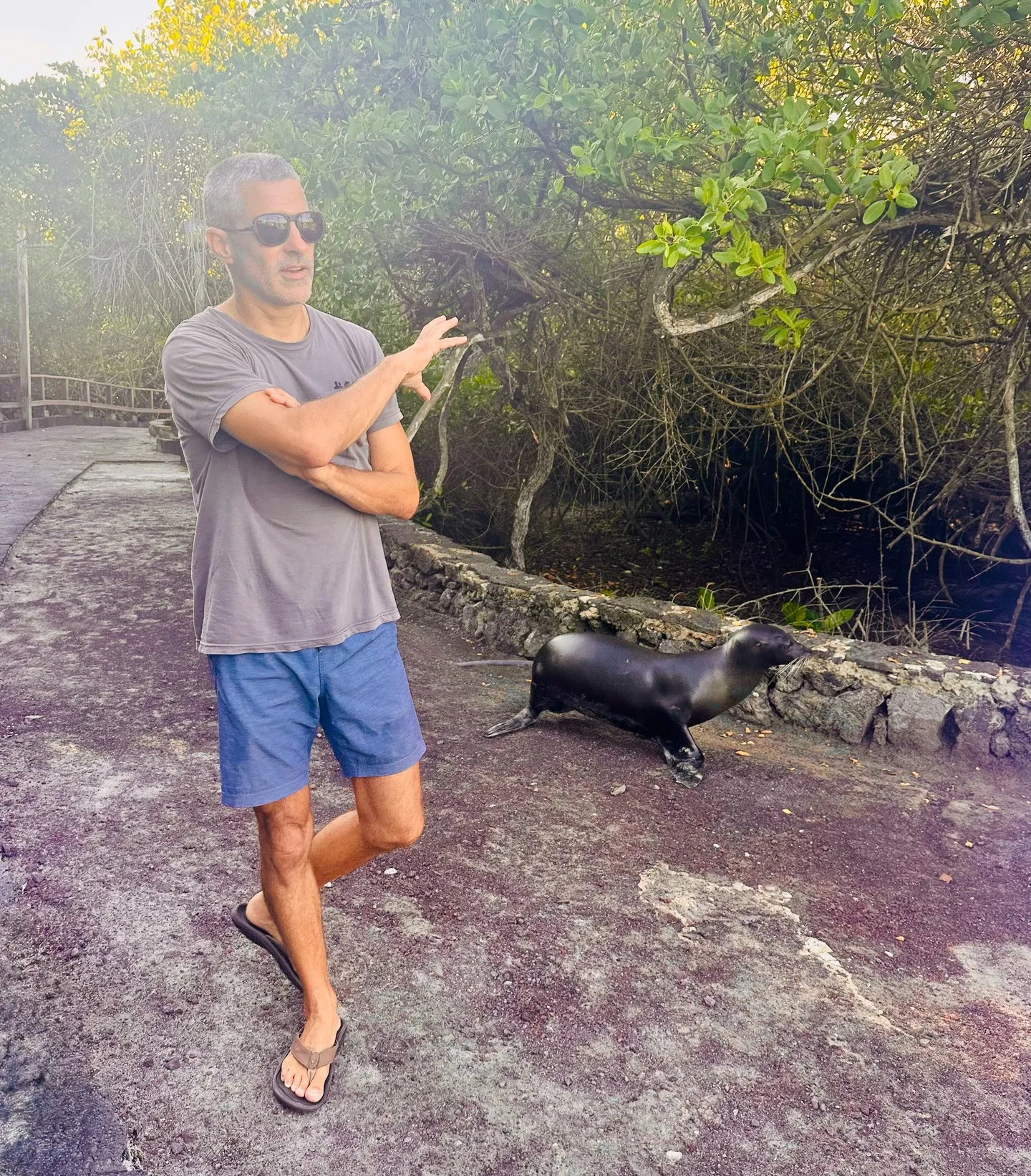
We even went for a walk with the dog. Or rather (checks notes) the sea lion.
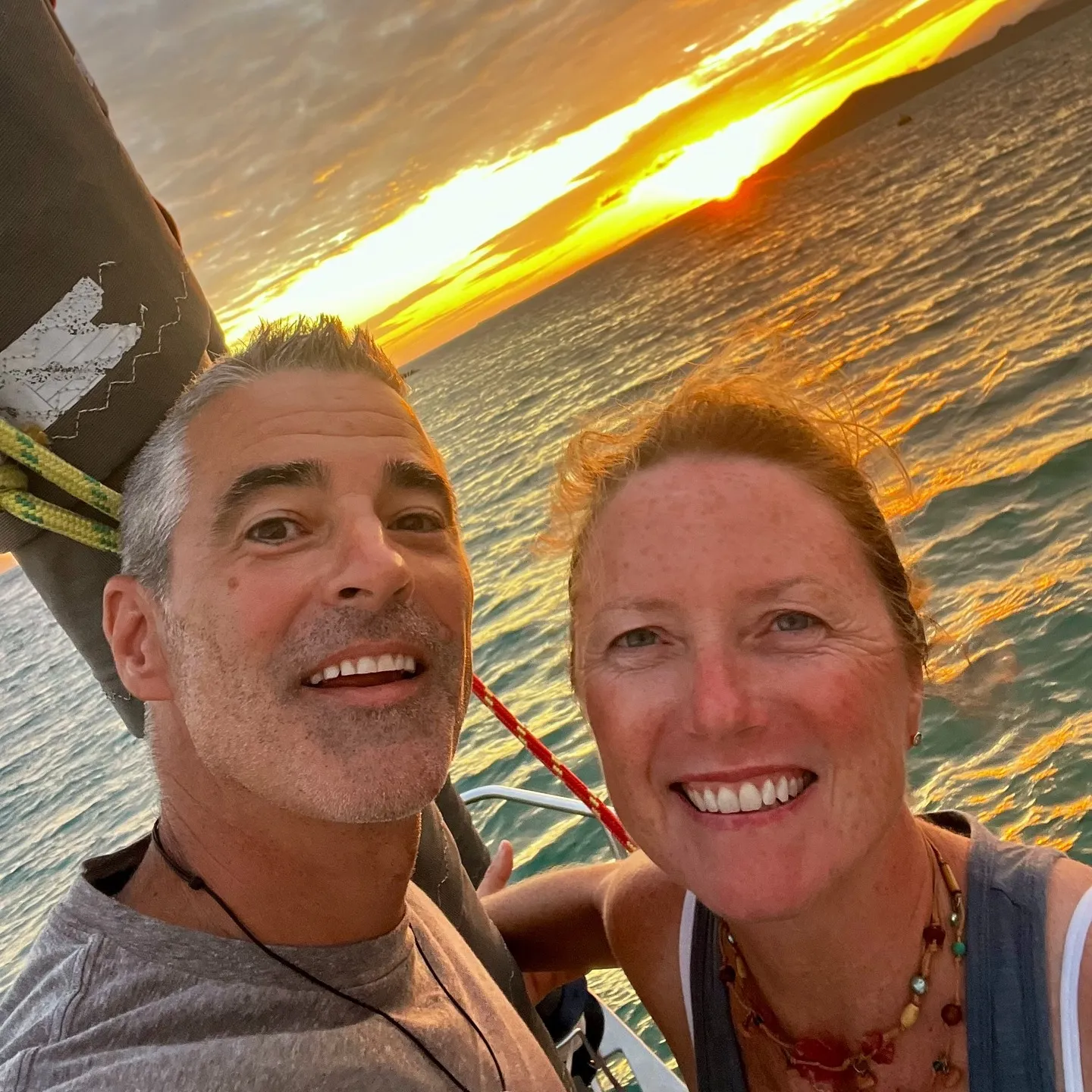
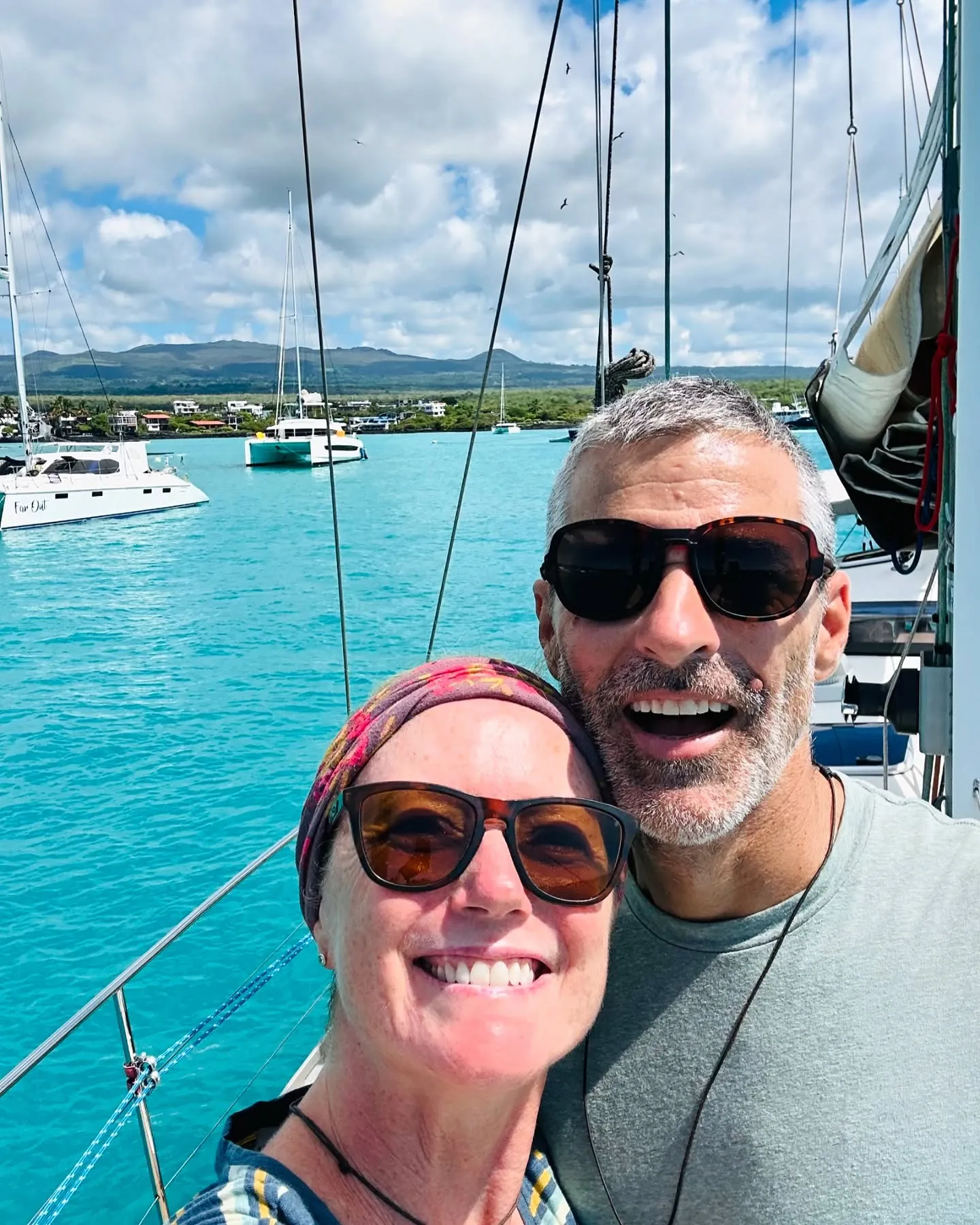
All too soon it was time to say farewell to the Galápagos, and set off on the long passage west across the Pacific.
While we were on passage, we had plenty of time to go back over the photos of all the incredible animal encounters we’d had. First, the big and friendly green turtles. A shout out to our excellent guide, Eduardo from Rosedelco Galápagos!
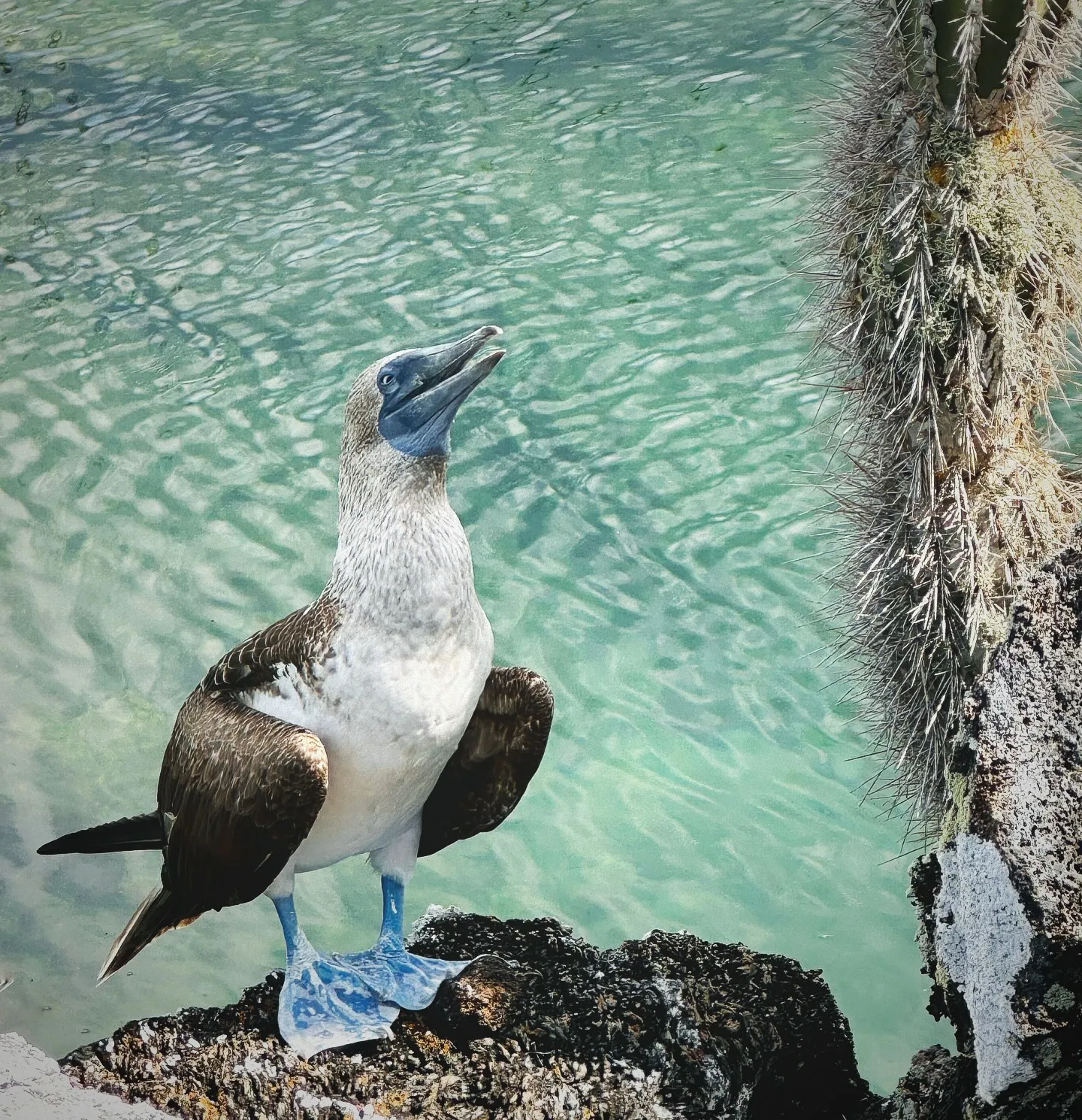
Then there was this friendly blue-footed booby. He was just chilling in the shade of a cactus on a lava field in Isabela.
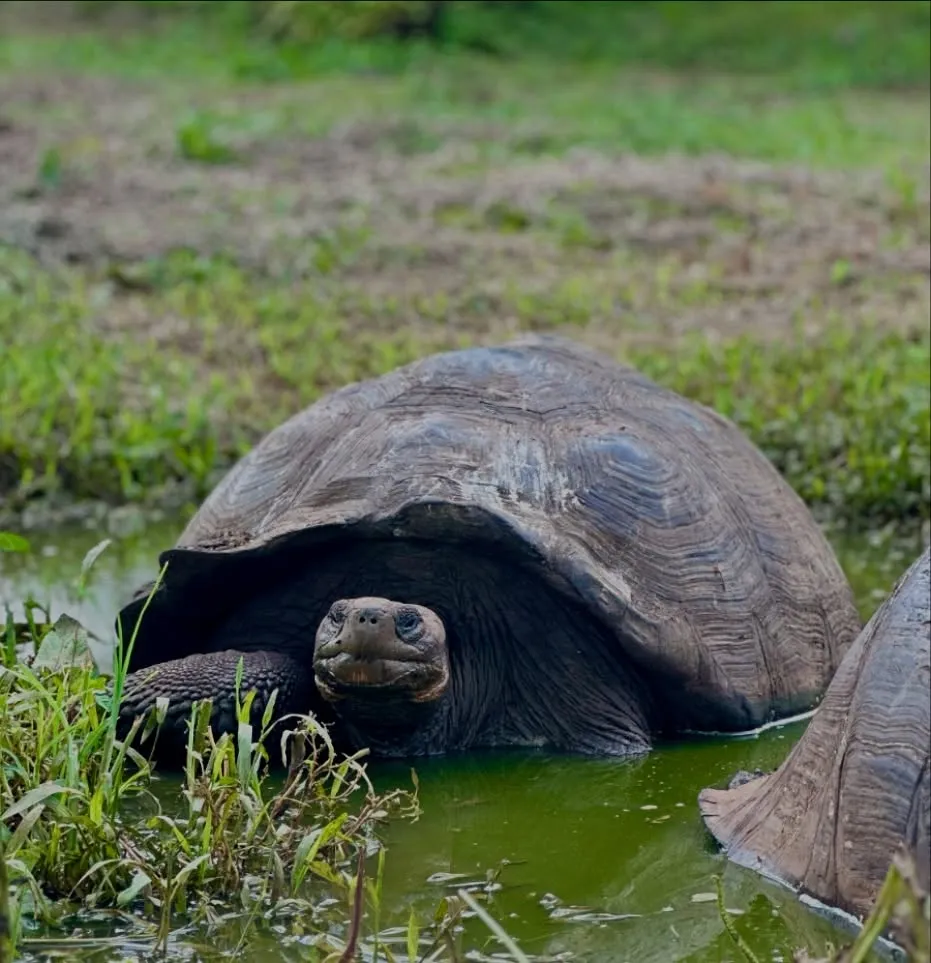
And finally, a giant tortoise on Isla Santa Cruz. In fact, an astute 19th century gentleman biologist should be able to tell which island he’s from because of the domed shell - those on more arid islands have different shapes so they can reach up to the cactus branches.
(Go back to London, undertake some further theorizing, and the next thing you know…)
Stay tuned for our next blog post about Scout’s 24 days crossing the Pacific!
Read the previous post: Into the Pacific: Panama to the Galápagos
Read the next post: 24 Days Across the Pacific