Recommissioning and the San Blas
Four months is a long time to leave a boat sitting in the tropics. Scout had waited out hurricane season in Cartagena, and before we could point her towards the Pacific, there was some recommissioning to be done.
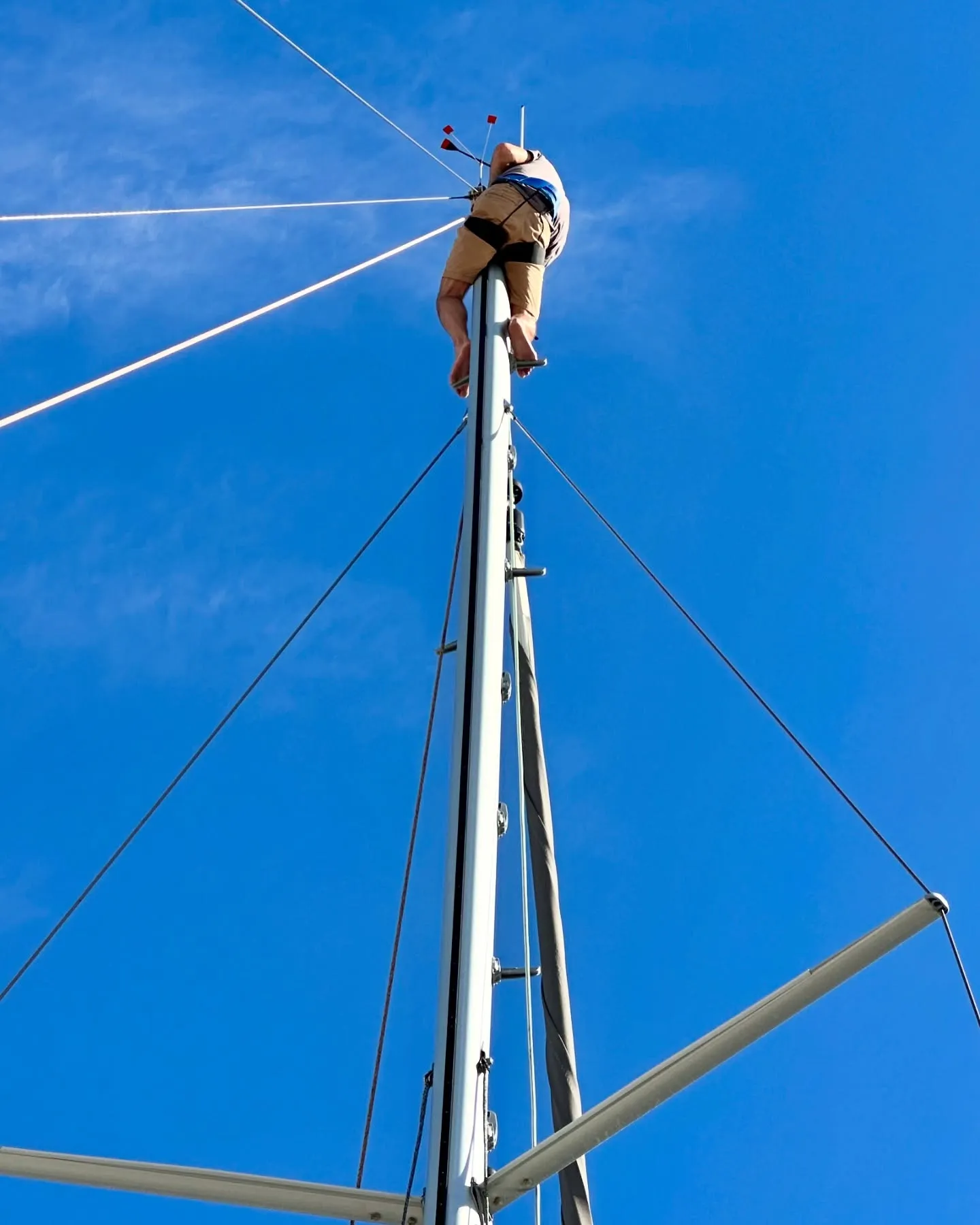
It started at the top of the mast. Scout’s wind speed measurement relies on one small, exposed, salt-encrusted part sixty feet in the air, and after four months of sitting still, our anemometer had given up. So up I went with some cleaning supplies, and an hour later the little windmill was spinning again. Hurrah!
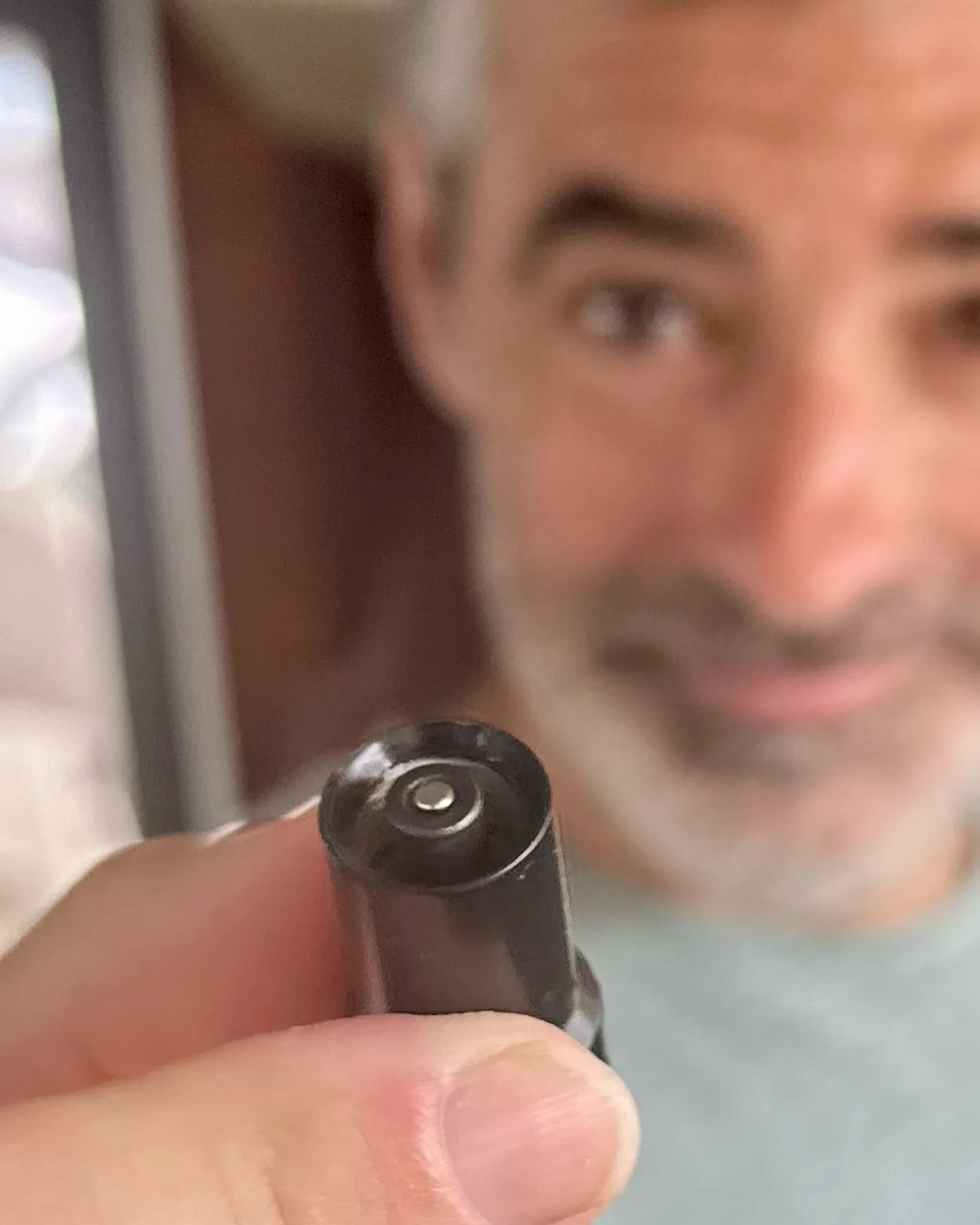
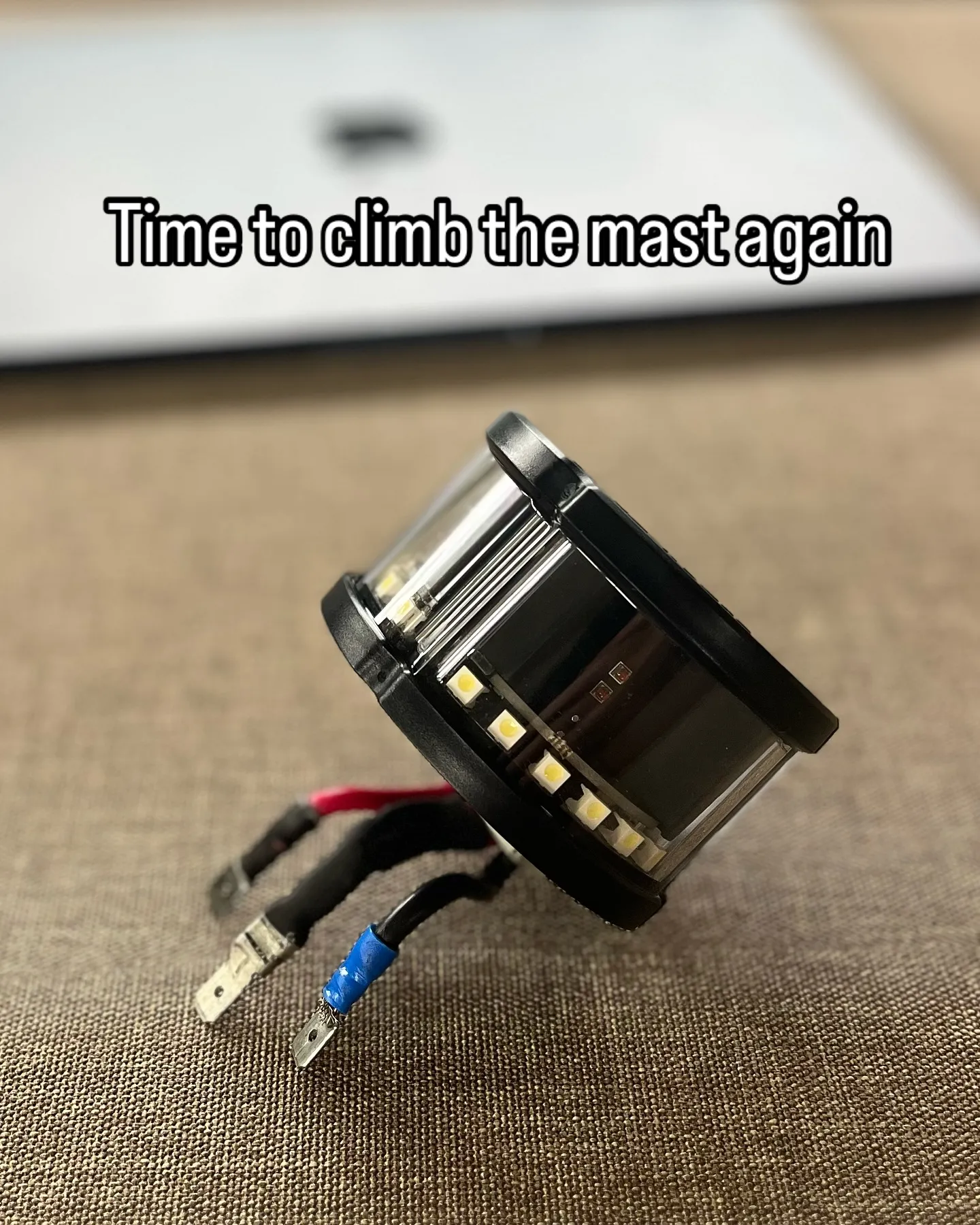
Next up was the anchor light and tricolour. As many Garcia owners know, the standard unit has a resin lens that gets a little dim and cloudy. Our new one reused the same base, but with a clearer, brighter lens and proper LEDs. It’s a small upgrade, but at sea, being seen is everything.
Season three was ready to start!
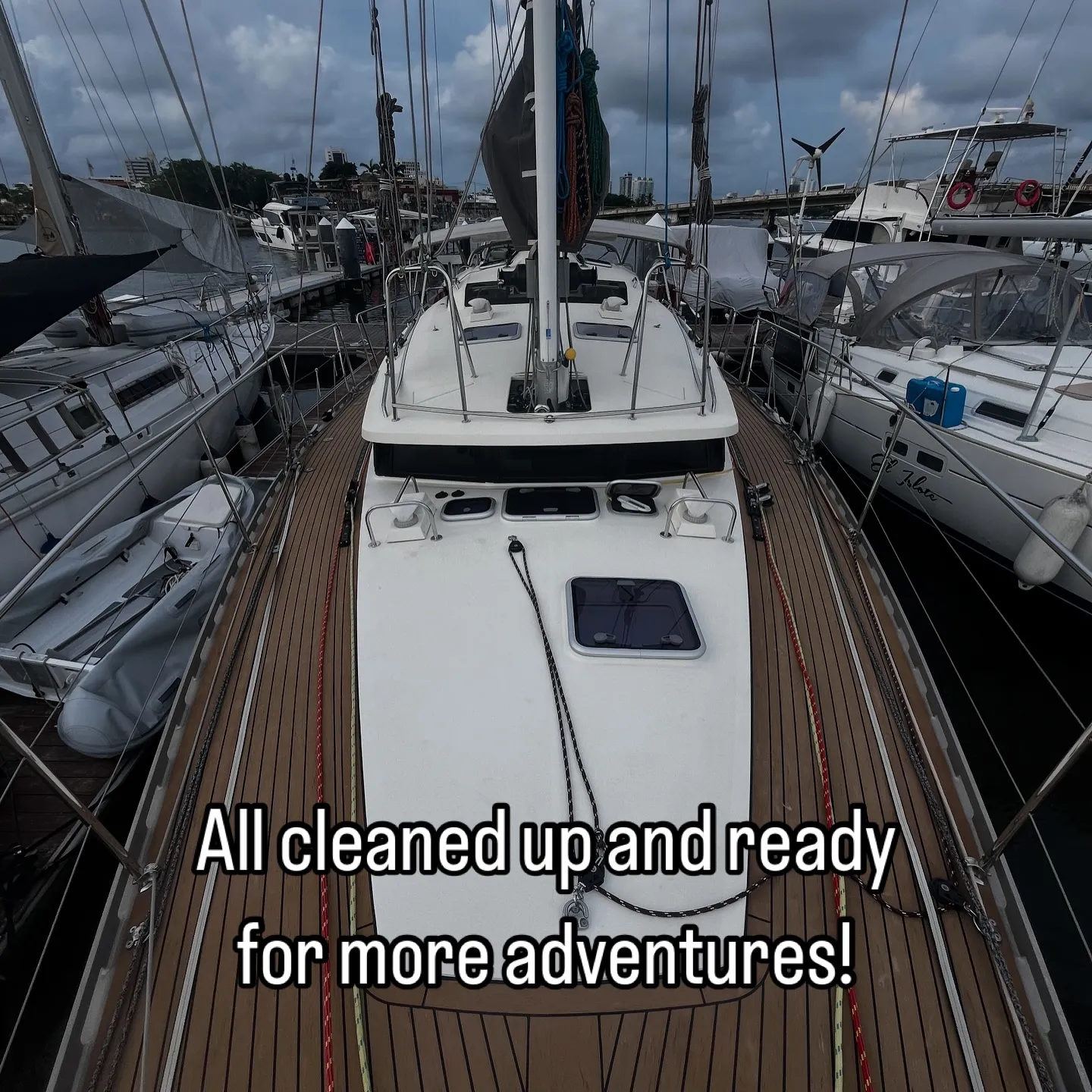
On the 18th of October, we were back under sail, and it was great to be back.
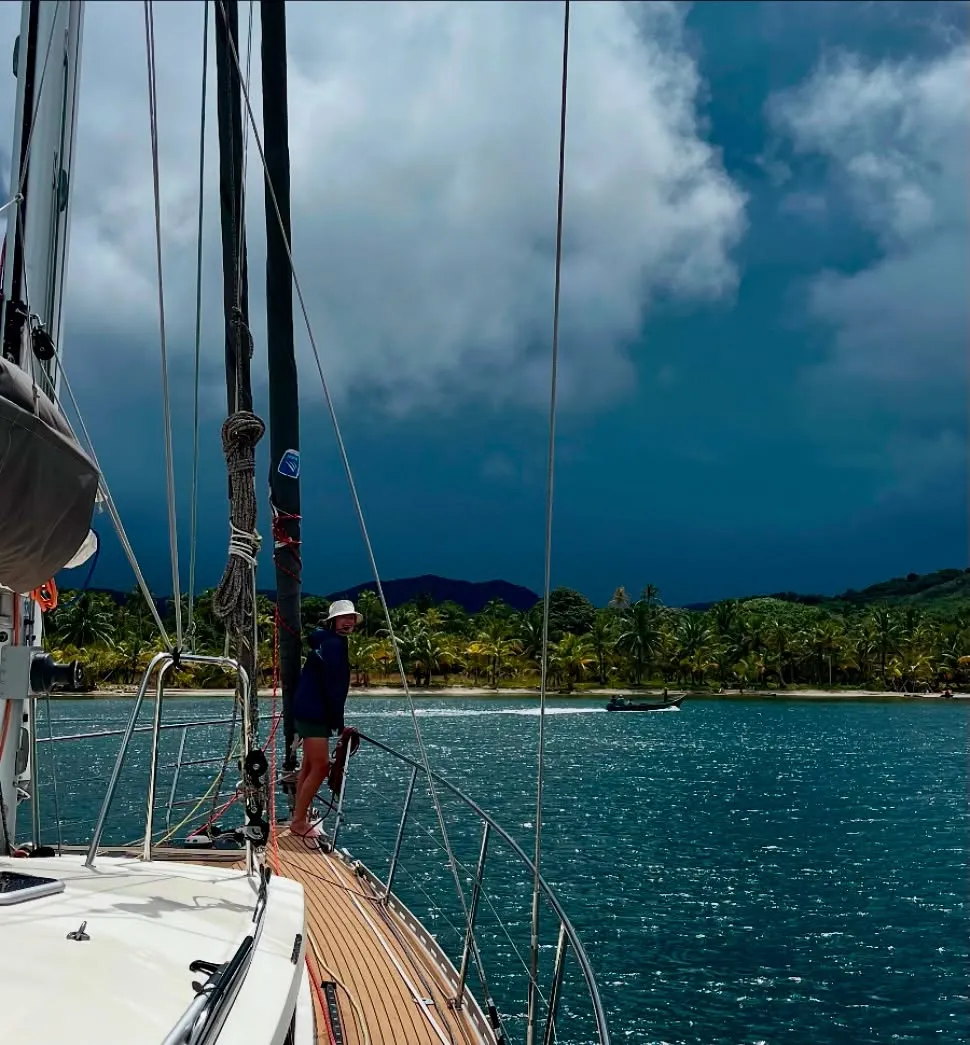
Two days later, after a relaxing passage (apart from some thunderstorm-dodging at the end), we made landfall in a new country: Panama’s San Blas islands, or Guna Yala, as its people call it. A rainbow arched over the anchorage as we arrived, after quite the lightning show.
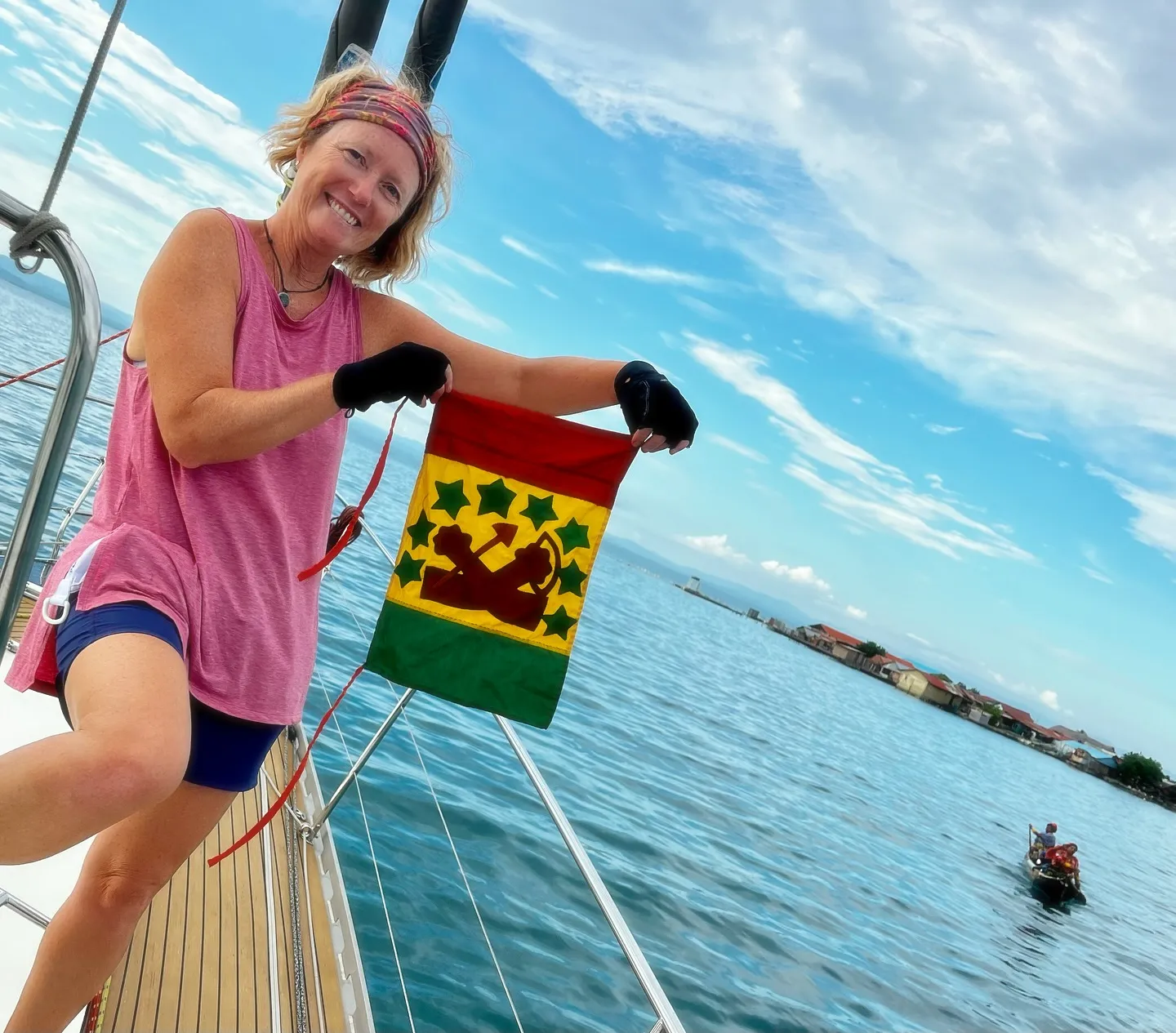
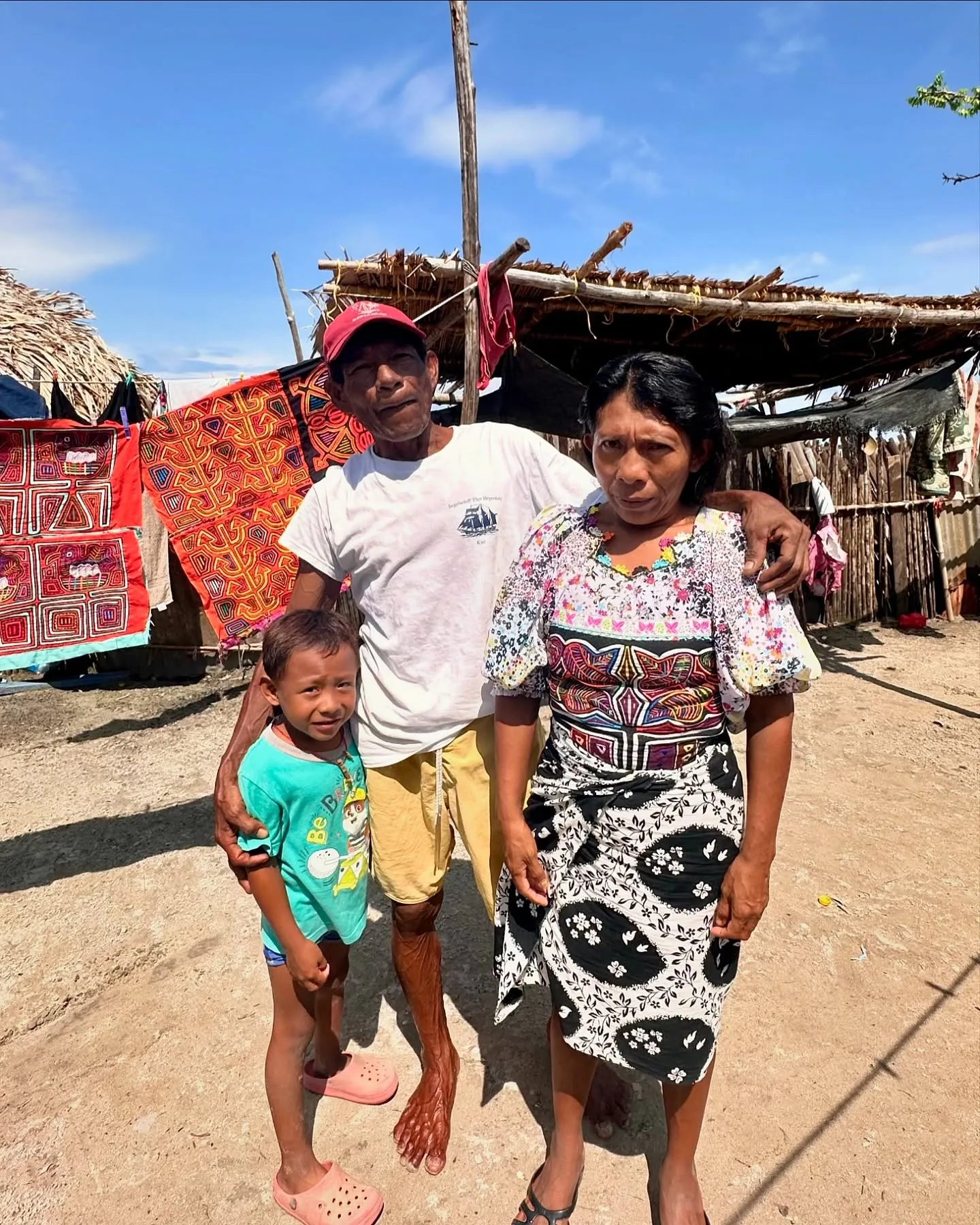
The San Blas is not quite Panama. It’s an autonomous indigenous region, self-governing since a revolution in 1925, with its own flag, which we flew for our entire stay. On our first full day, a local man named Nestor invited us to visit the Guna community on the island of Nalunega, and gave us a tour that included the village school, where we briefly disrupted a third-grade English class.
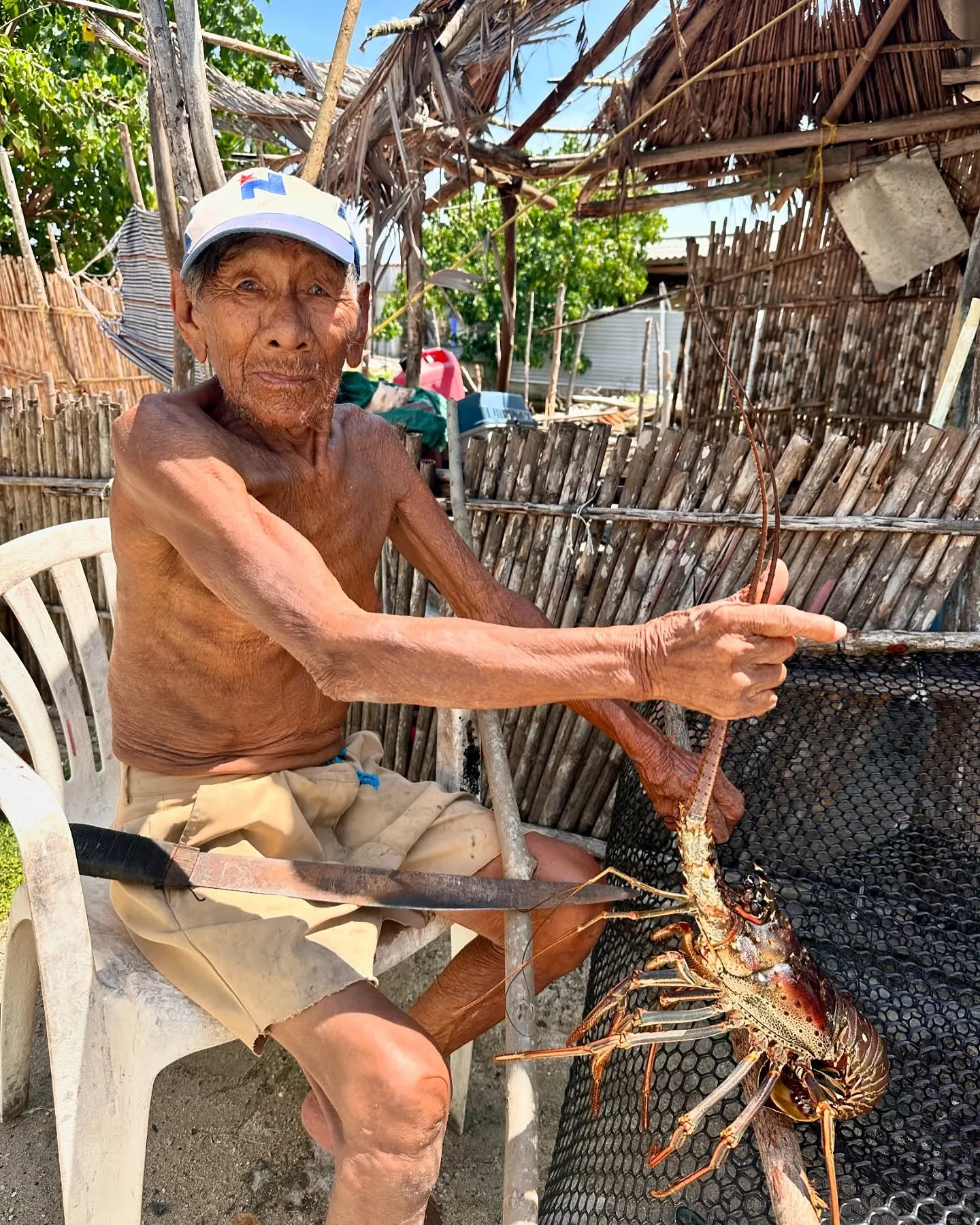
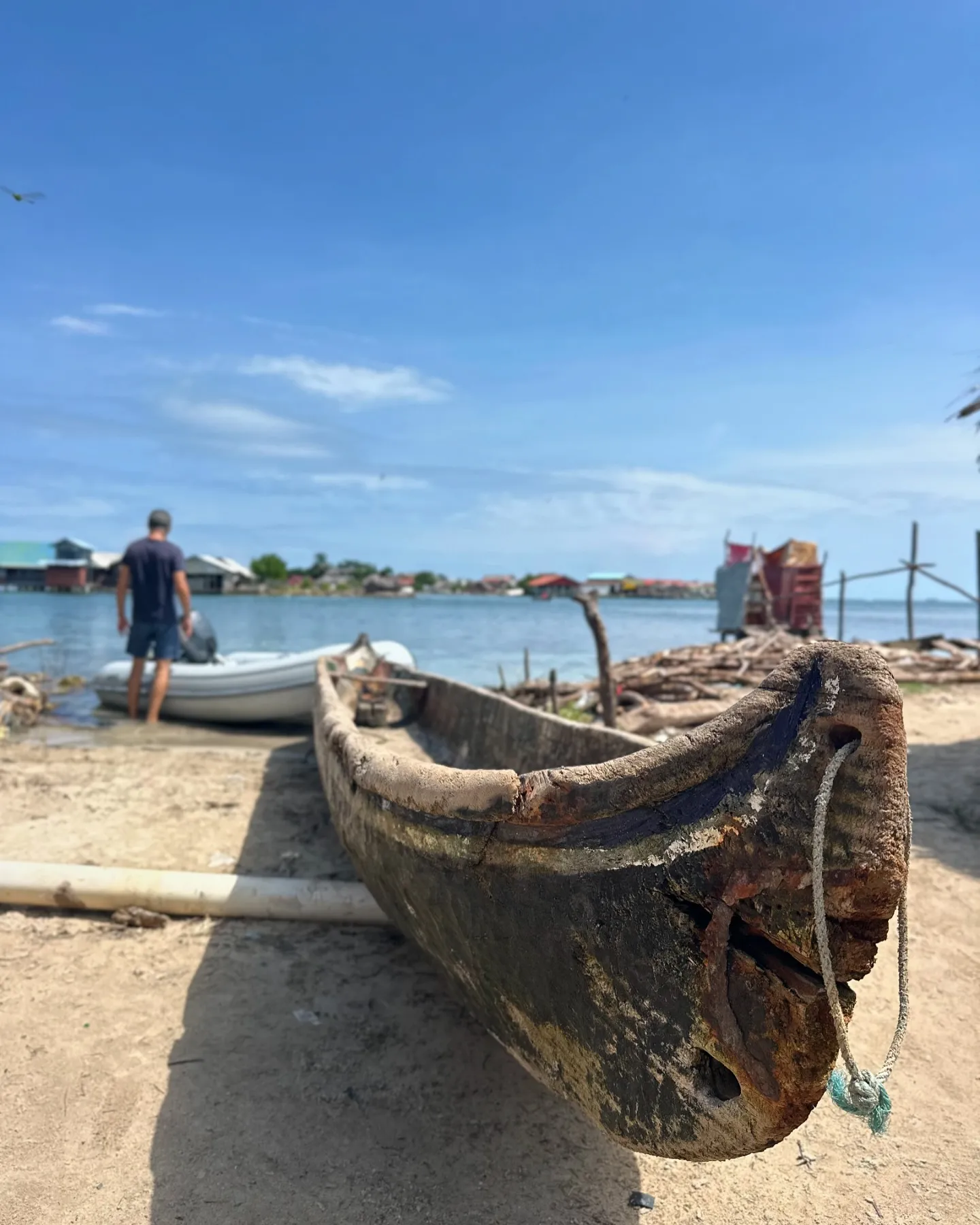
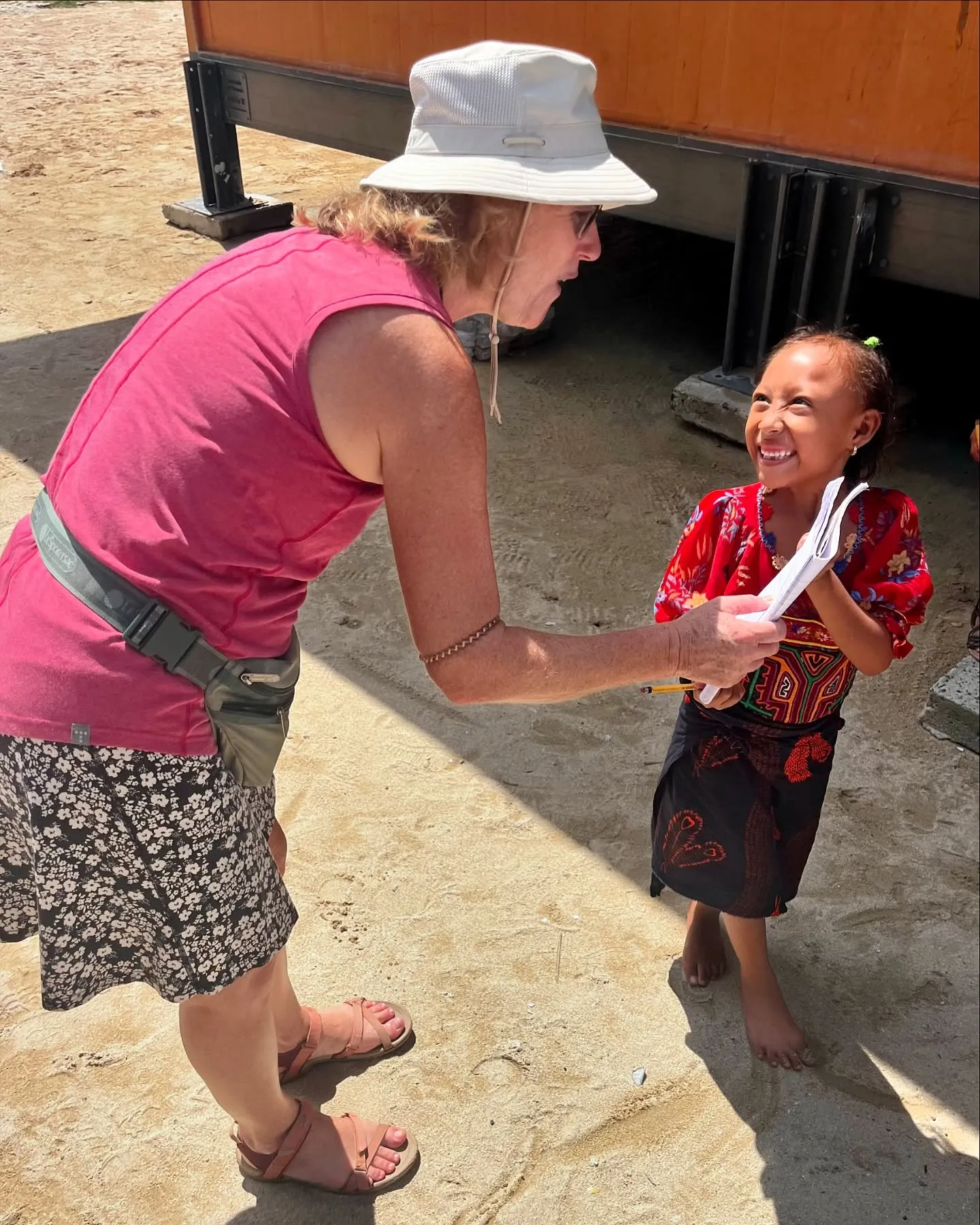
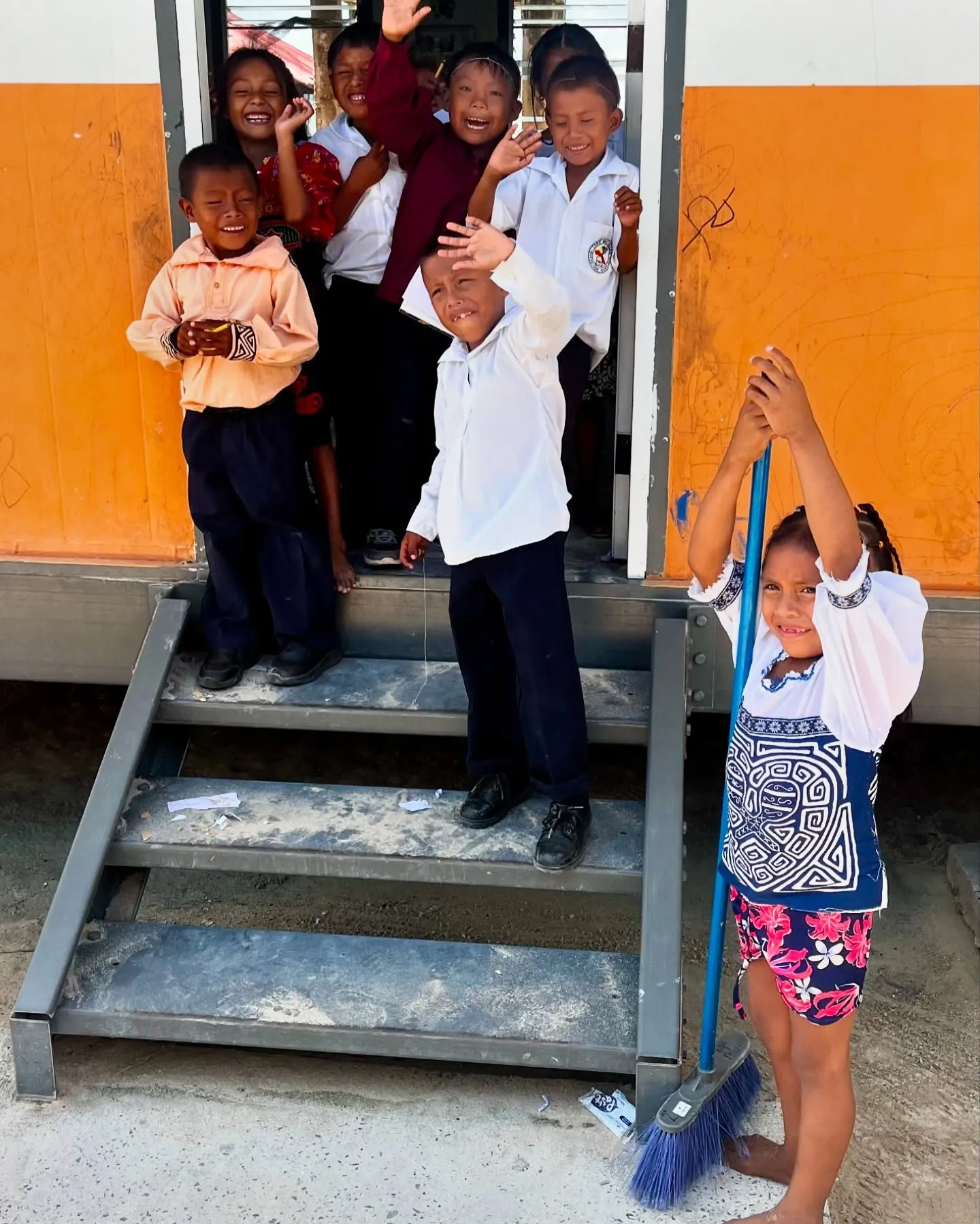
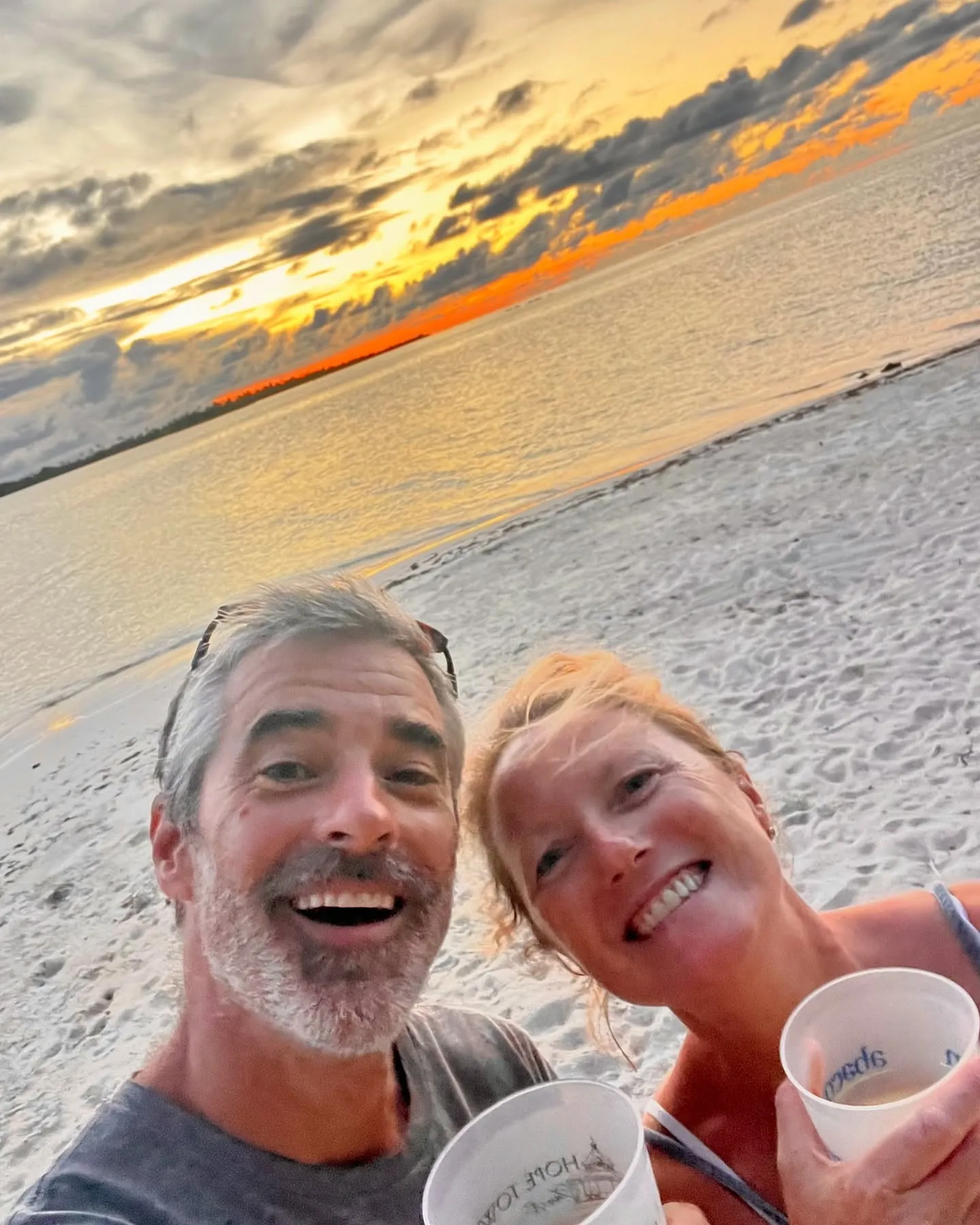
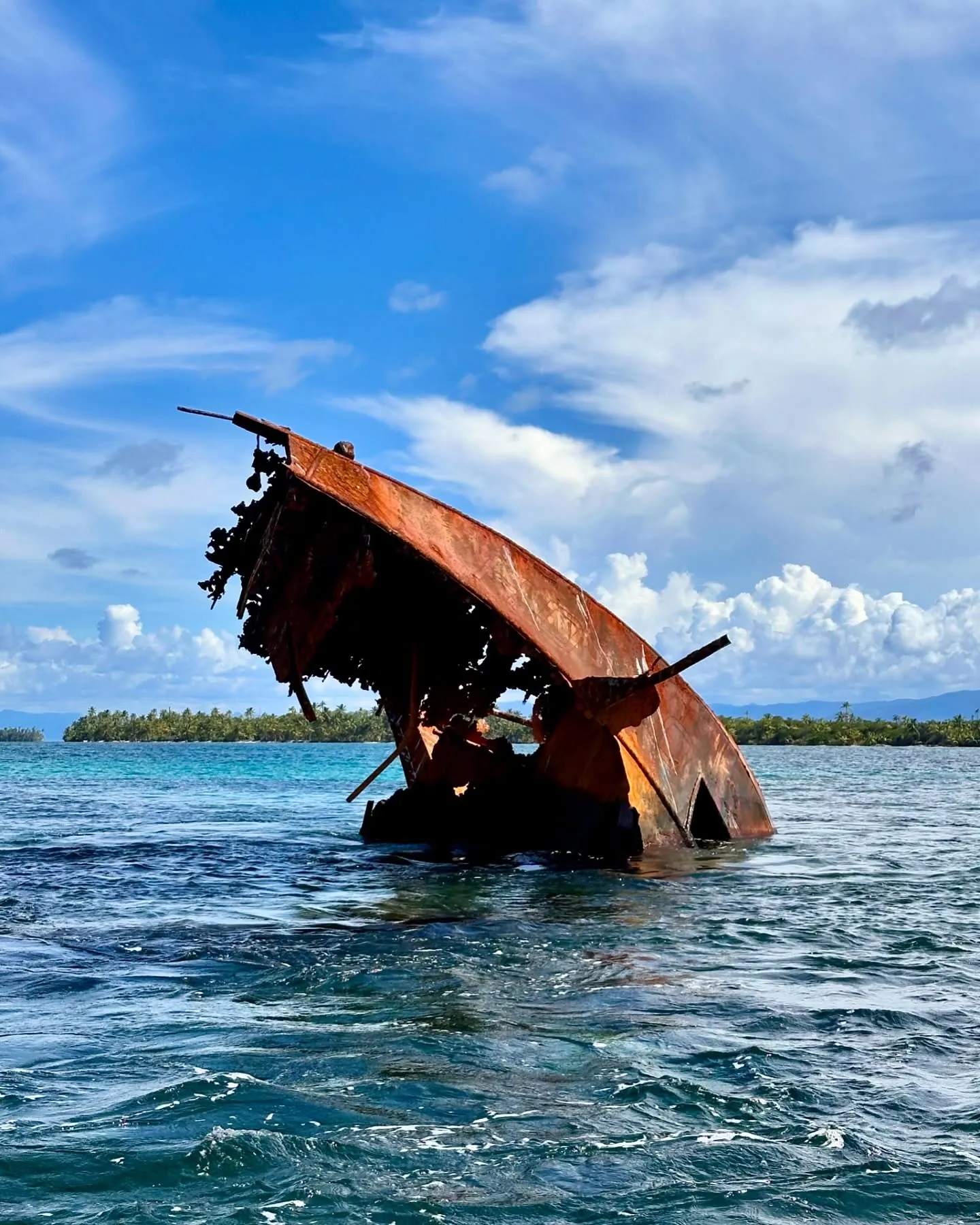
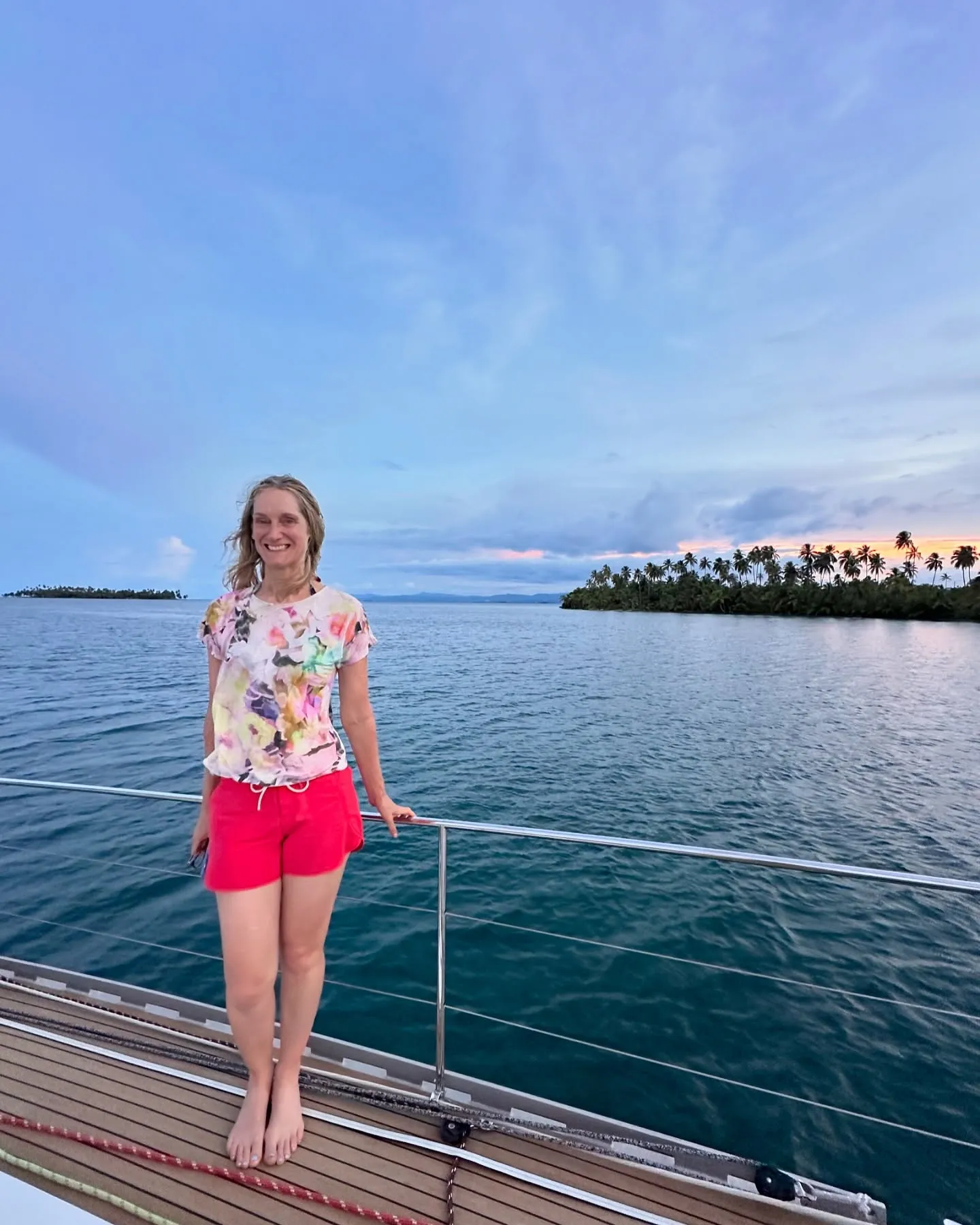
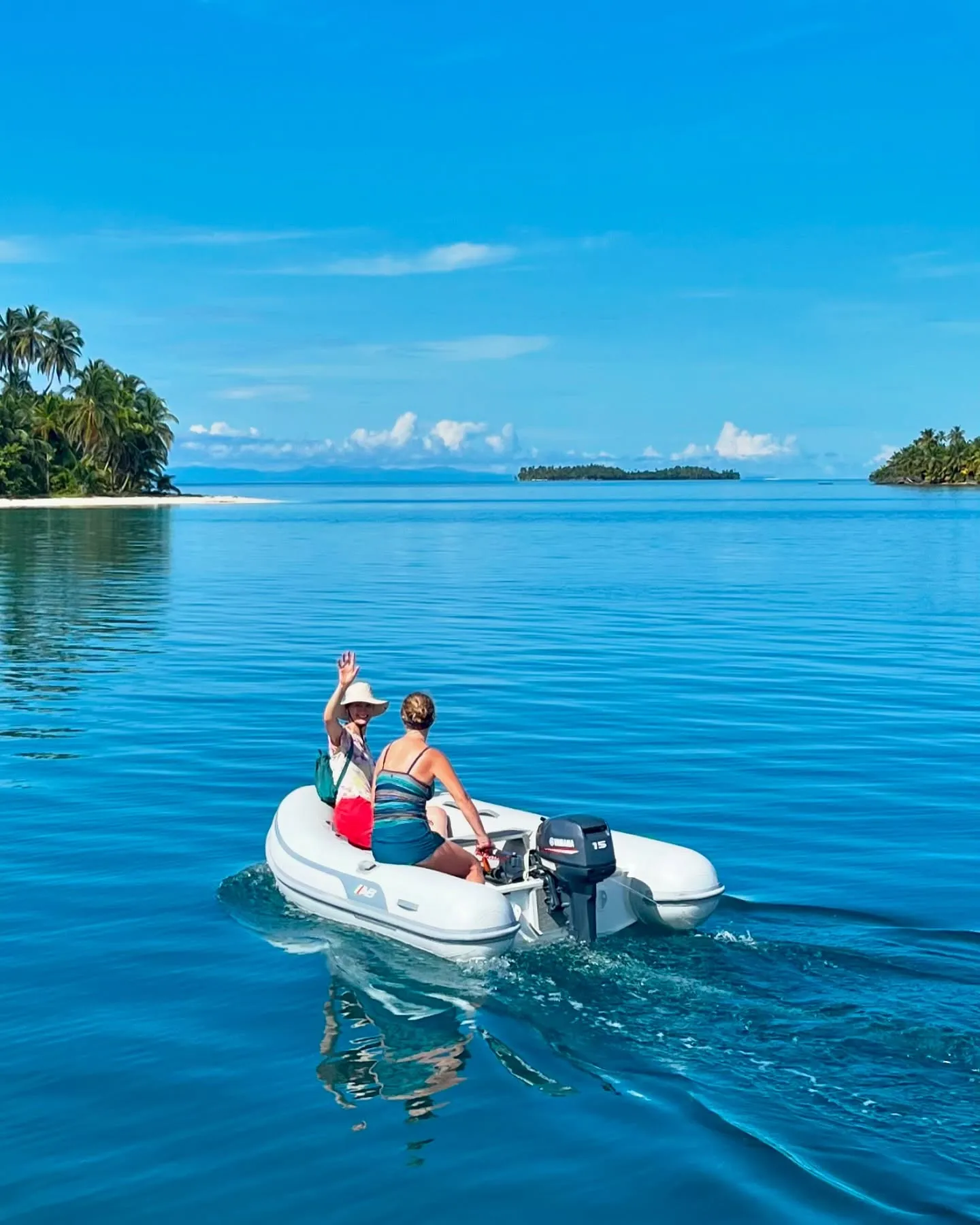
We soon settled into a rhythm. There were colourful sunsets every evening, a barbecued snapper feast with the local cruising community, and a dinghy trip out to a forlorn old wreck on the reef, with excellent snorkeling.
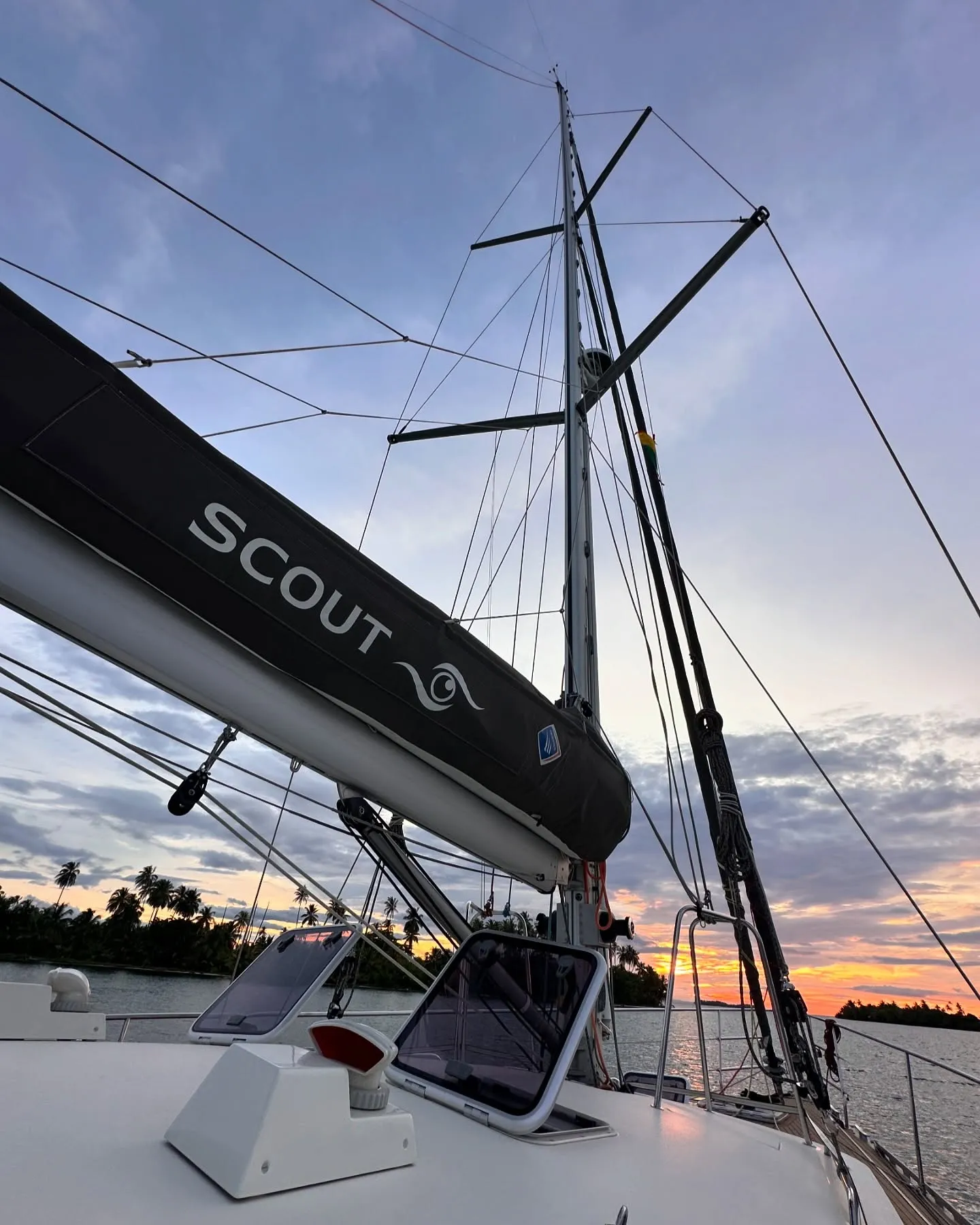
Then the weather reminded us who was in charge. A violent thunderstorm hit our tiny anchorage, with reef on all sides, and for a few exciting minutes we watched the wind instruments very closely. But Scout sat comfortably through the whole thing, and our Ultra anchor reset immediately and saved the day.
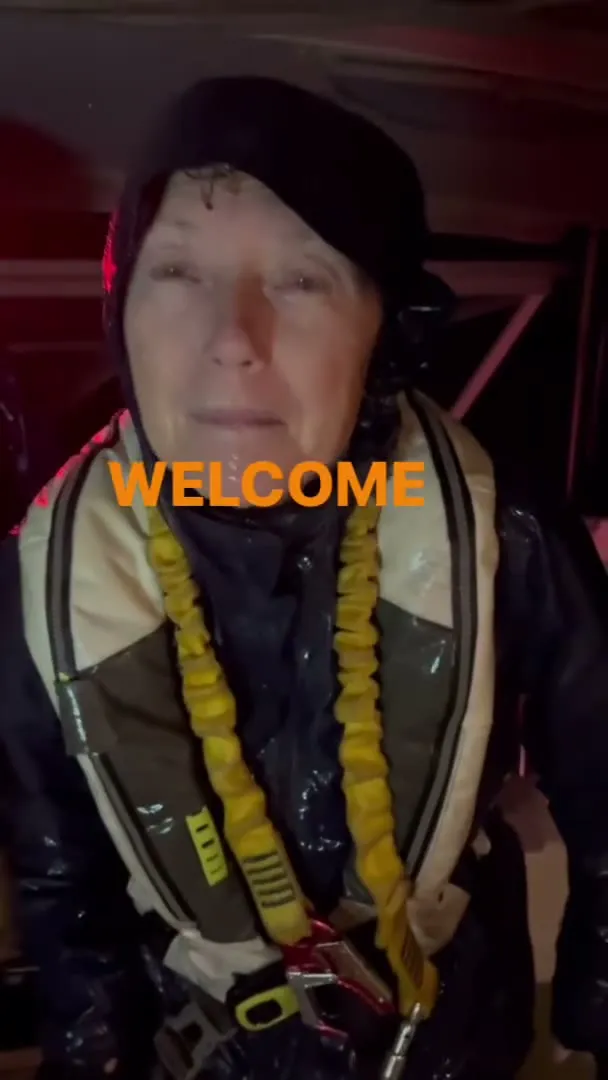
We’d had company for the passage down from Cartagena: Janet, who had been a most awesome crew member, and who we were sorry to wave off. Thanks, Janet!
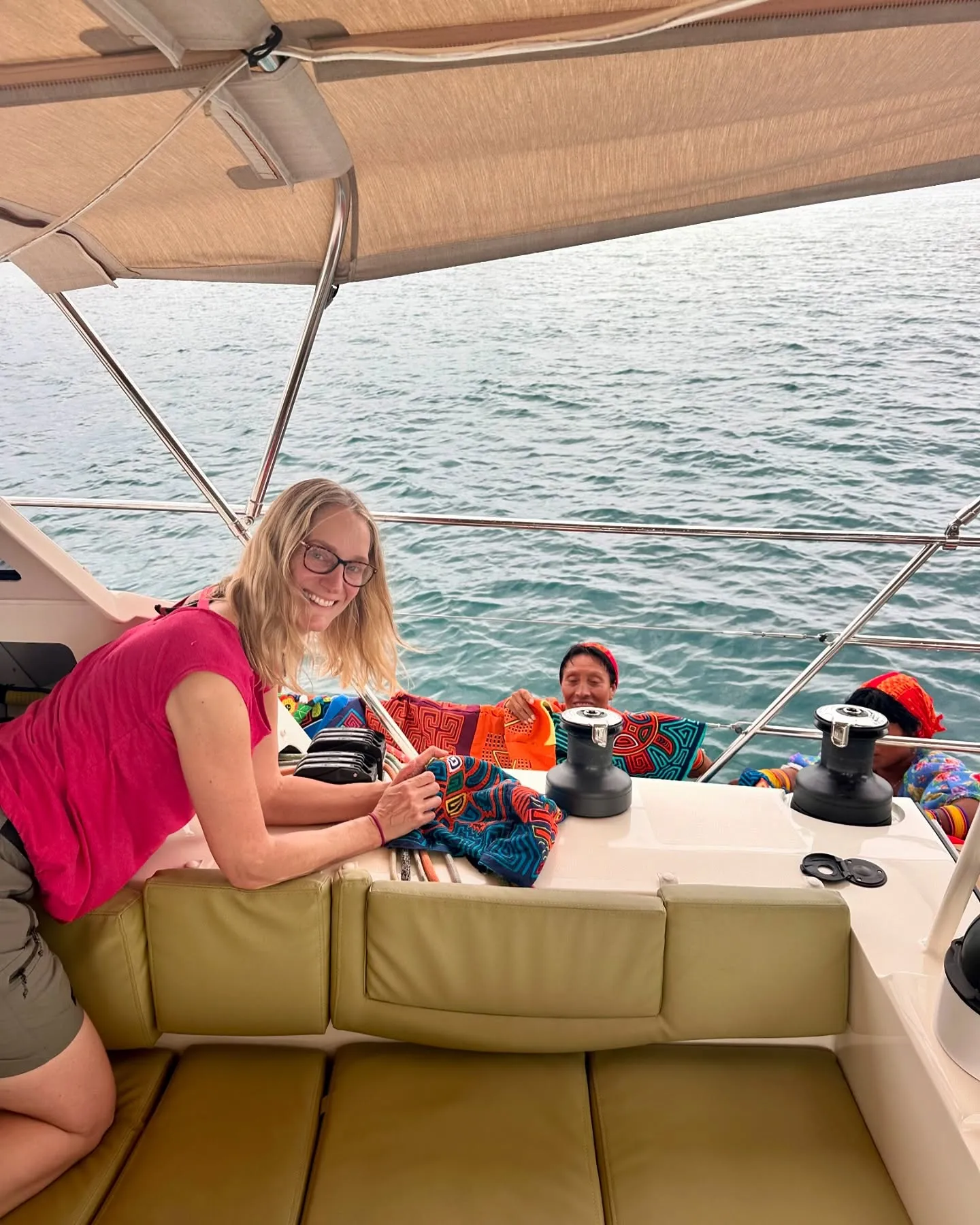
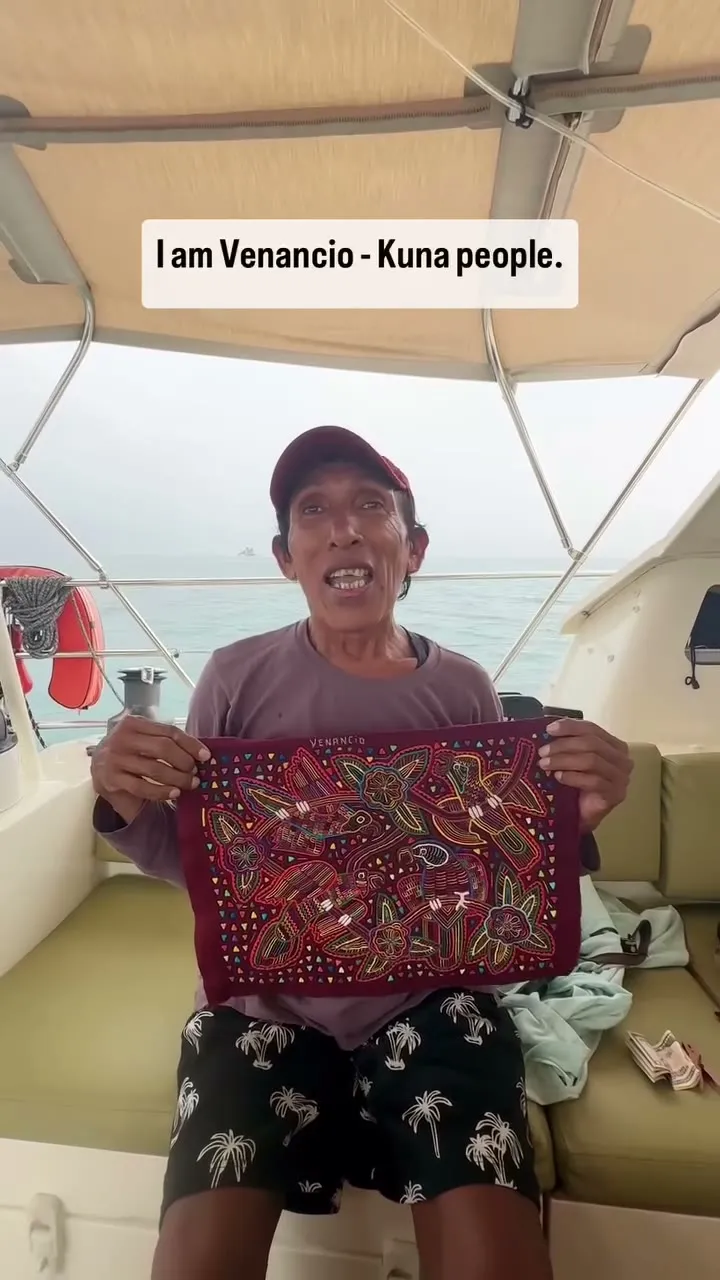
We were lucky enough to see some of the Guna culture up close. Venancio, a master mola-maker, talked us through this appliqué textile tradition, where layers of cloth are cut away to reveal intricate designs.
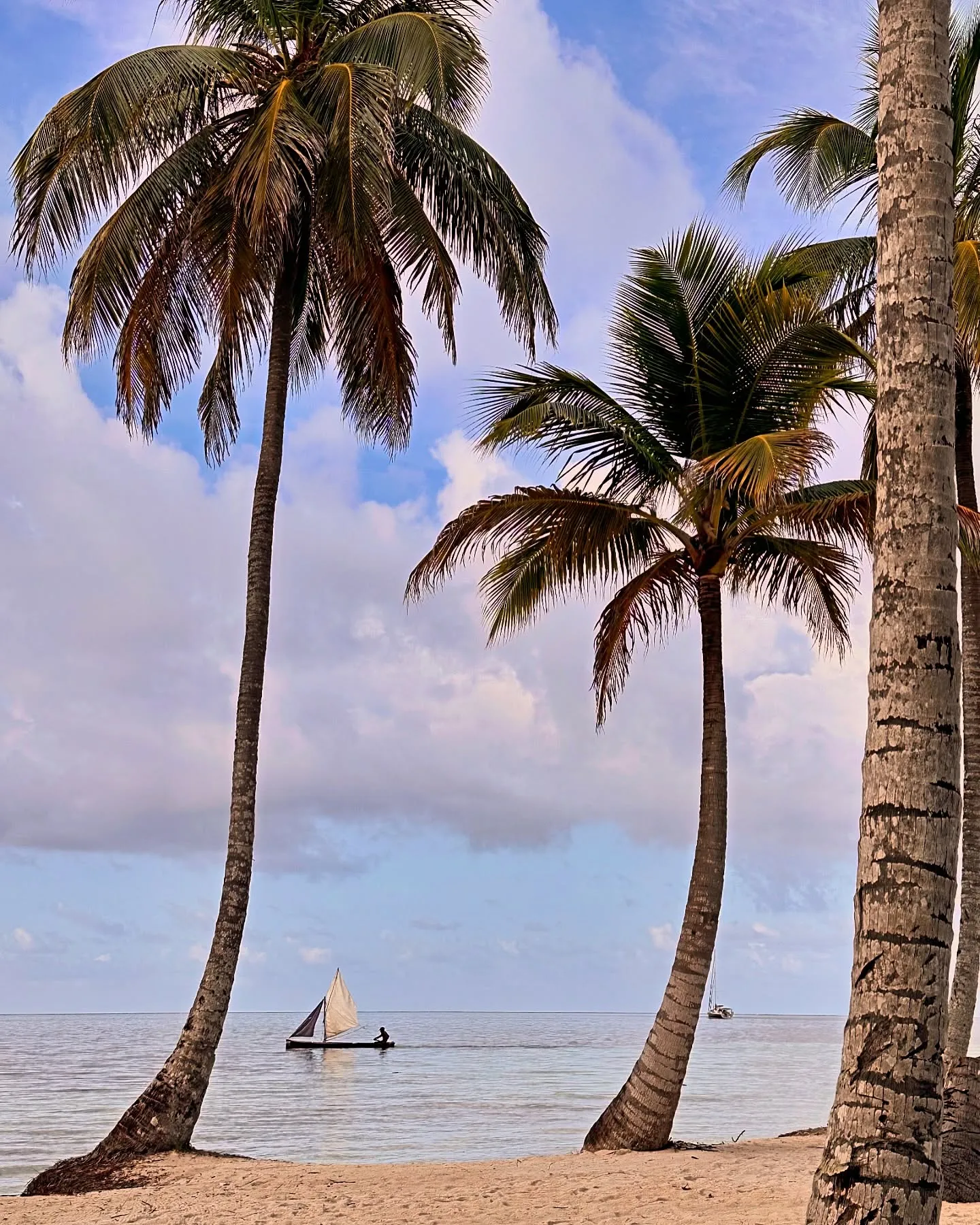
One afternoon, aluminium-hulled Scout met her Guna equivalent: a wind-driven wooden dugout ulu. Ours is 20 tons of French aluminium with Starlink; theirs is a hollowed-out tree with a sail.
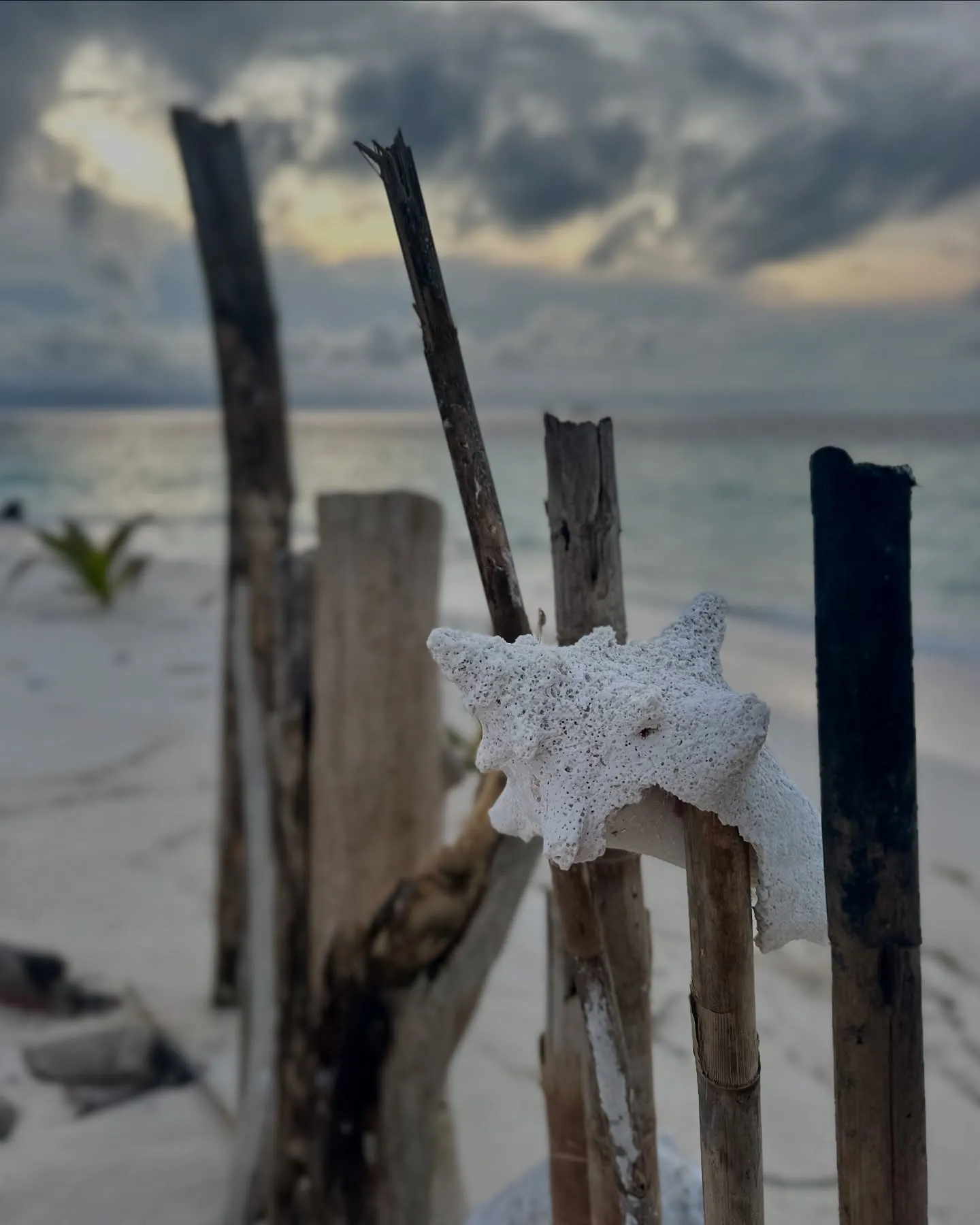
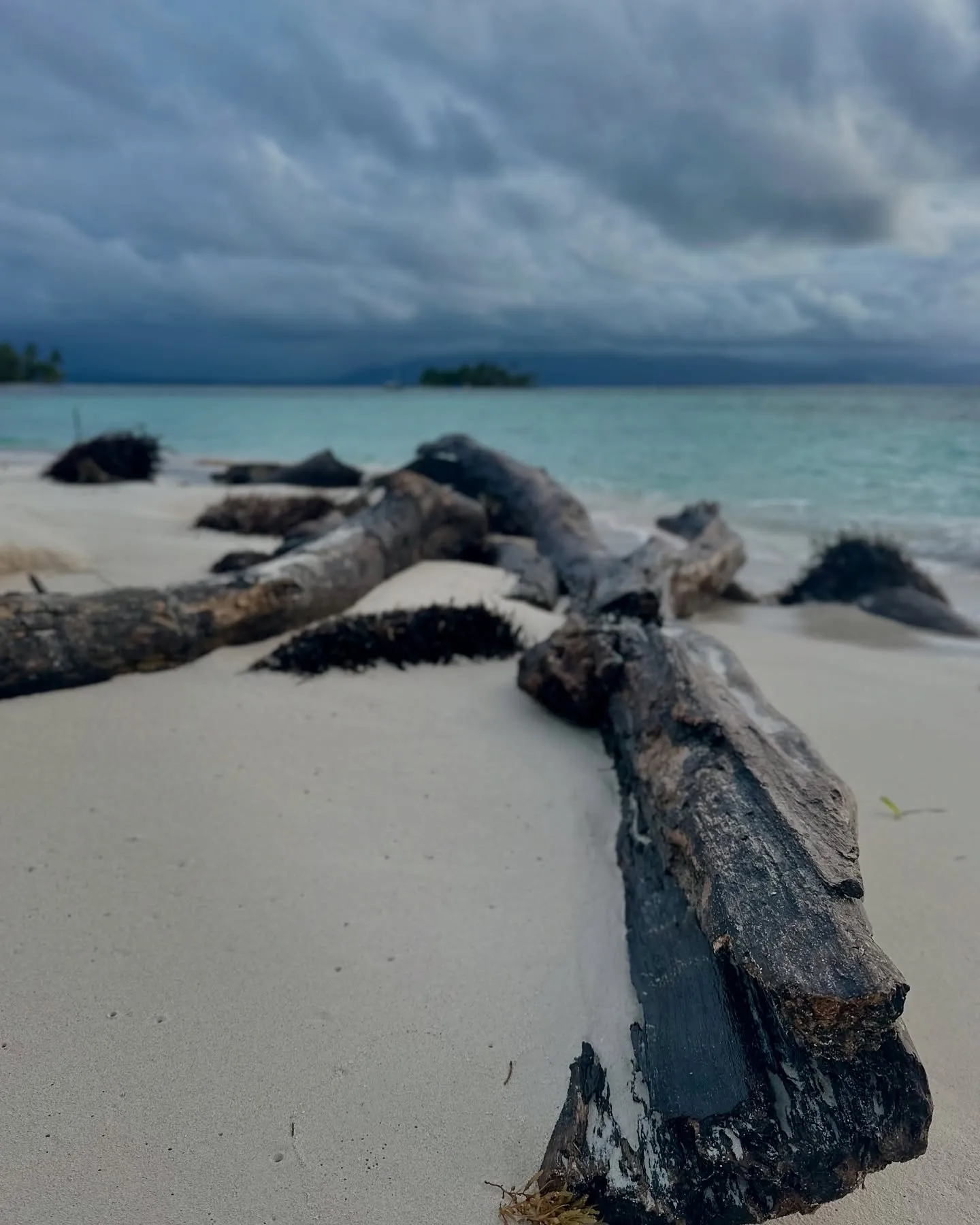
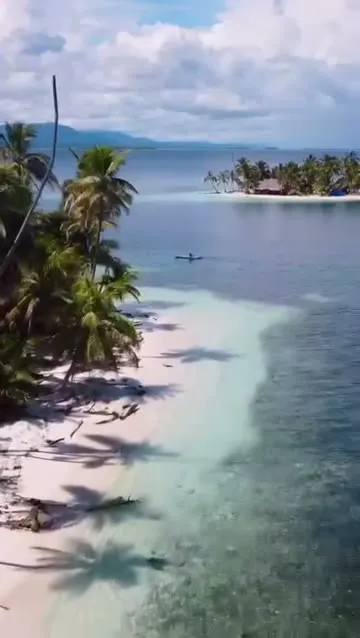
We slowly moved east through the islands, with a moody sunset in a secluded, windswept bay at Coco Bandero, a Halloween fishing trip out to the reef, and a drone and kayak tour of the anchorage on a flat sunny day.
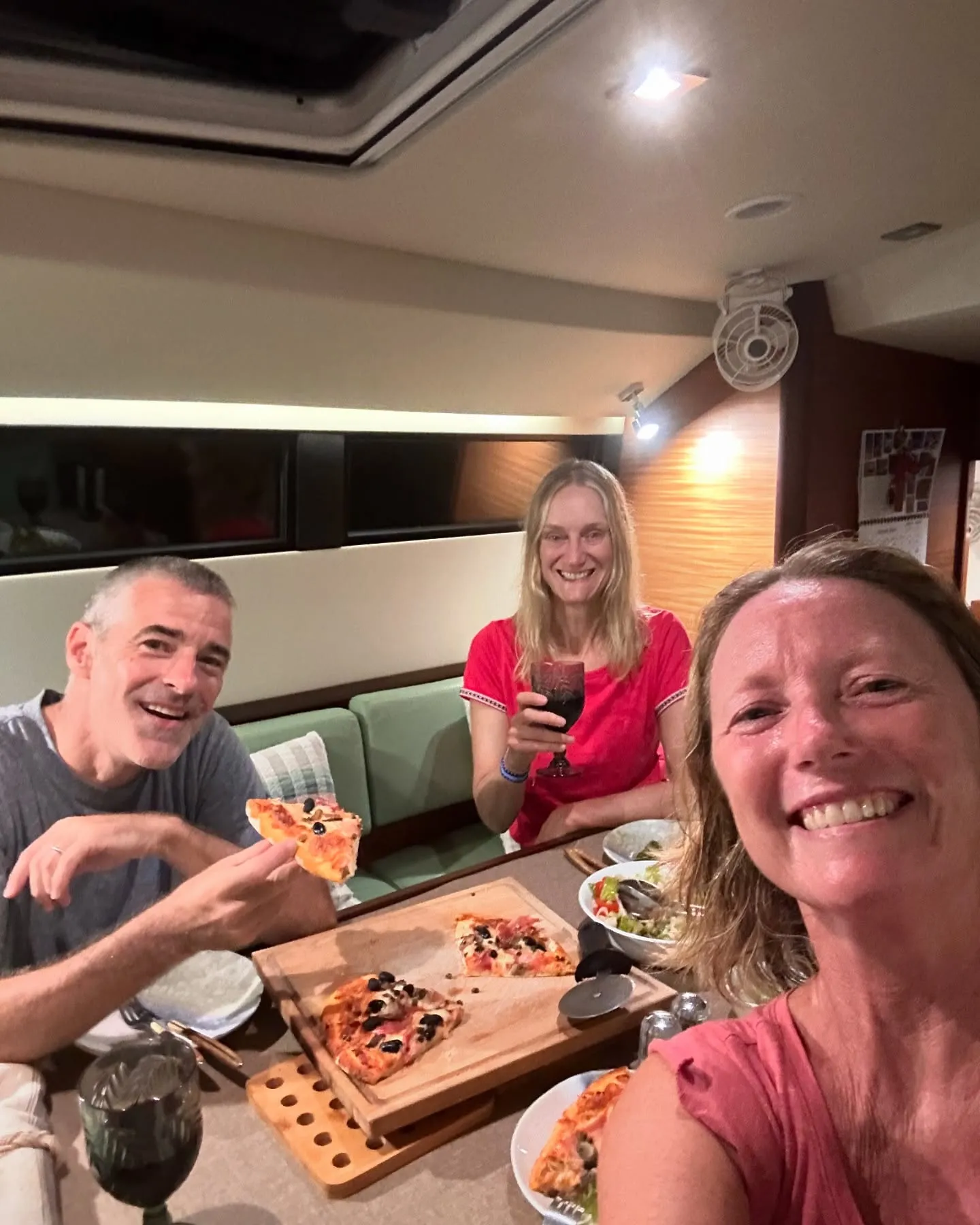
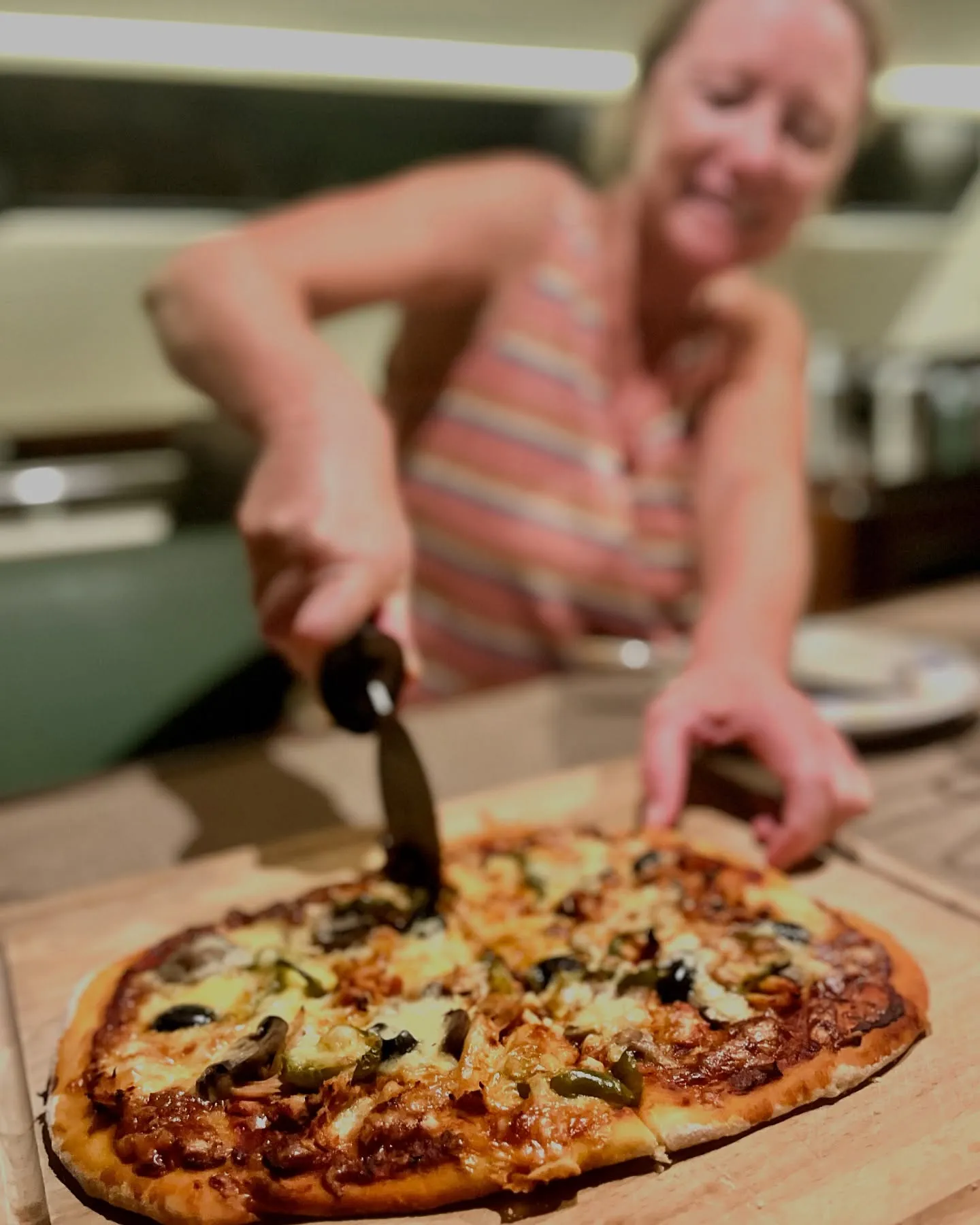
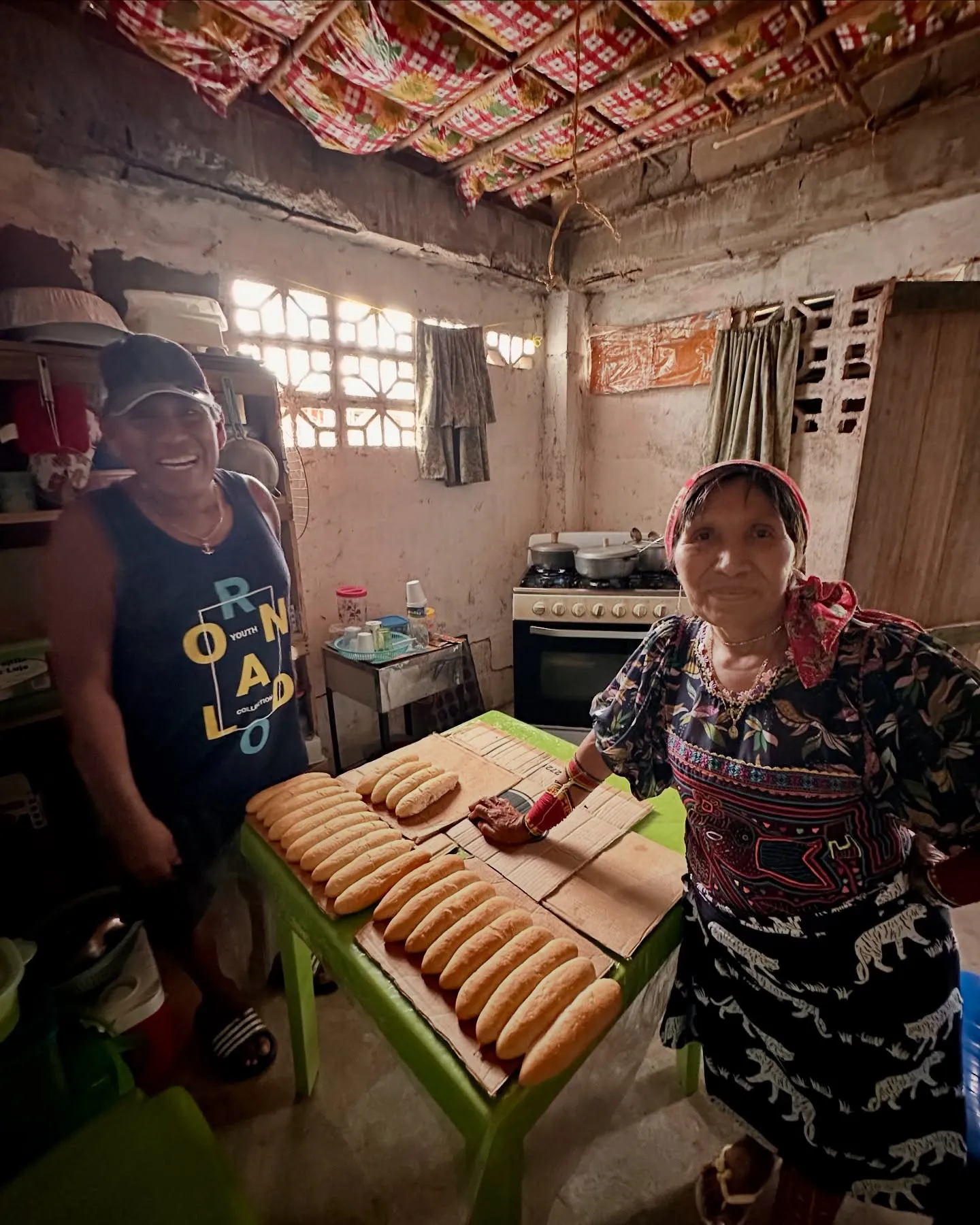
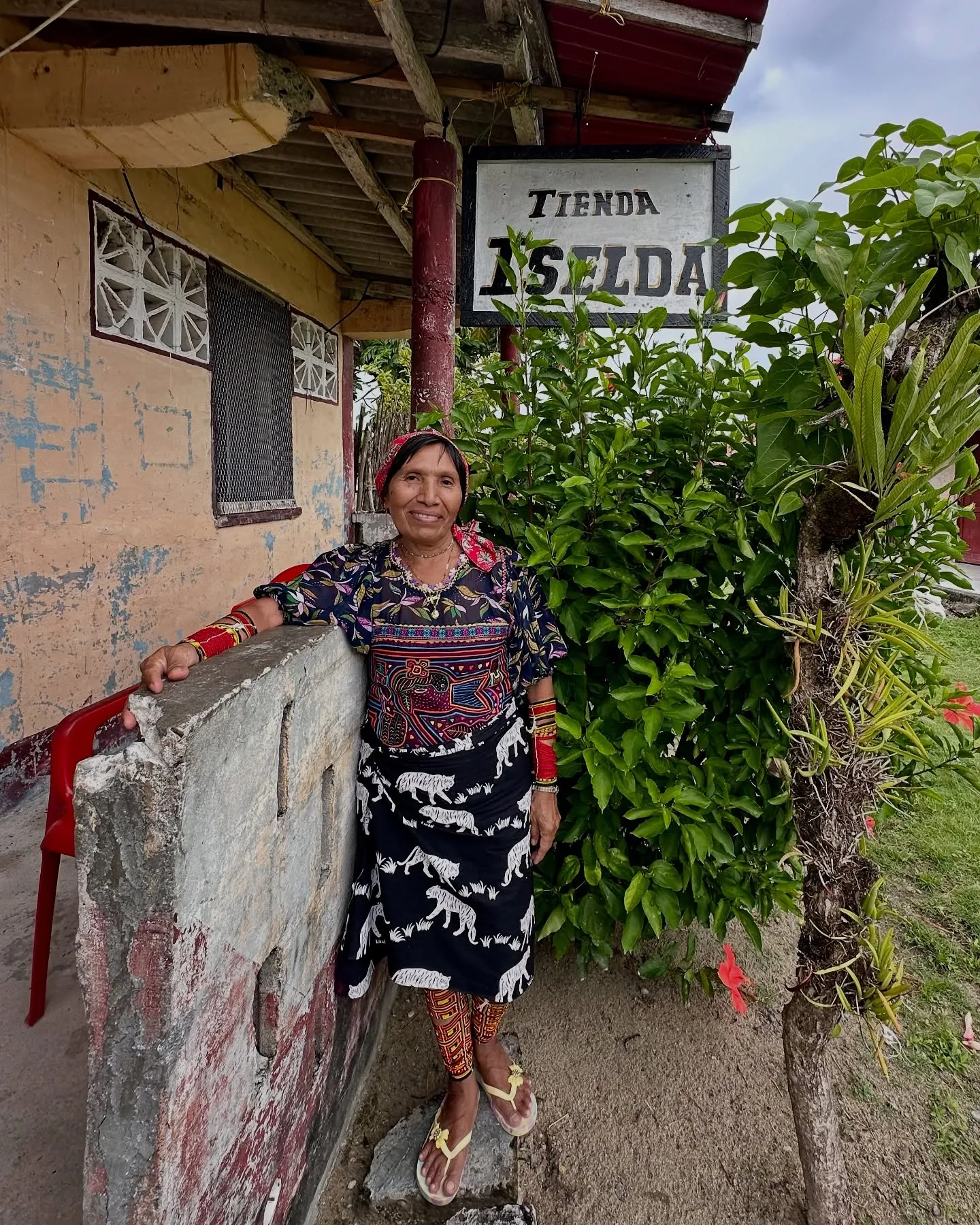
And then there was the food. Friday night in the middle of nowhere is still homemade pizza and movie night. And on Niadup, the local baker Iselda invited us into her kitchen to watch her make traditional Guna bread. If you’re ever on Niadup, buy some!
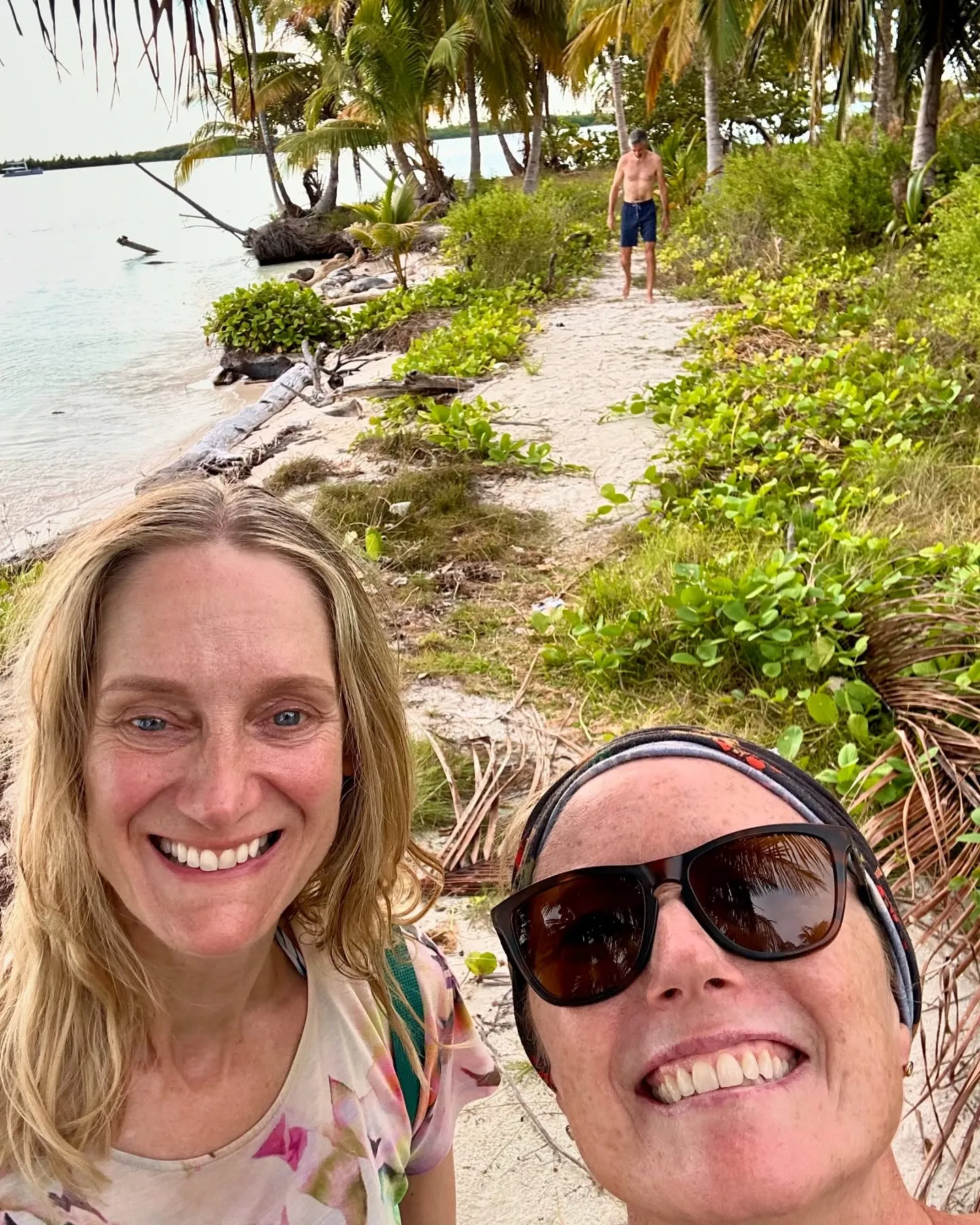
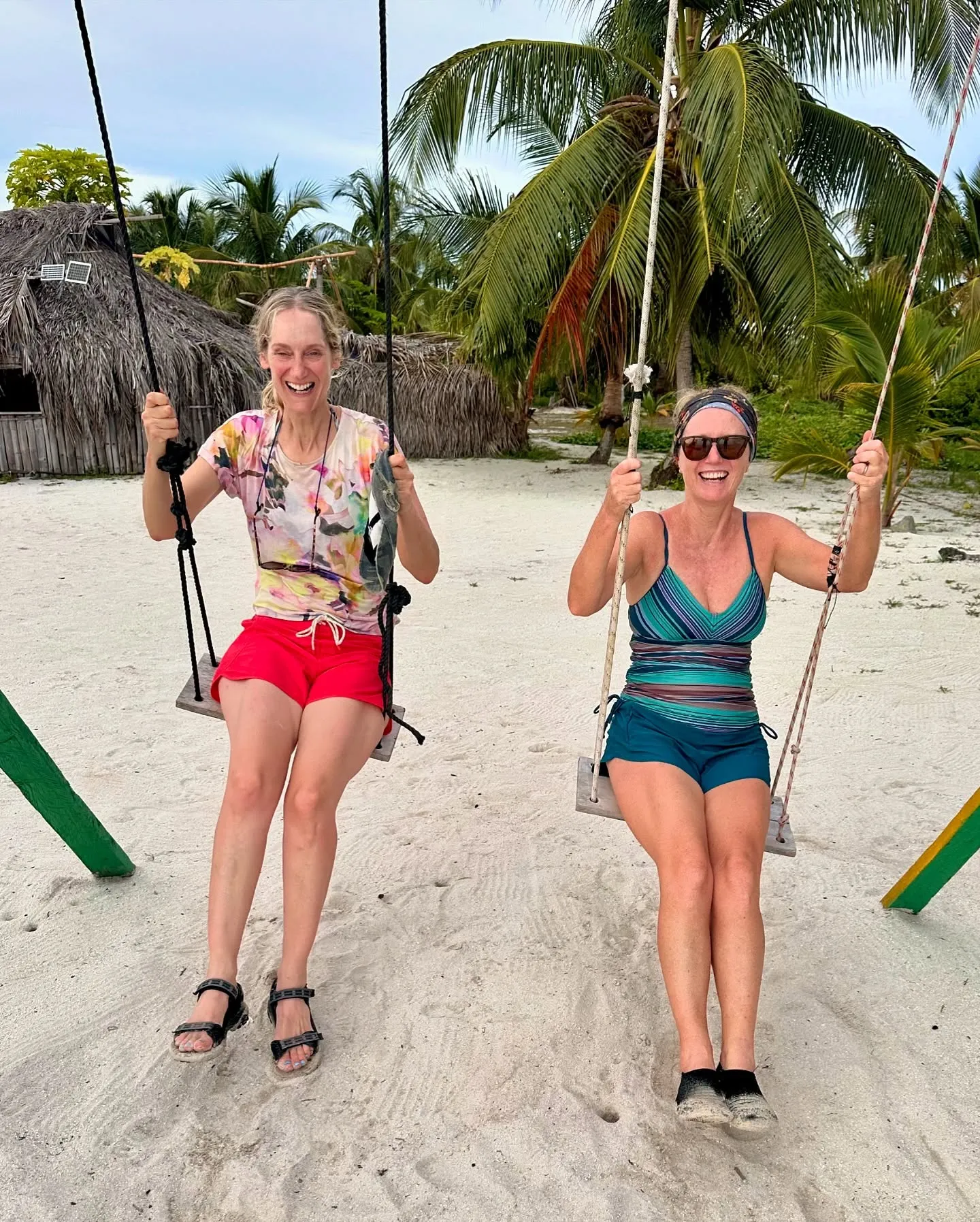
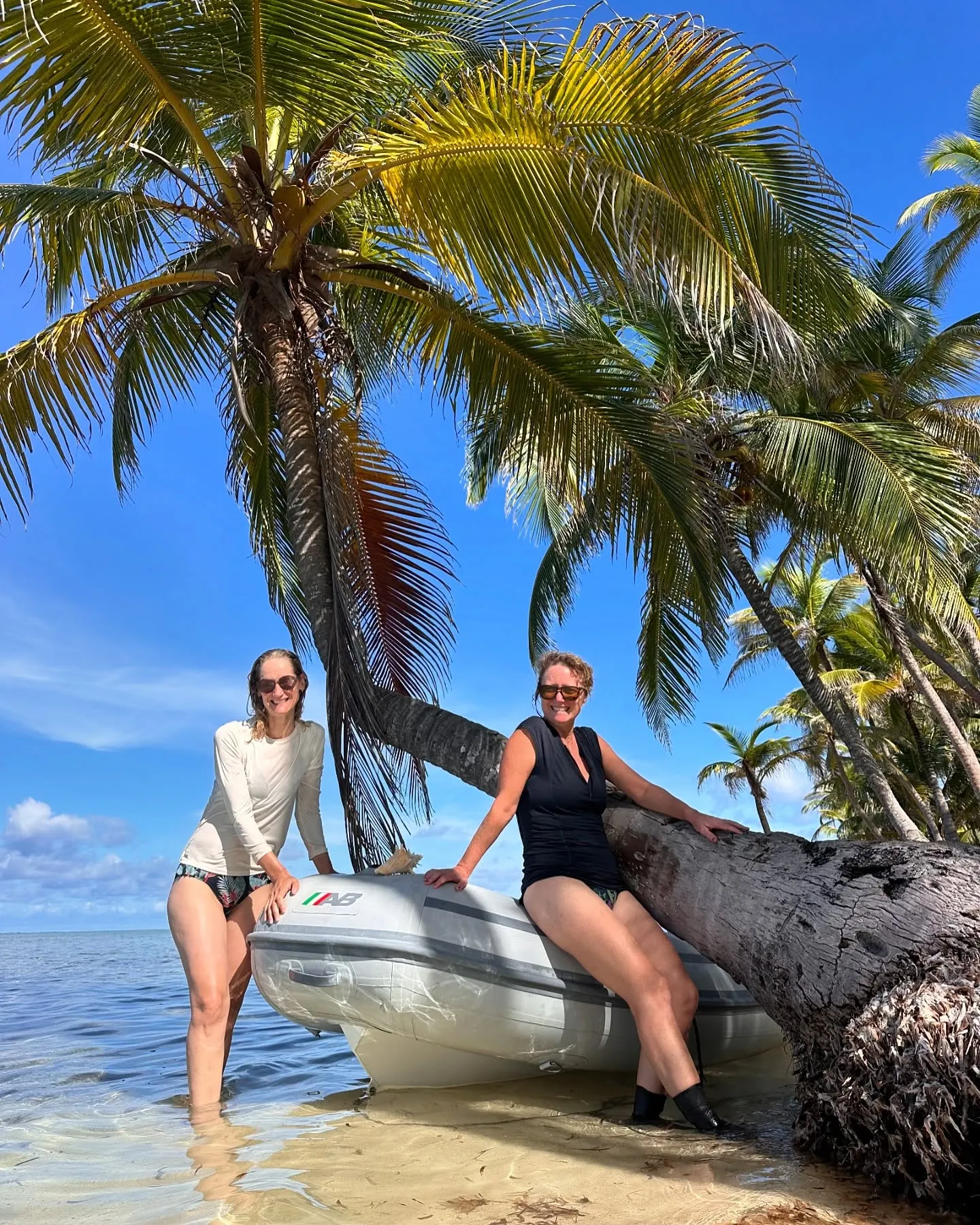
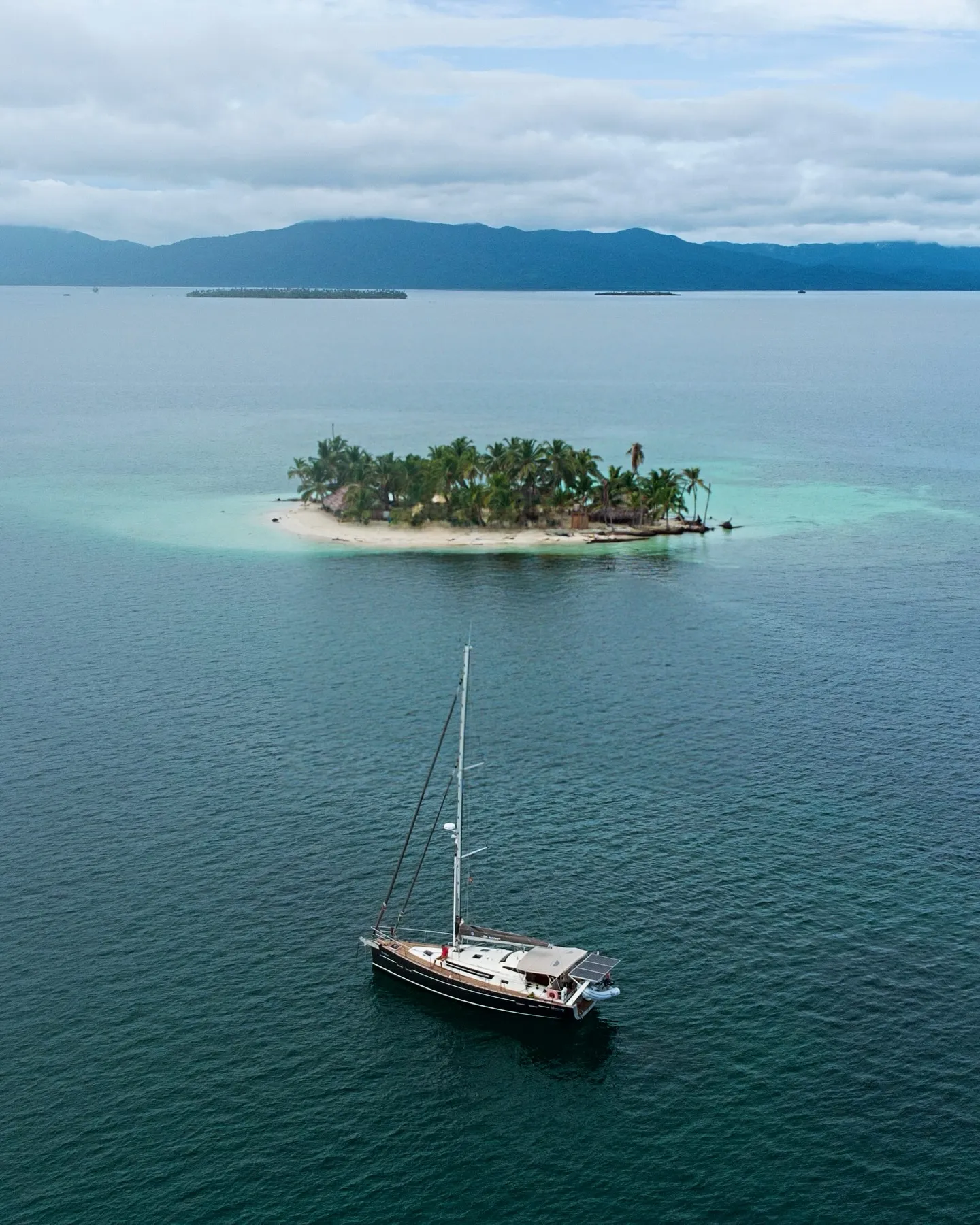
What we loved most about Guna Yala was the solitude. There are anchorages here where you are completely alone: no town, no lights, and no other boats, just the reef and the rainforest.
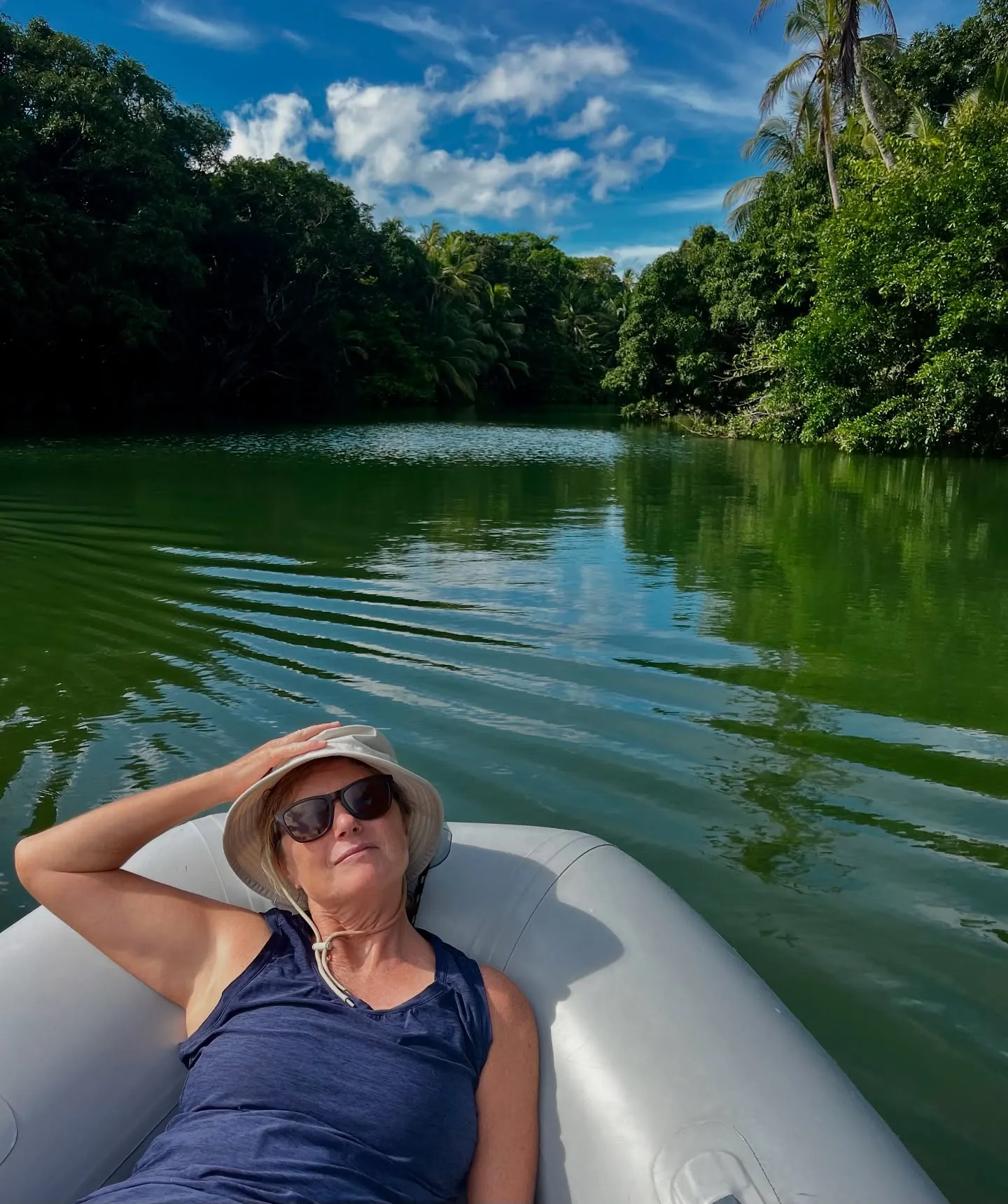
One lazy afternoon we drifted down the Río Diablo by dinghy, with the rainforest closing in overhead. It just needed some Pimms.
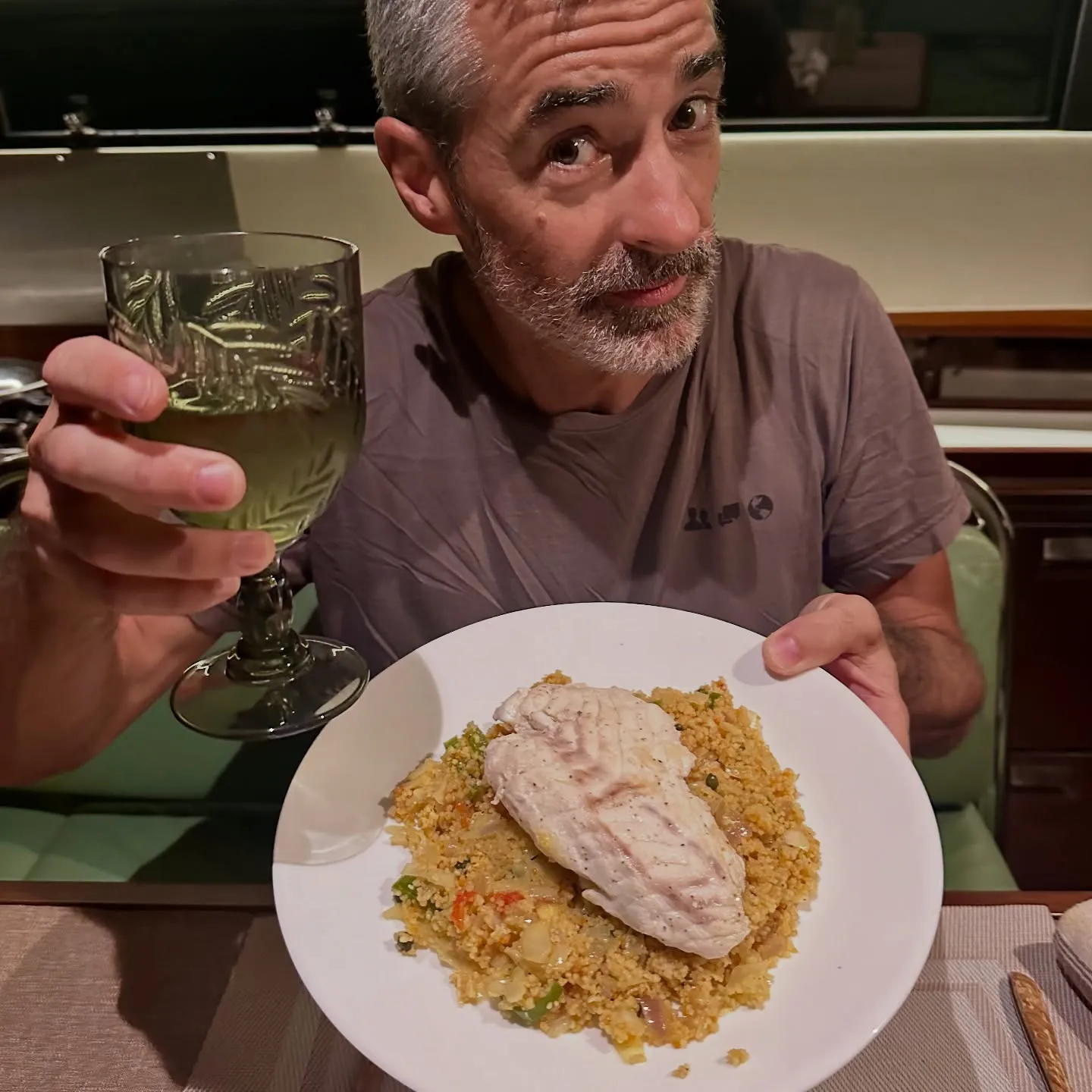
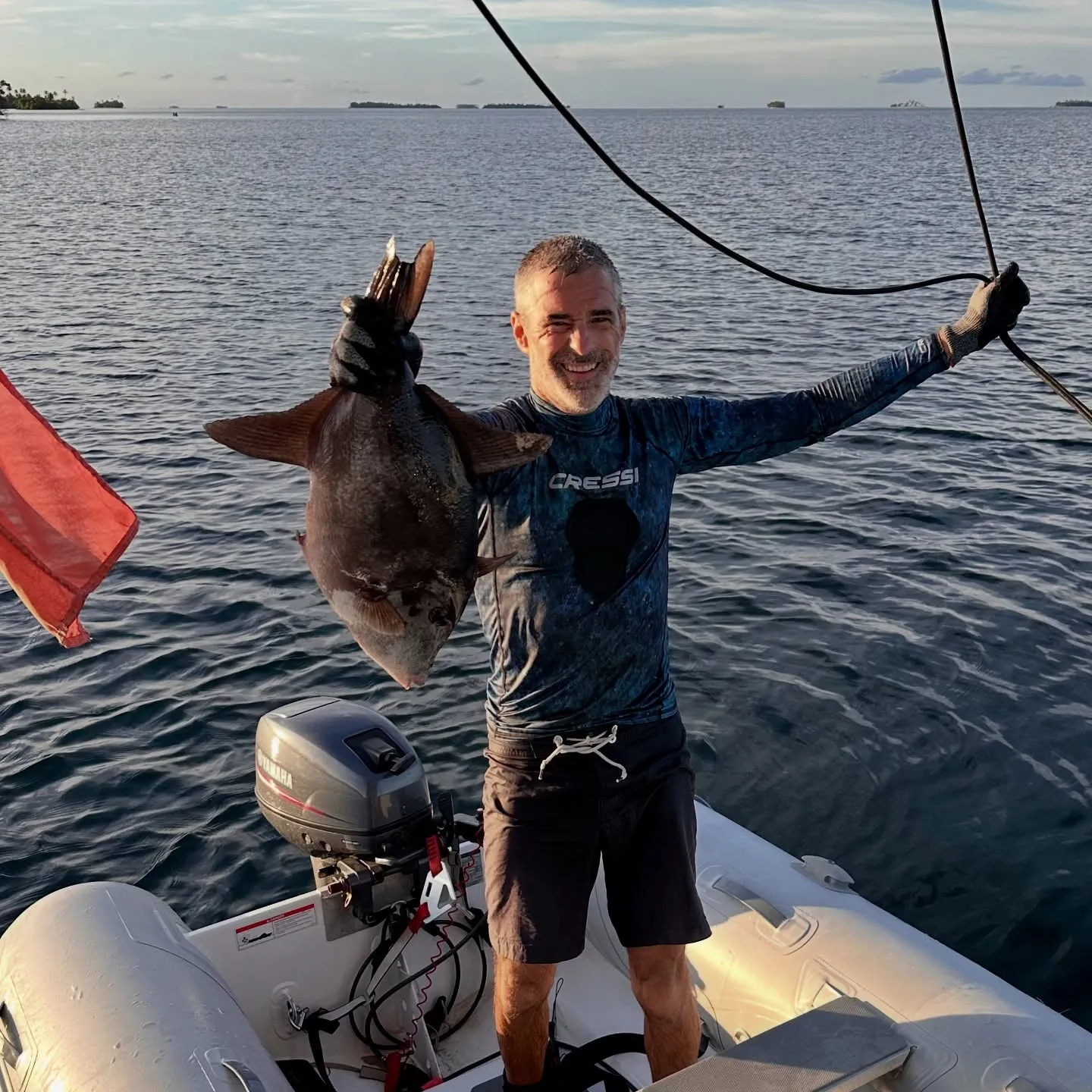
The sea provided for us as well, such as this triggerfish (shown after and before).
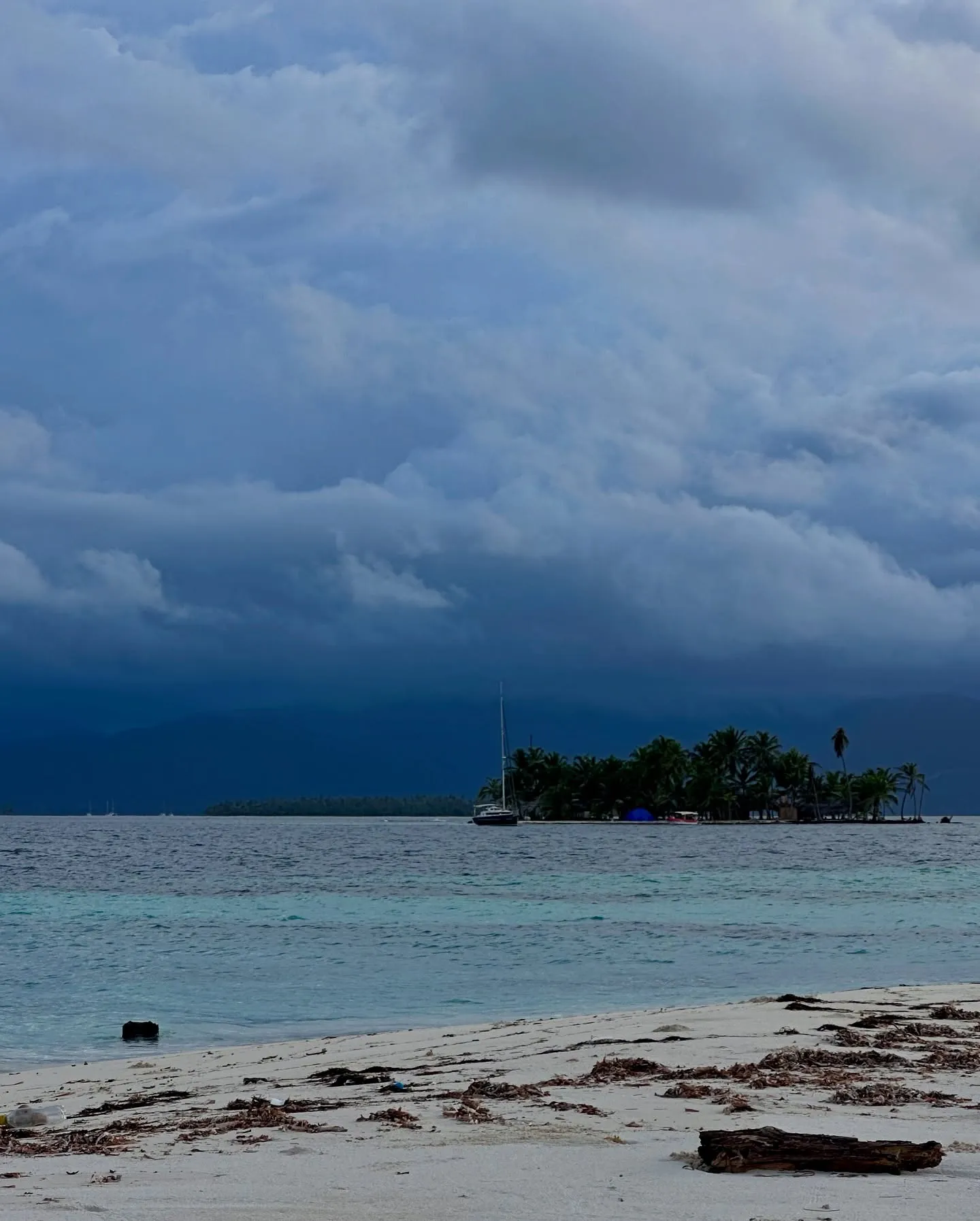
We also got an ongoing education in San Blas squall season. The local rule, as we learned it: you’ve either just come through a squall, are in a squall, or will shortly be going through a squall. They’re dramatic, but mostly harmless.
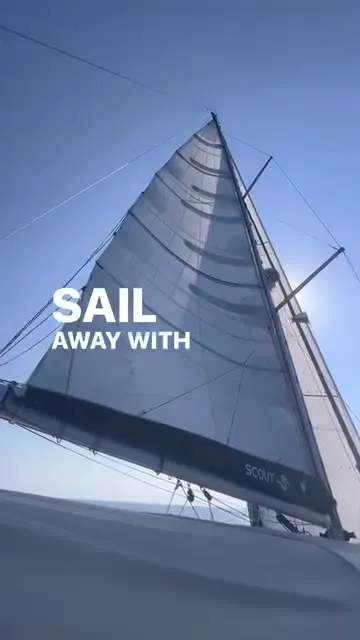
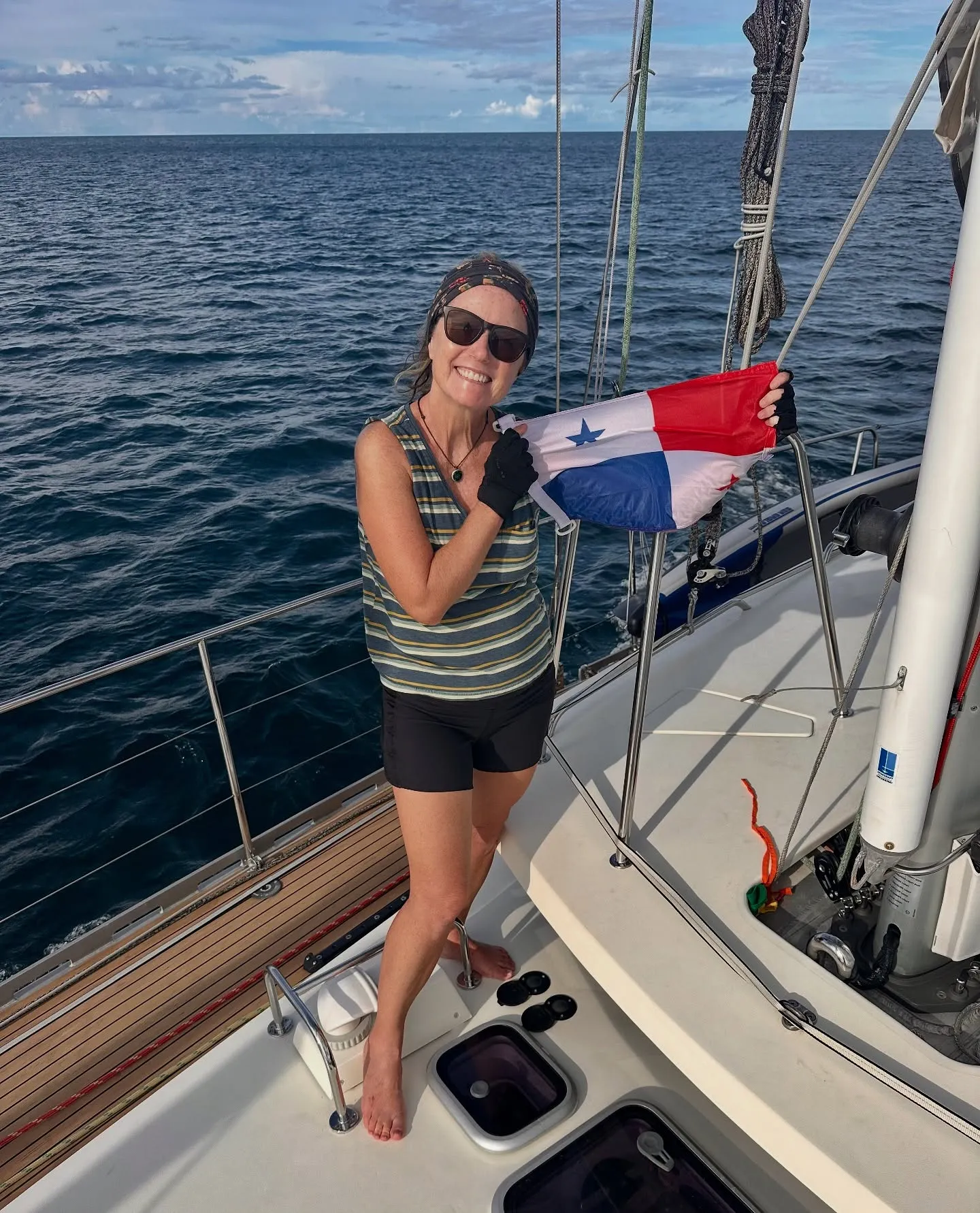
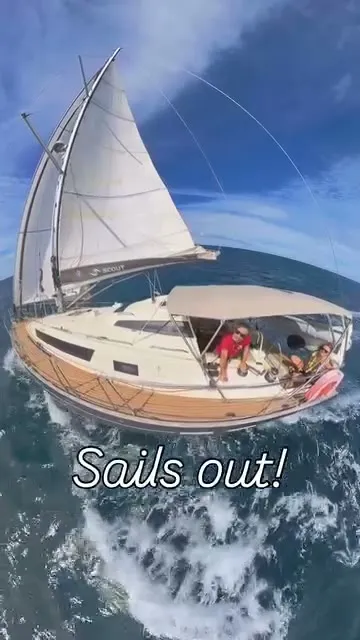
All too soon it was time to go. We took down the Guna Yala flag and raised the flag of Panama, ready for the next chapter. I also recorded our first Insta360 video on the way out, and I must apologise: the mainsail is luffing because the solent cars weren’t in the right place.
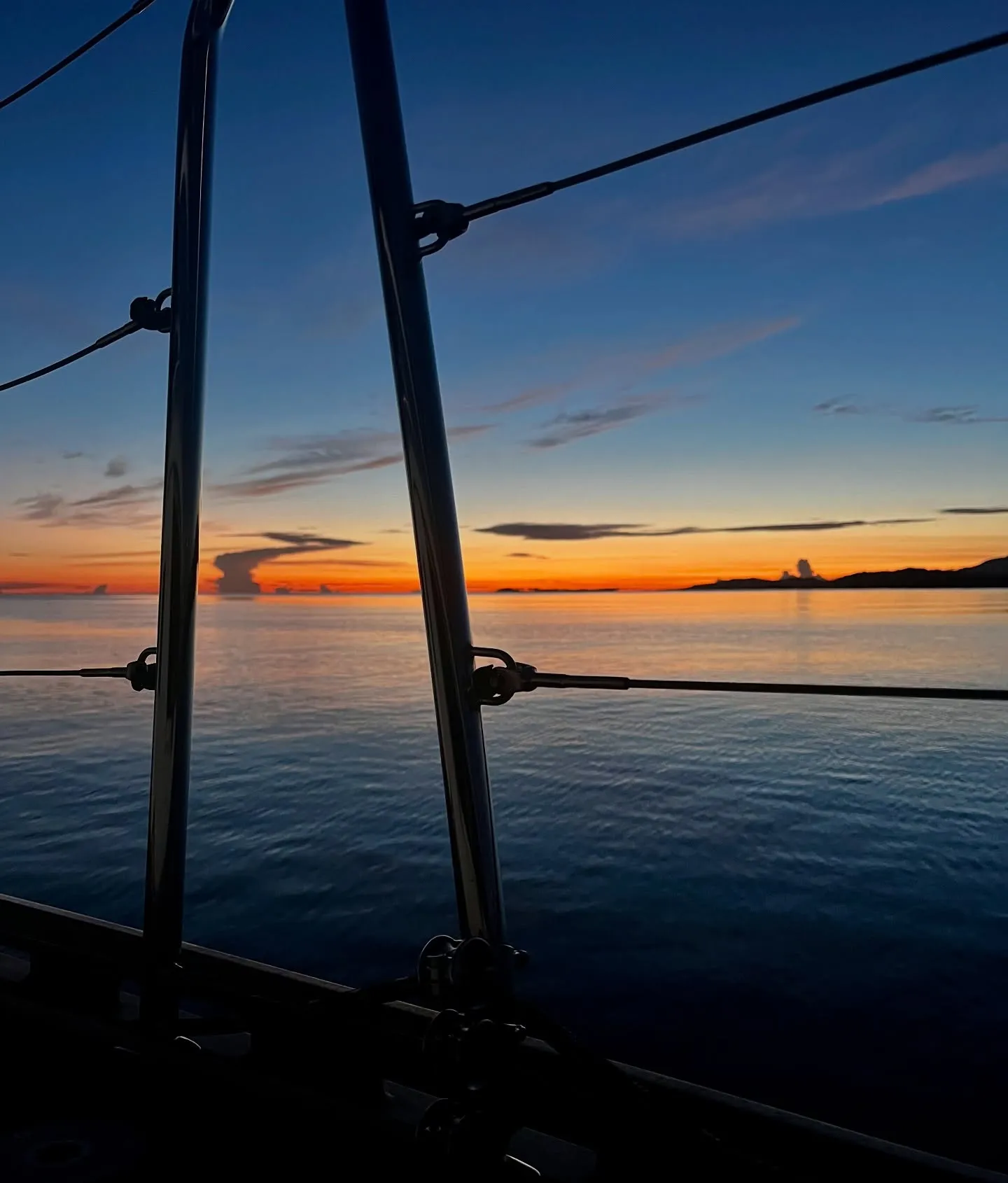
Our last San Blas sunrise was calm and golden, with the islands low on the horizon and the water like glass. Next stop: Bocas del Toro, and then the Panama Canal!
Read the previous post: A Hurricane Season in Cartagena
Read the next post: Bocas del Toro