Sailing East to Cartagena
In early May we said our farewells to San Pedro, Belize, and pointed Scout’s bow into light headwinds, with no firm idea of where we’d end up. We’d let the wind sort out the details.
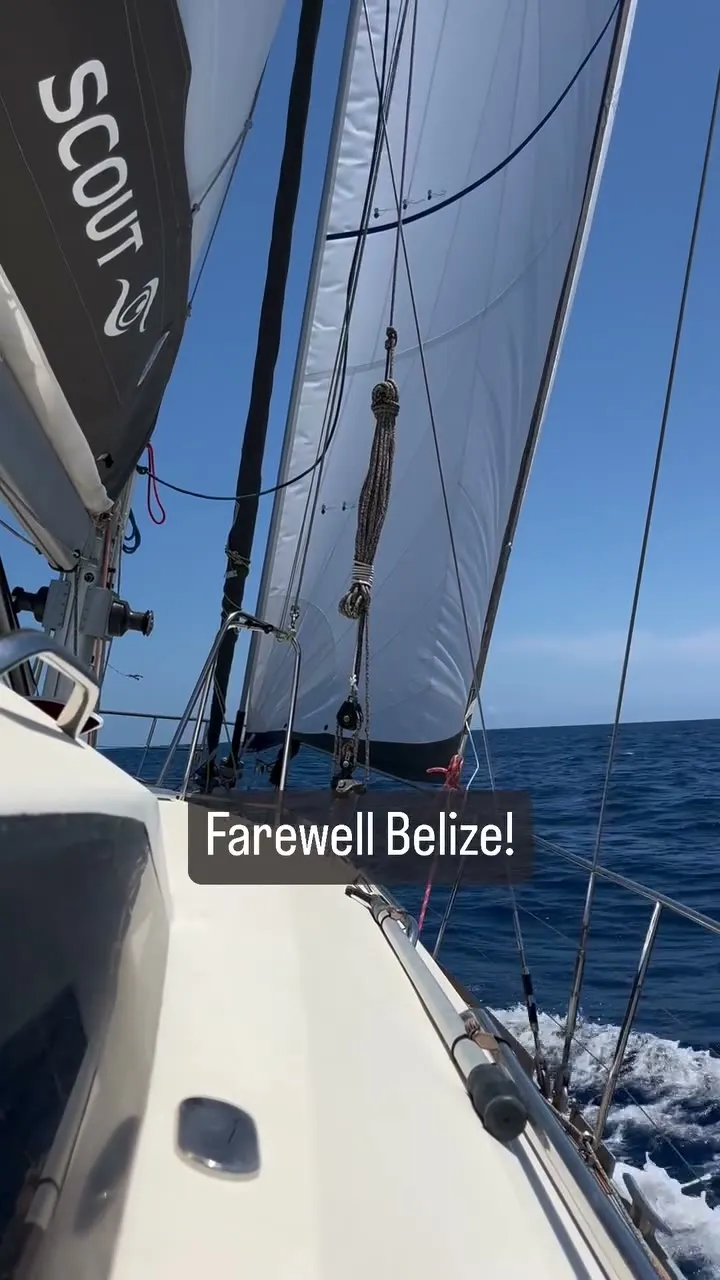
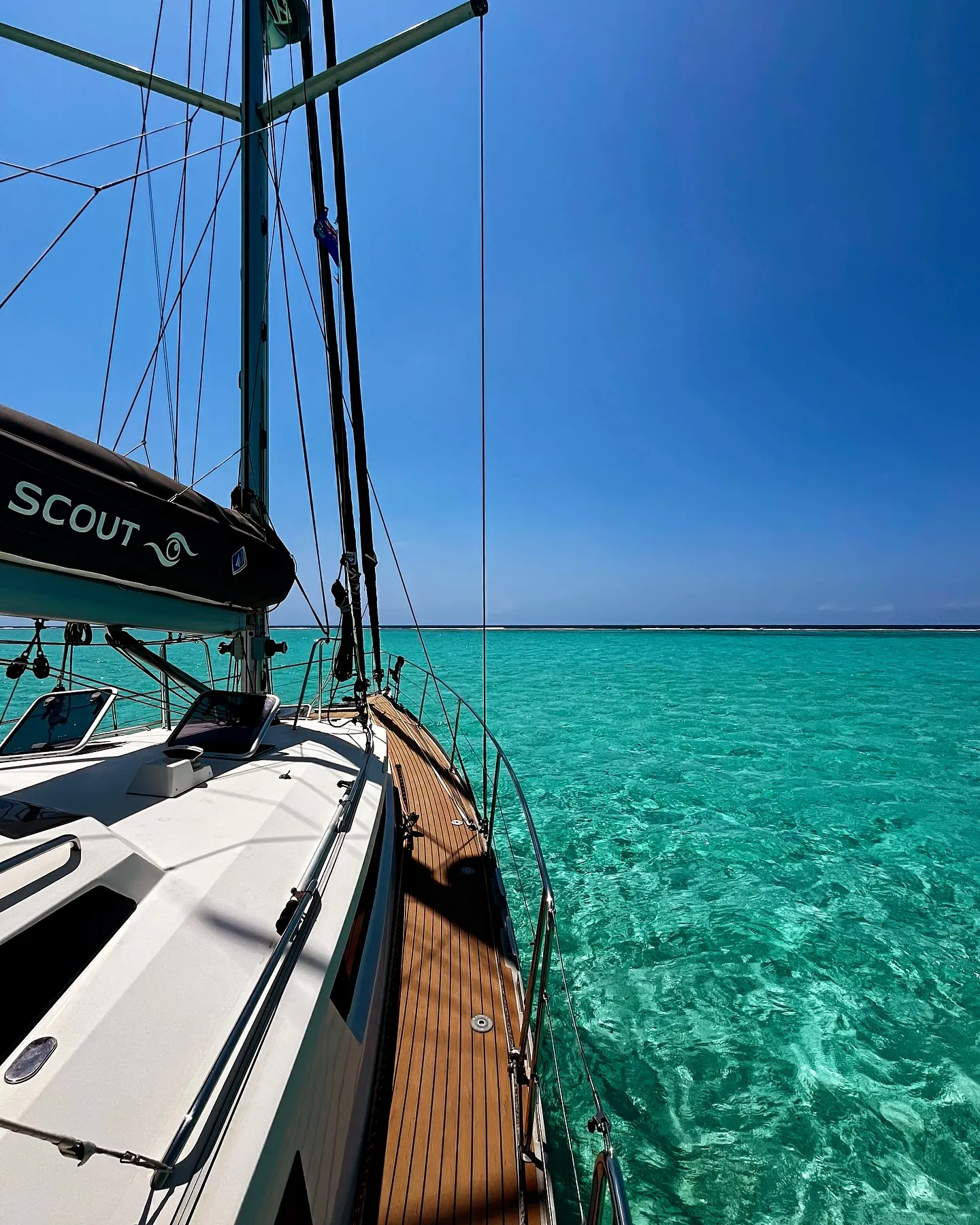
We had our sights set on the Cayman Islands again. Though we needed a small detour. While beating out of Belize and waiting for favourable winds, we ducked into Lighthouse Reef, and accidentally found paradise. With Scout’s shallow draft, we could slip in over the coral heads that keep most other boats out. We’d only meant to stop for a day.
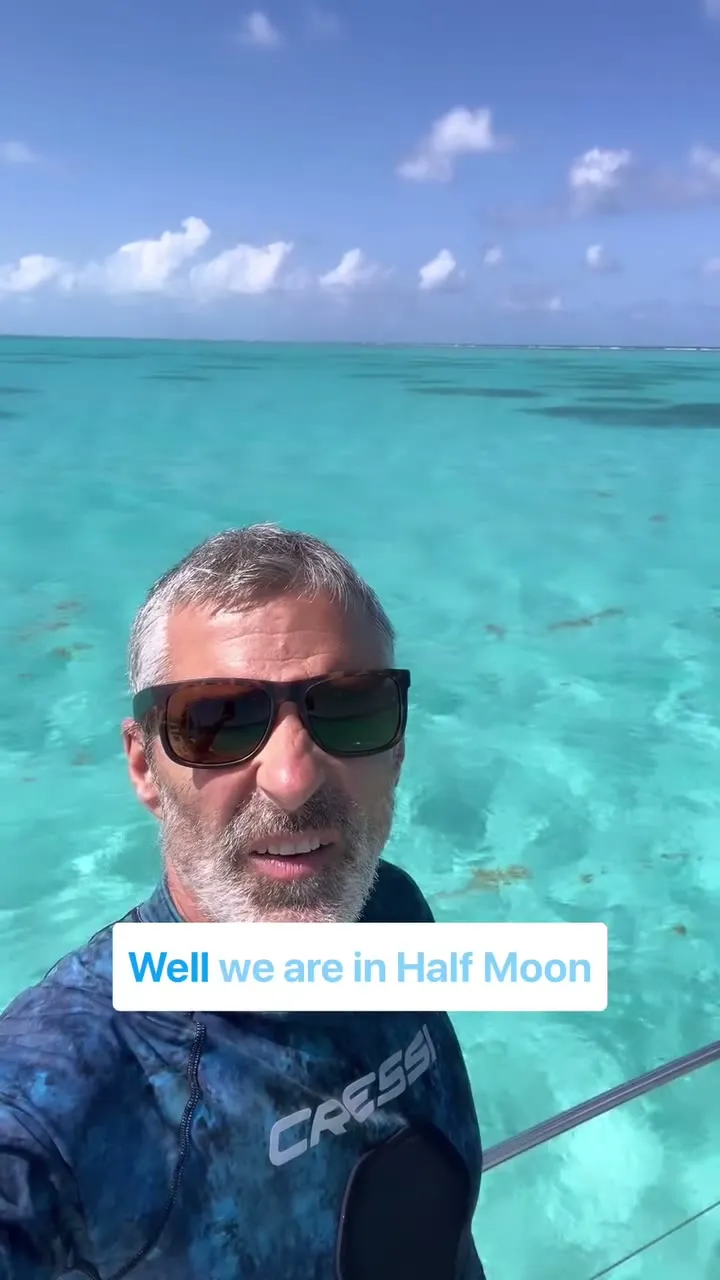
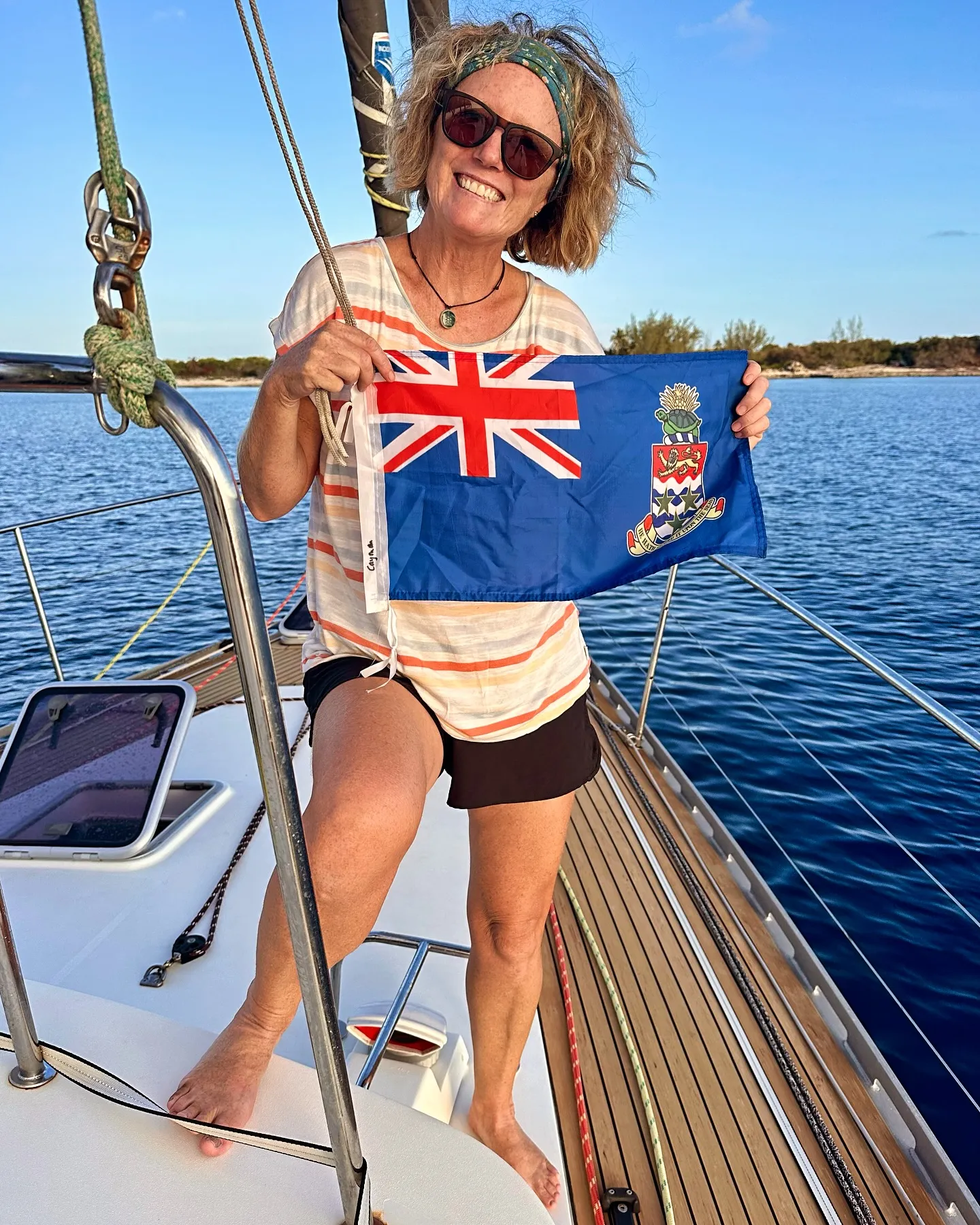
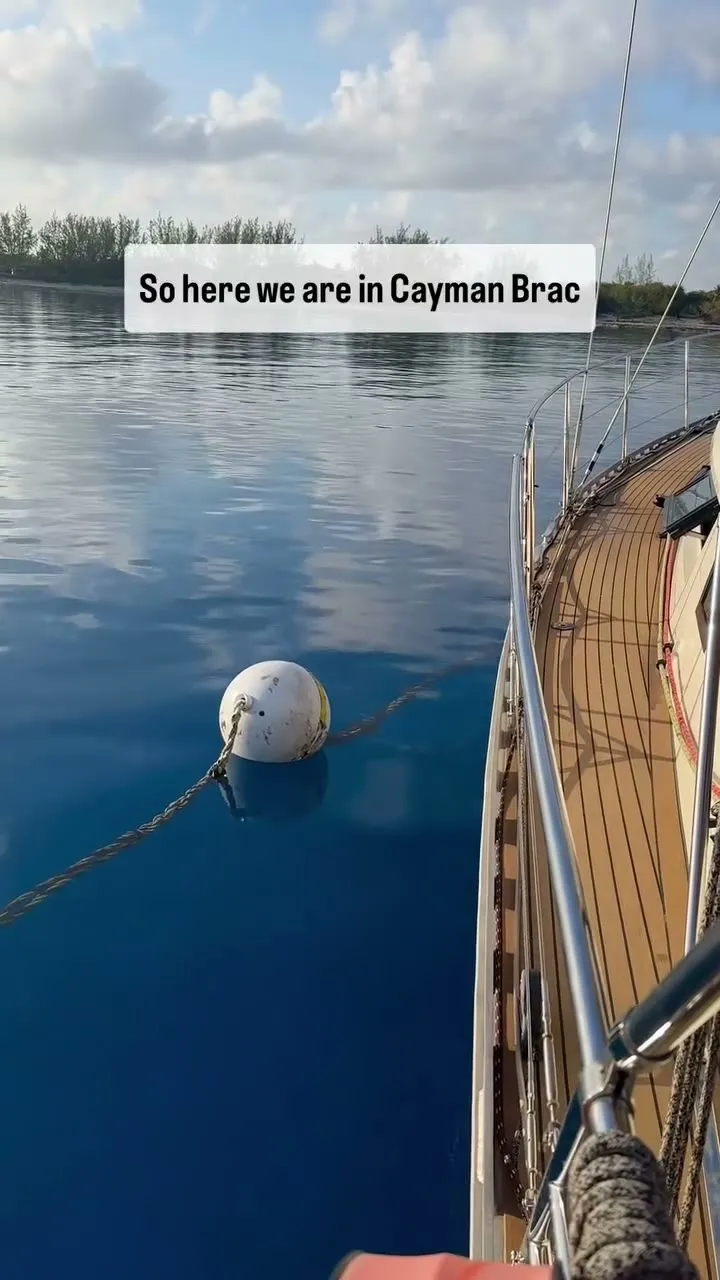
After a while, the winds gave us enough opportunity to tack back east(-ish) to the Cayman Islands. This time it was Cayman Brac: the quiet one, the far one, and the wonderfully charming one. We were in no hurry to be anywhere else.
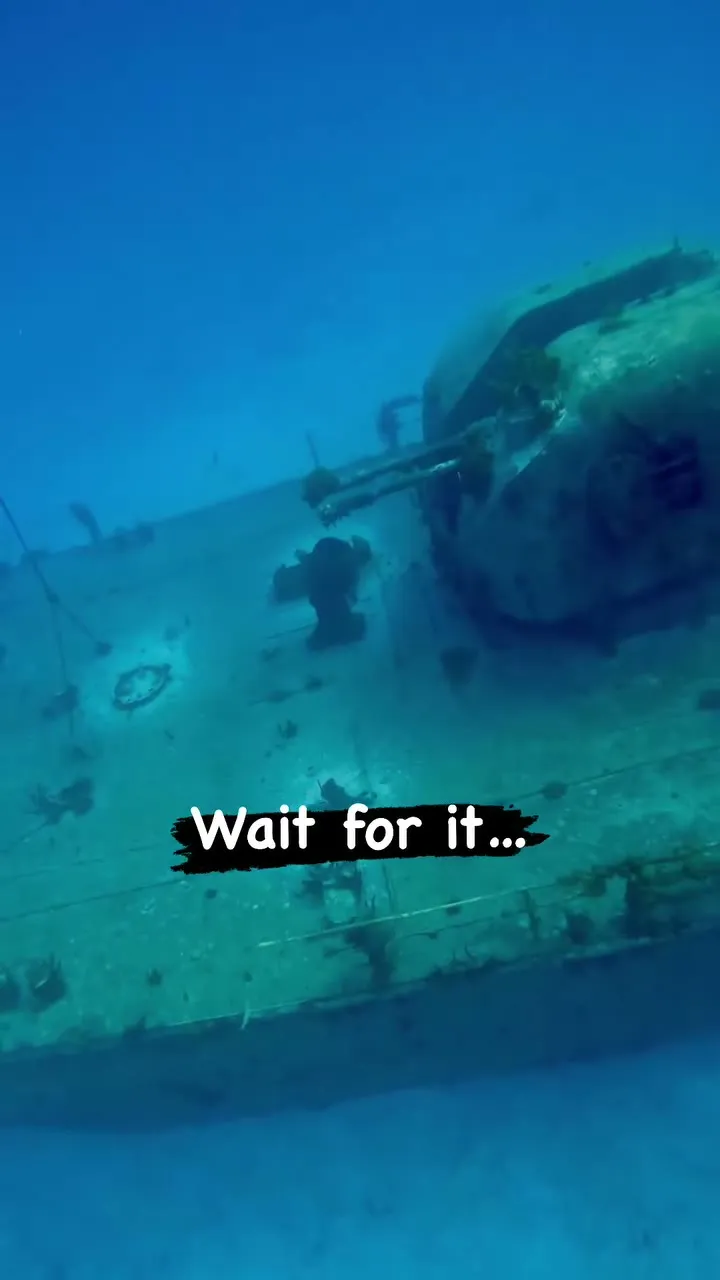
So what was lurking beneath Scout? A wrecked Russian warship: the Captain Keith Tibbetts, a Soviet-built frigate that was deliberately sunk as a dive site. We spent a happy afternoon freediving around her.
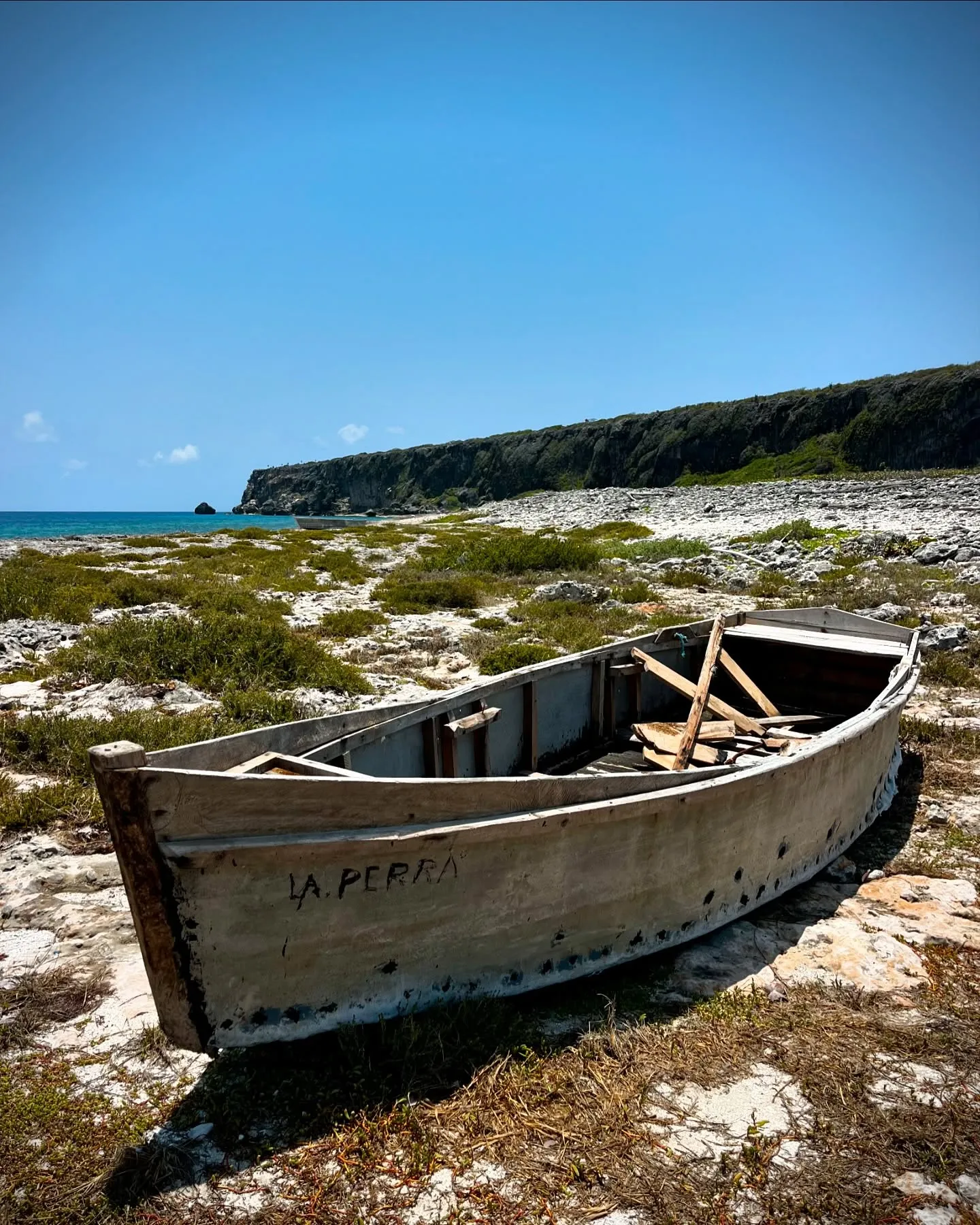
These ‘Sister Islands’ aren’t all postcards, though. On the remotest shore of the Caymans we found rickety hand-built boats, little better than rafts, washed up and abandoned. Their occupants had tried, unsuccessfully, to escape Cuba or Haiti for a better life. It was a sobering find.
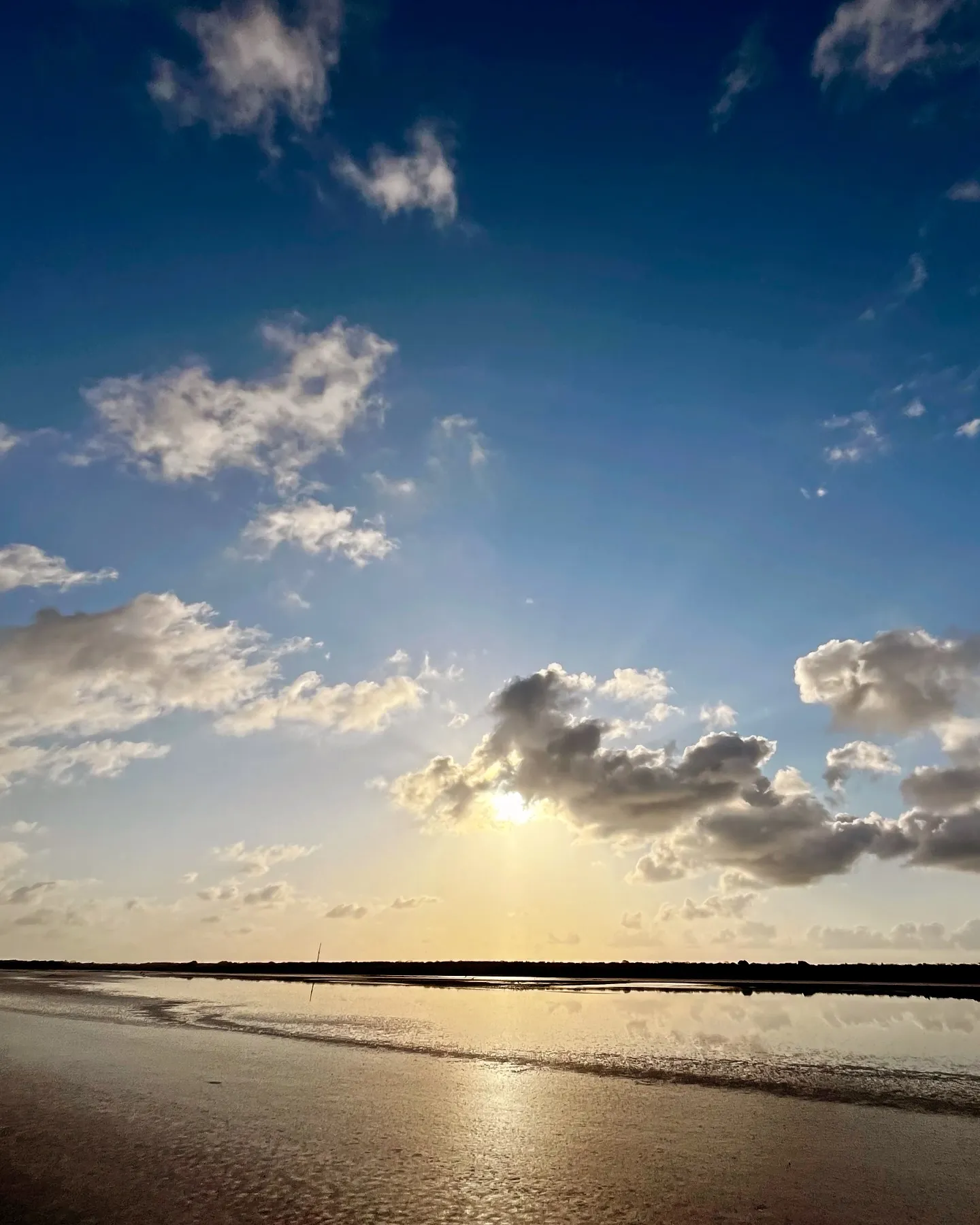
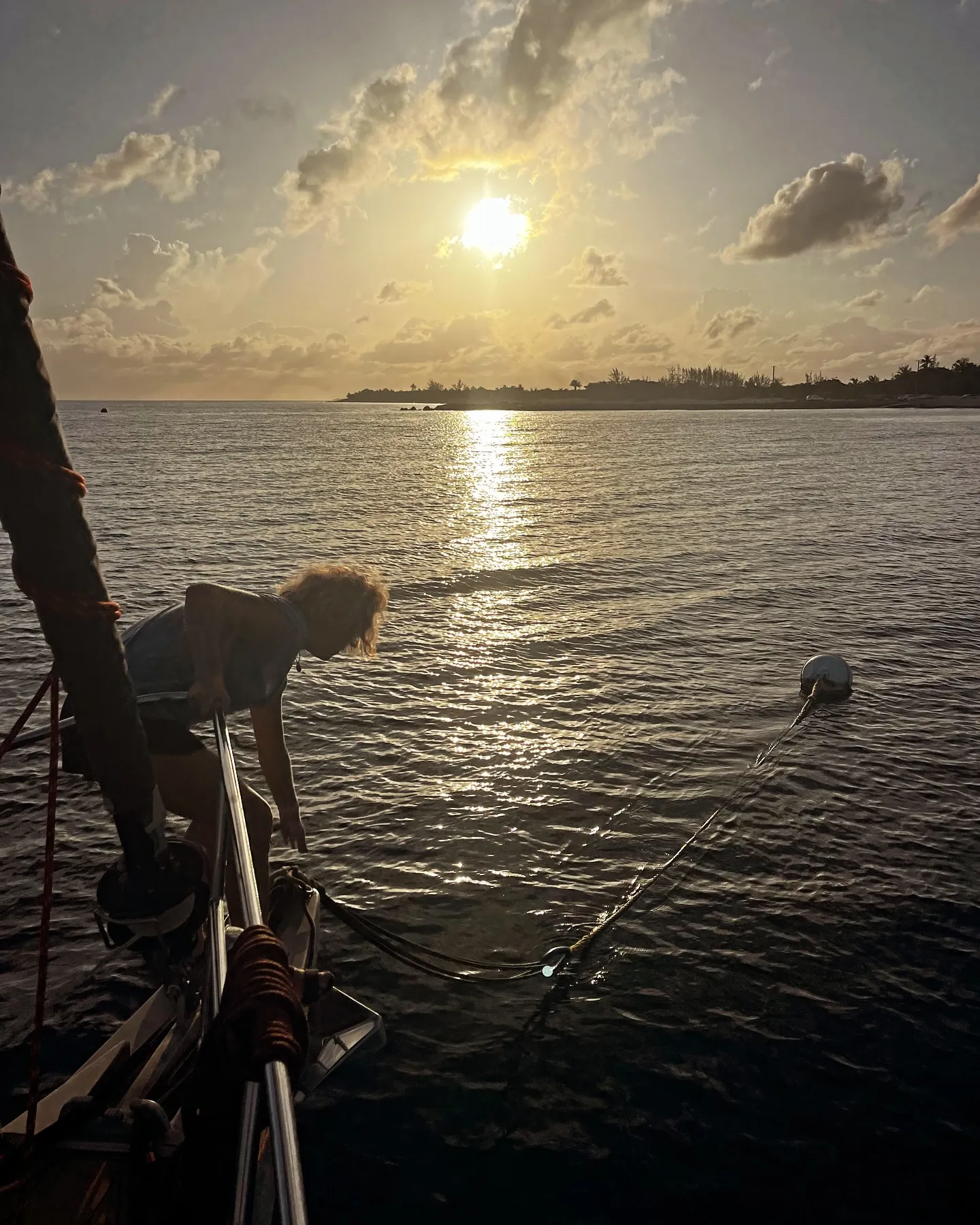
Little Cayman gave us a whole lagoon to ourselves, and a sunset over Booby Pond.
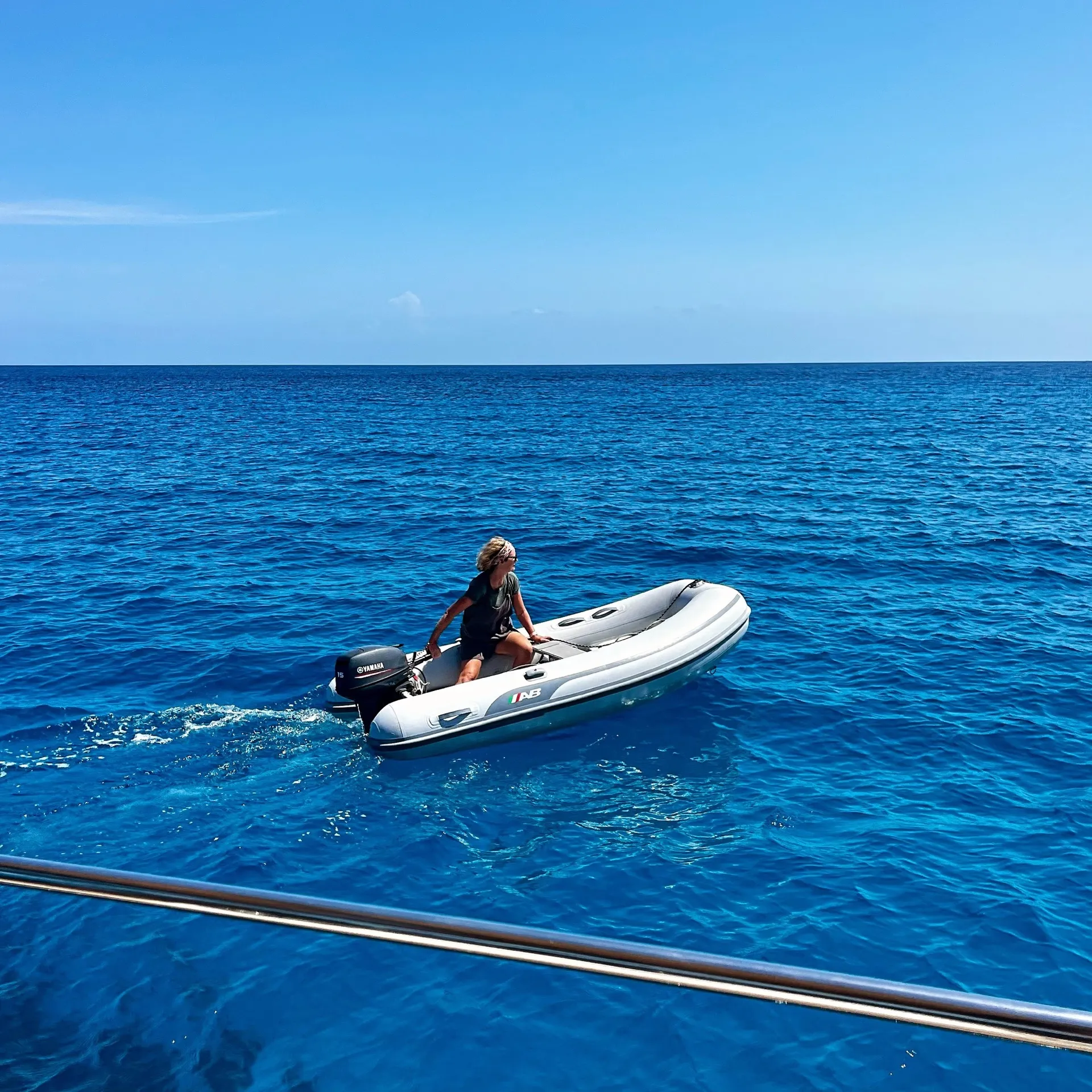
Life fell into a pleasant routine. Each day we’d take “the car” ashore for coffee, shopping and fast WiFi.
But hurricane season was coming, and we needed to get further south. The passage from the Caymans all the way to Cartagena, Colombia turned out to be one of the hardest we’ve ever had to plan. It needed multiple weather windows to align: the trades to get us south, and a gap in the thunderstorms off the Colombian coast. We waited, watched the models, and finally, the day came. Wish us luck!
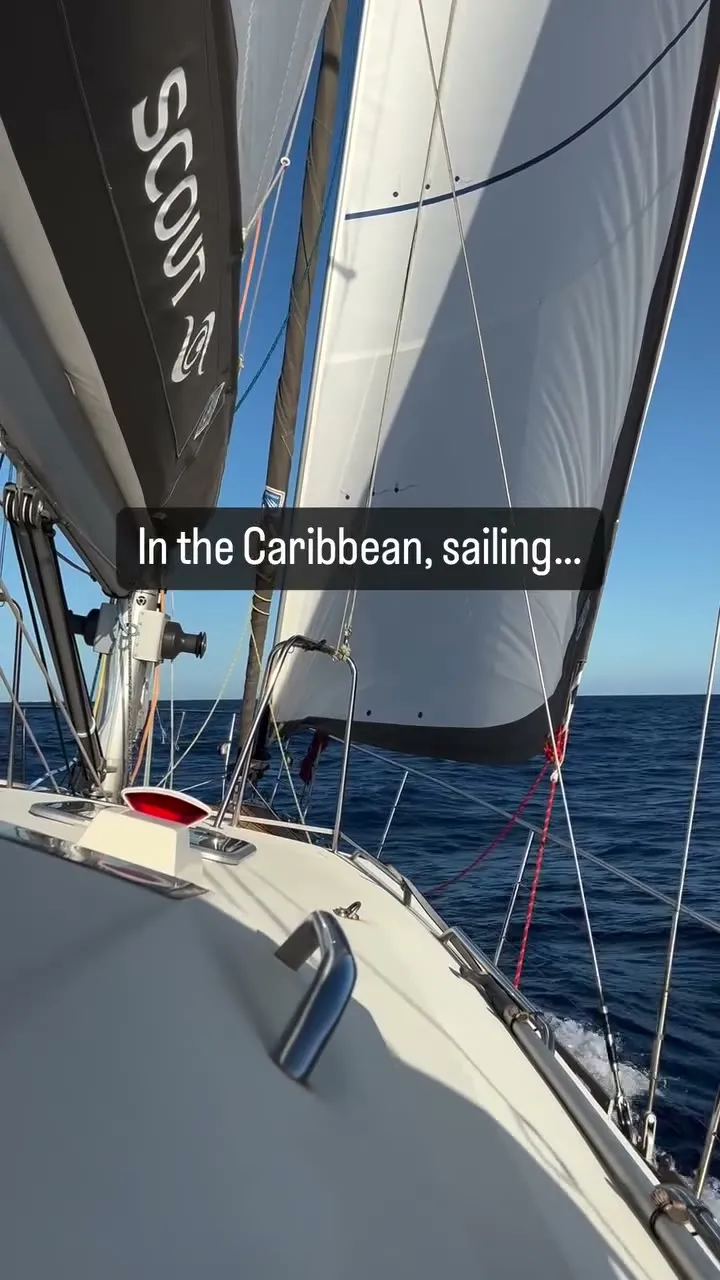
And what a passage it was. For six days, the sailing gods were kind: fast 7-knot reaches past Jamaica (close enough to pick up a Jamaican cell signal) and then the long run south across the open Caribbean. 19°N to 10°N in six days, and roughly 600 miles.
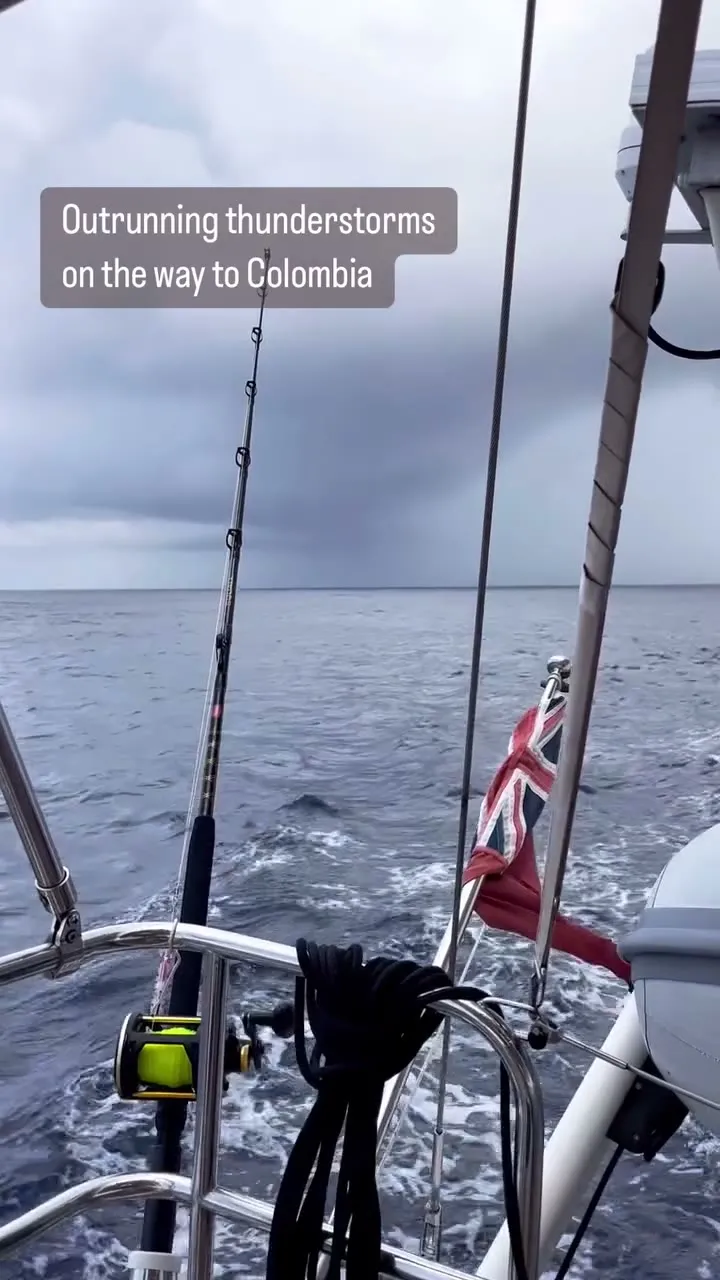
Colombia announced itself with thunderstorms. There were tens of them along the coast, and we spent the final night dodging between cells, with a lot of thanks to our 48nm radar for finding the gaps. We emerged unscathed.
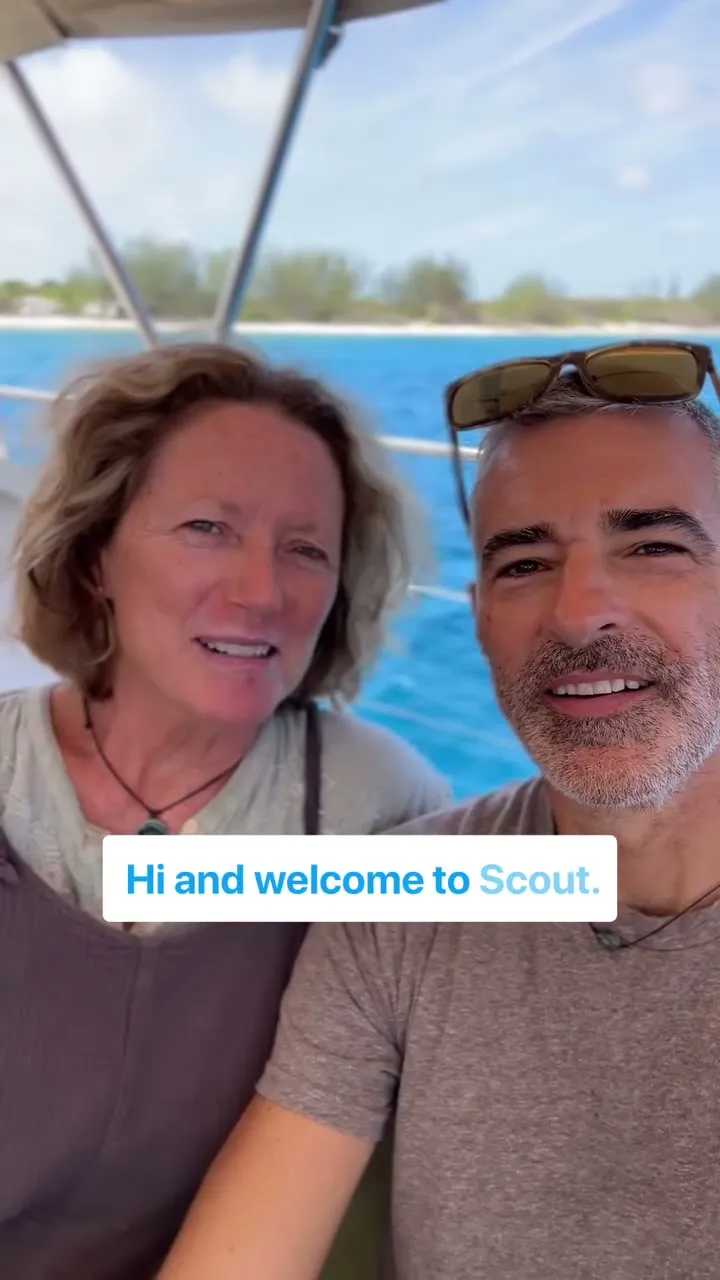
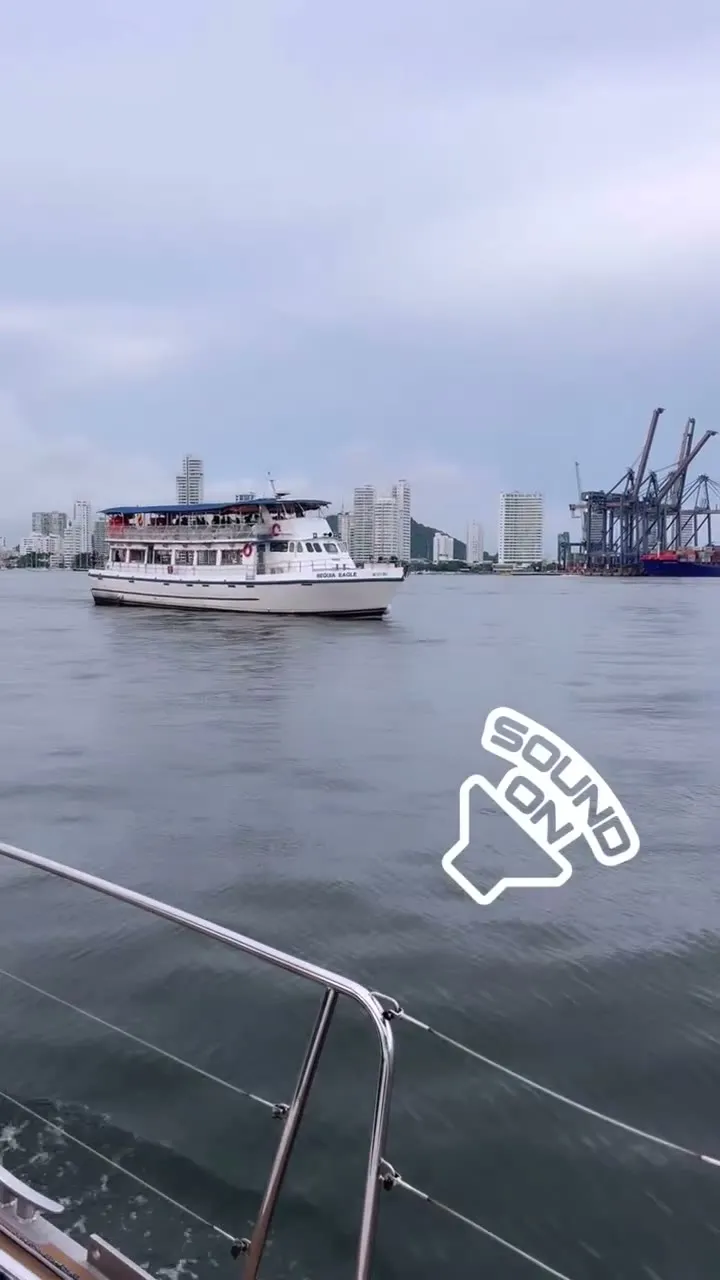
And then, suddenly: Cartagena. After the sleepy Caymans, it was quite the culture shock, with a walled colonial old town next to a forest of glass skyscrapers, all in the tropical humidity. We took our last flag photo for a while, switched into Spanish-learning mode, and settled in to sit out hurricane season.
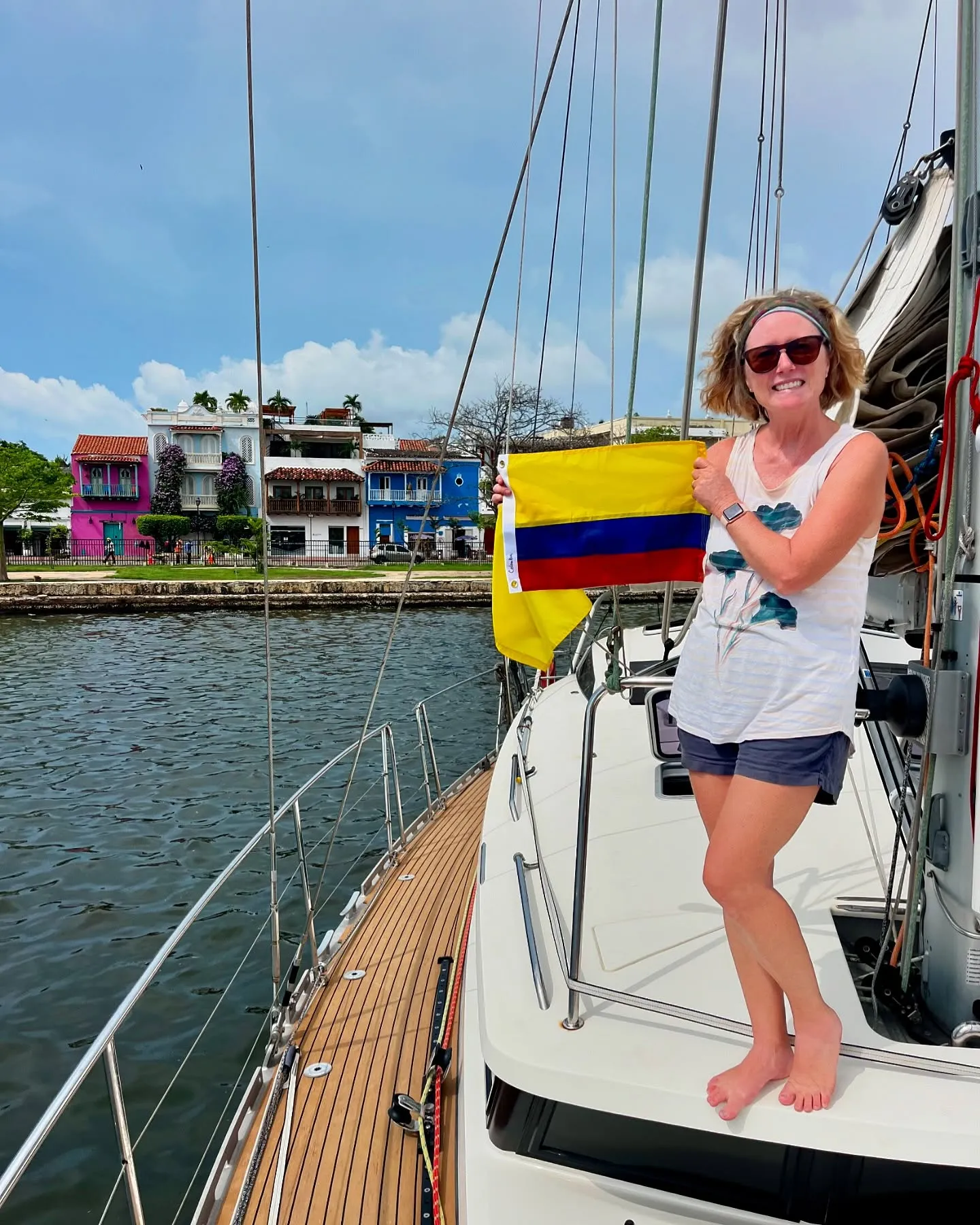
And with that, season two was over: five thousand miles from Grenada to Colombia.
Read the previous post: Belize: The Old Stomping Ground
Read the next post: A Hurricane Season in Cartagena