The Cayman Islands
In 1503, on his fourth voyage, Christopher Columbus came across a pair of low islands swarming with turtles, and named them Las Tortugas. We arrived in Grand Cayman some 521 years later - though with GPS, PredictWind, and a father in Devon watching our every move, we had rather less excuse for getting lost than he did.
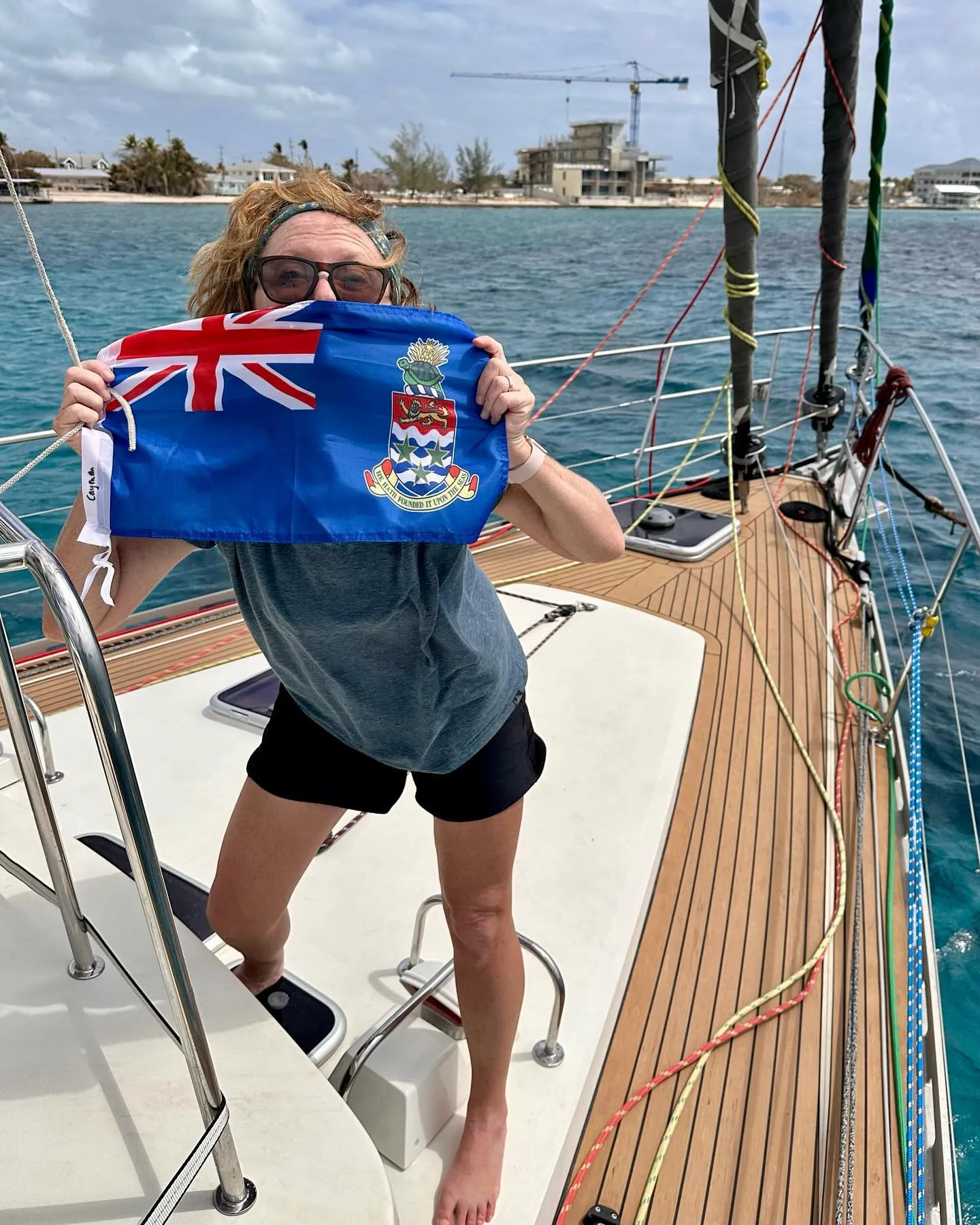
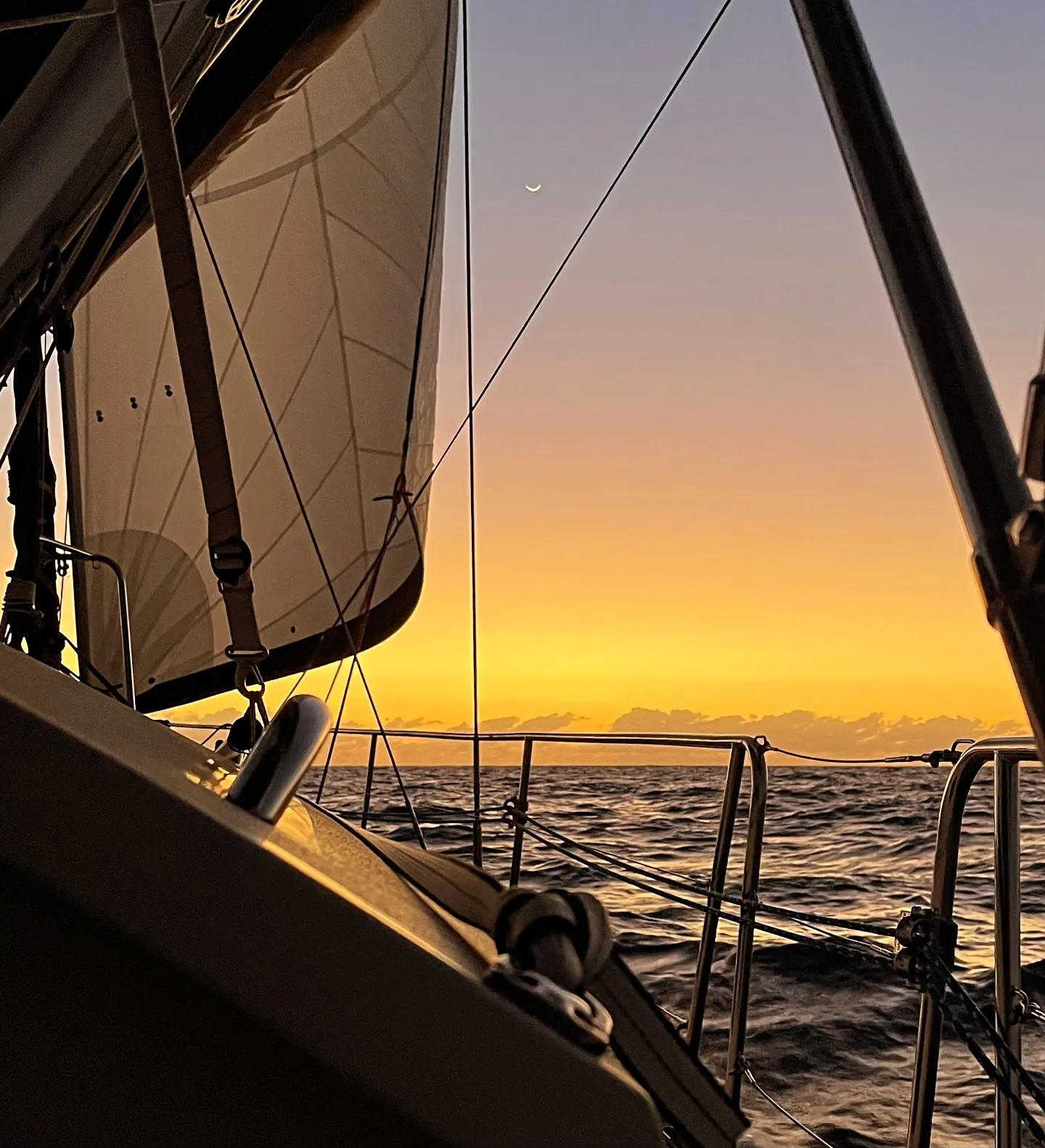
The passage from Jamaica was a beauty: a proper downwind sail across open Caribbean water.
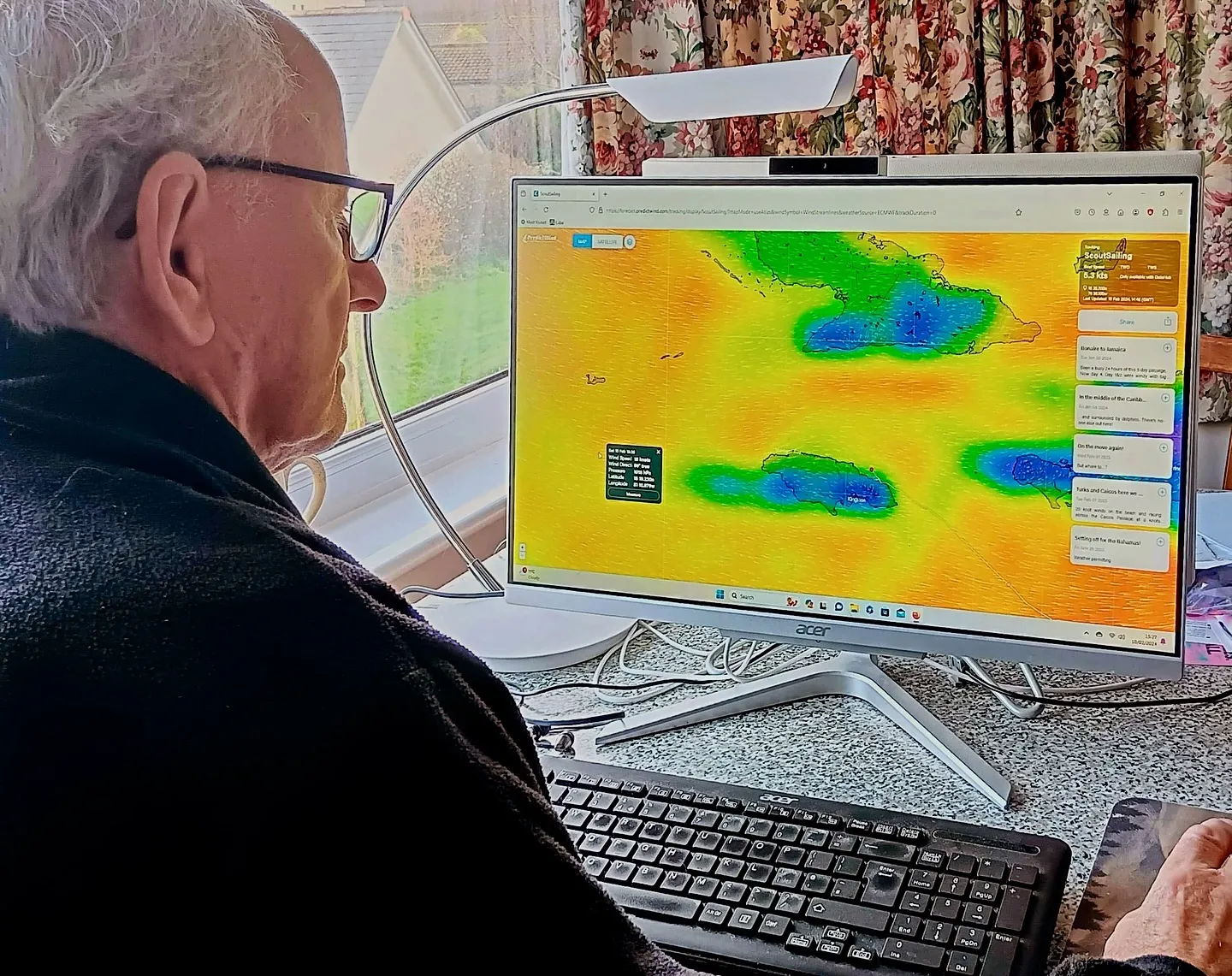
Speaking of Devon, a quick shout out to John Pearce: father, father-in-law, and Scout’s entire onshore control centre. Meteorologist extraordinaire, coastguard liaison, and morale-booster (via Iridium) for our longer passages, all from sunny Devon, England. Every boat should have one!
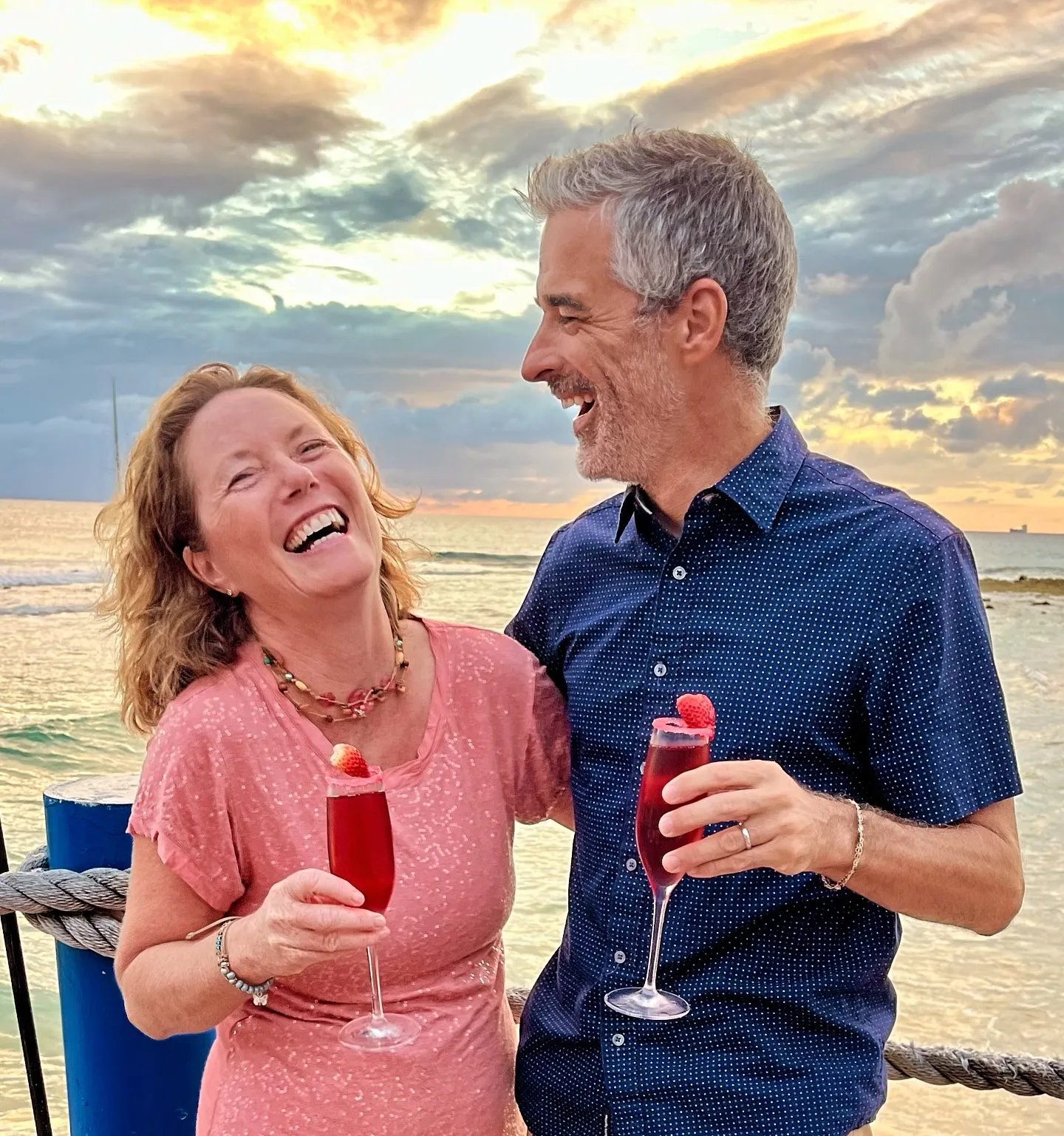
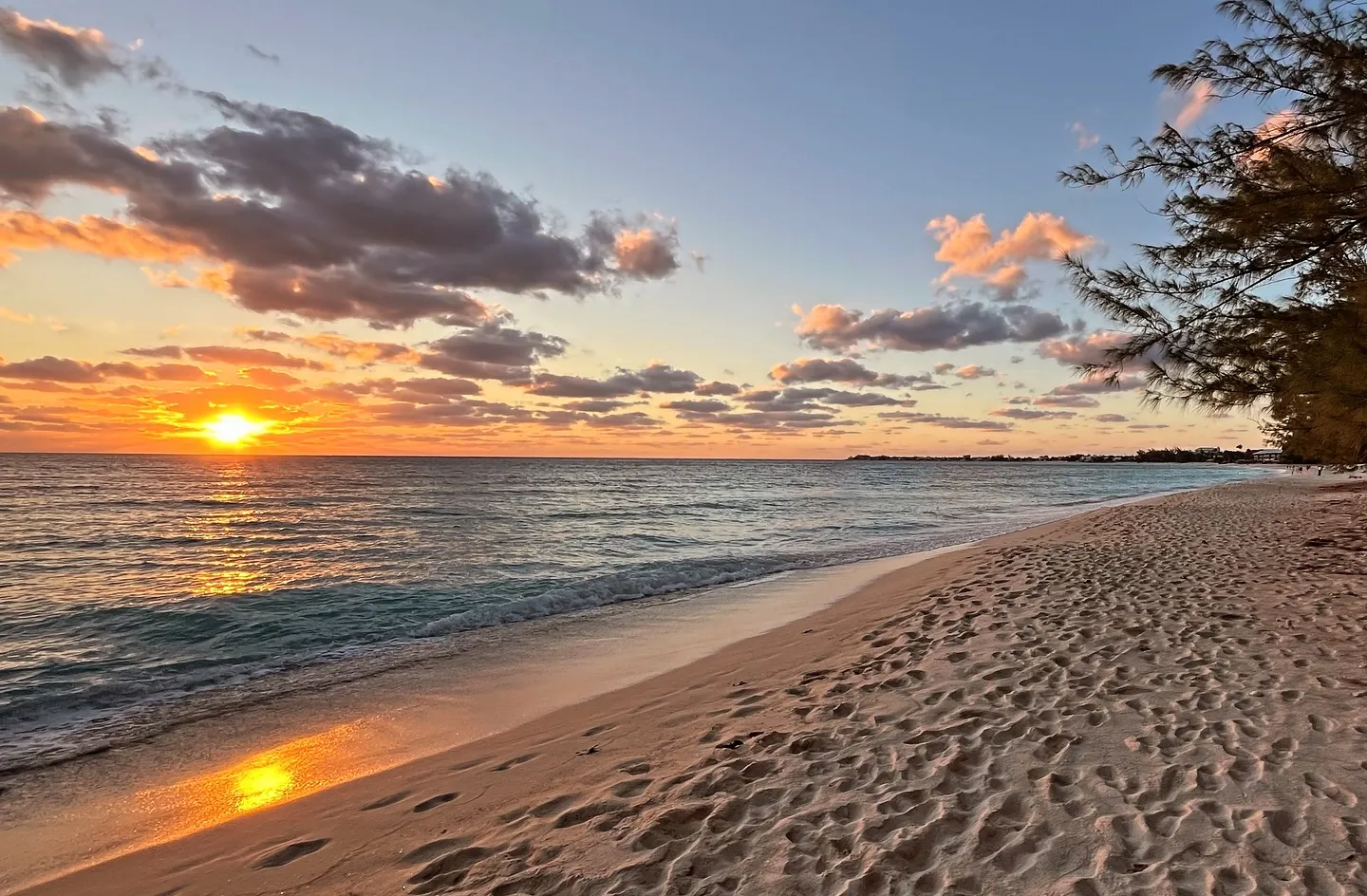
We settled into the Cayman rhythm quickly: swimming, sunsets, and beach runs.
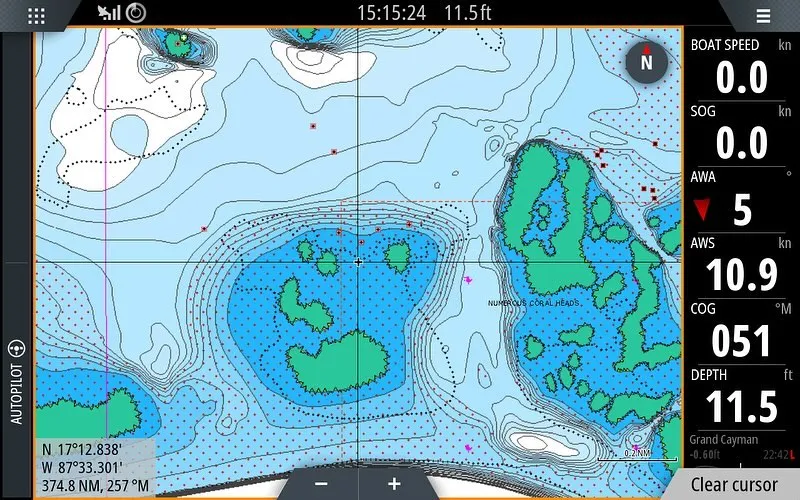
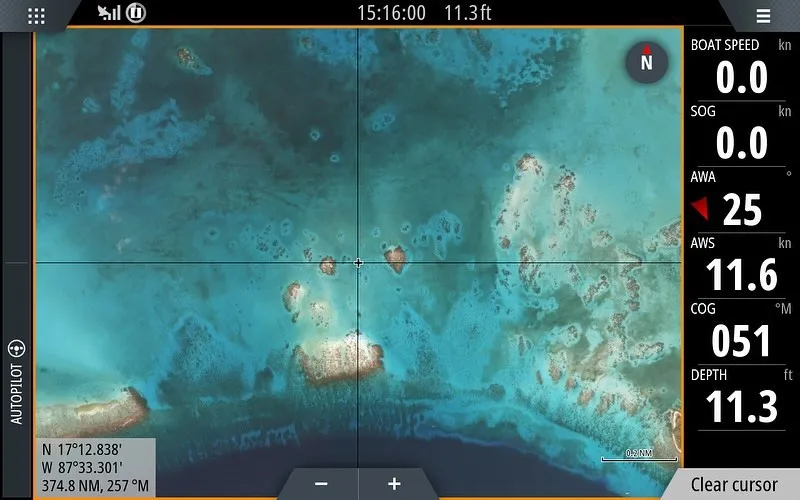
There was some boat work too, but of the enjoyable kind. With more remote cruising ahead of us, I spent a happy day hacking satellite imagery so that it would display offline on our chartplotters. Can you guess where this is?
Most days a cruise ship would come in, drop several thousand people off in George Town, and leave again at sunset. So farewell to the visiting cruise ship, from those of us who prefer sails!
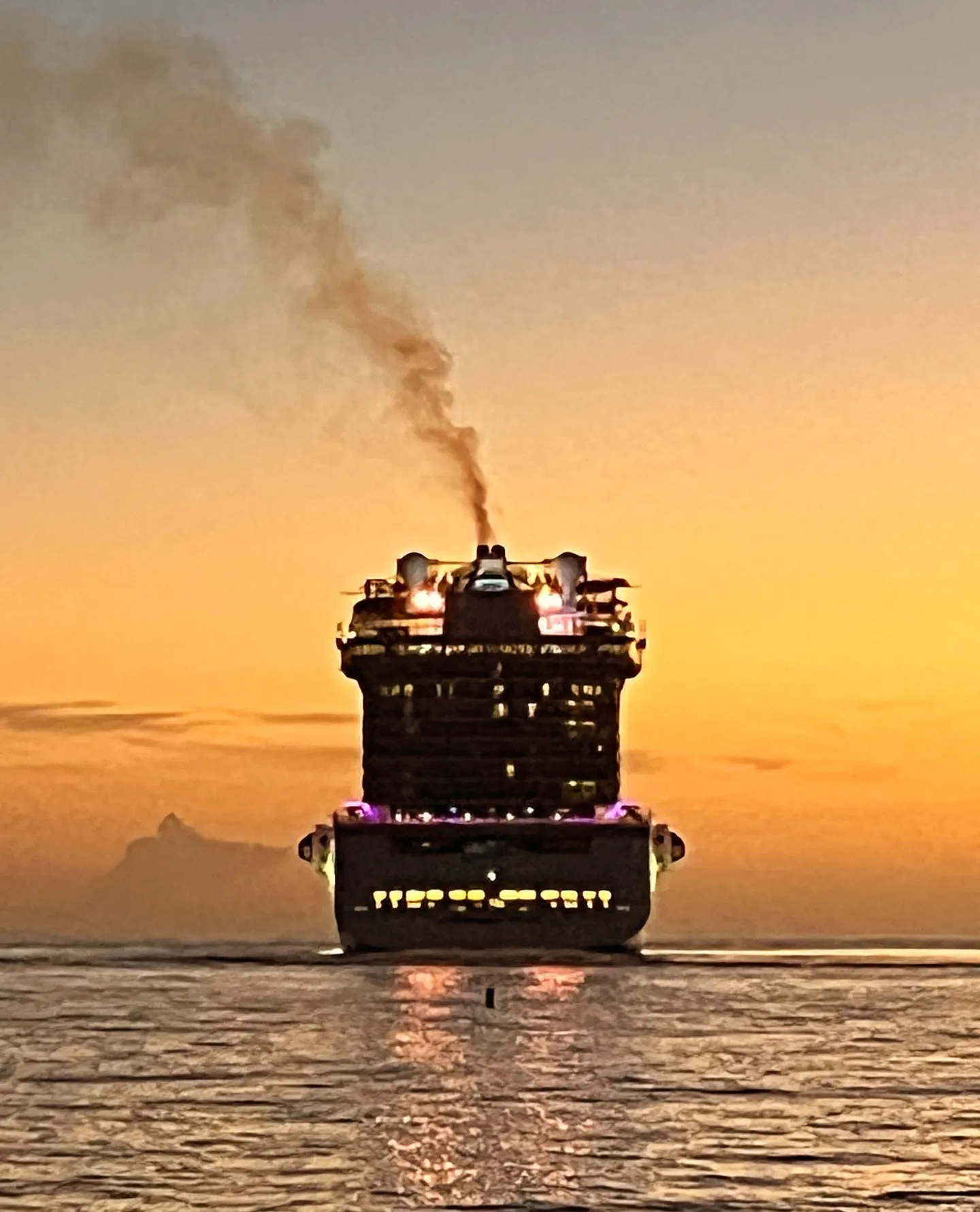
The Cayman colours at that time of day were spectacular.
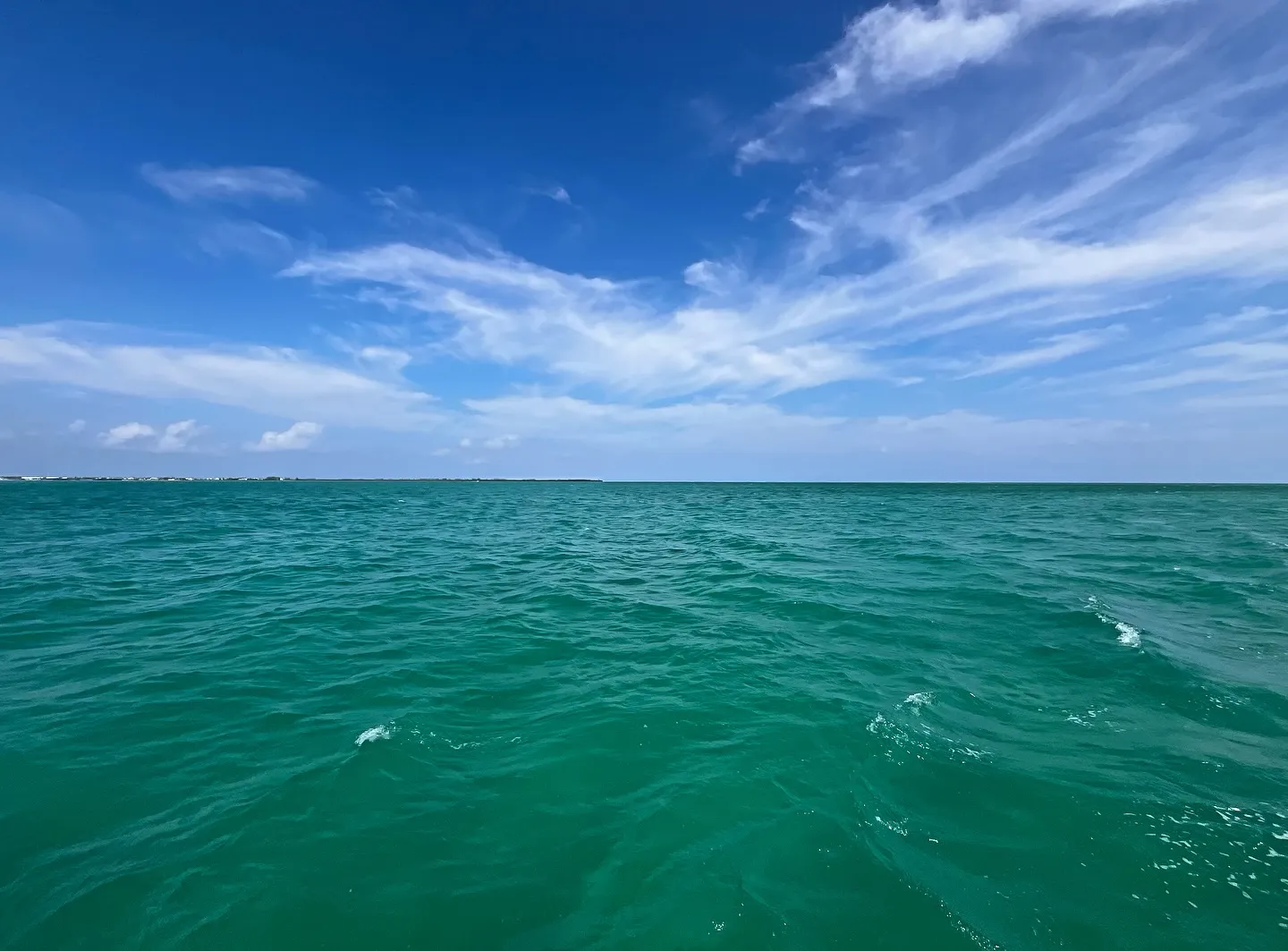
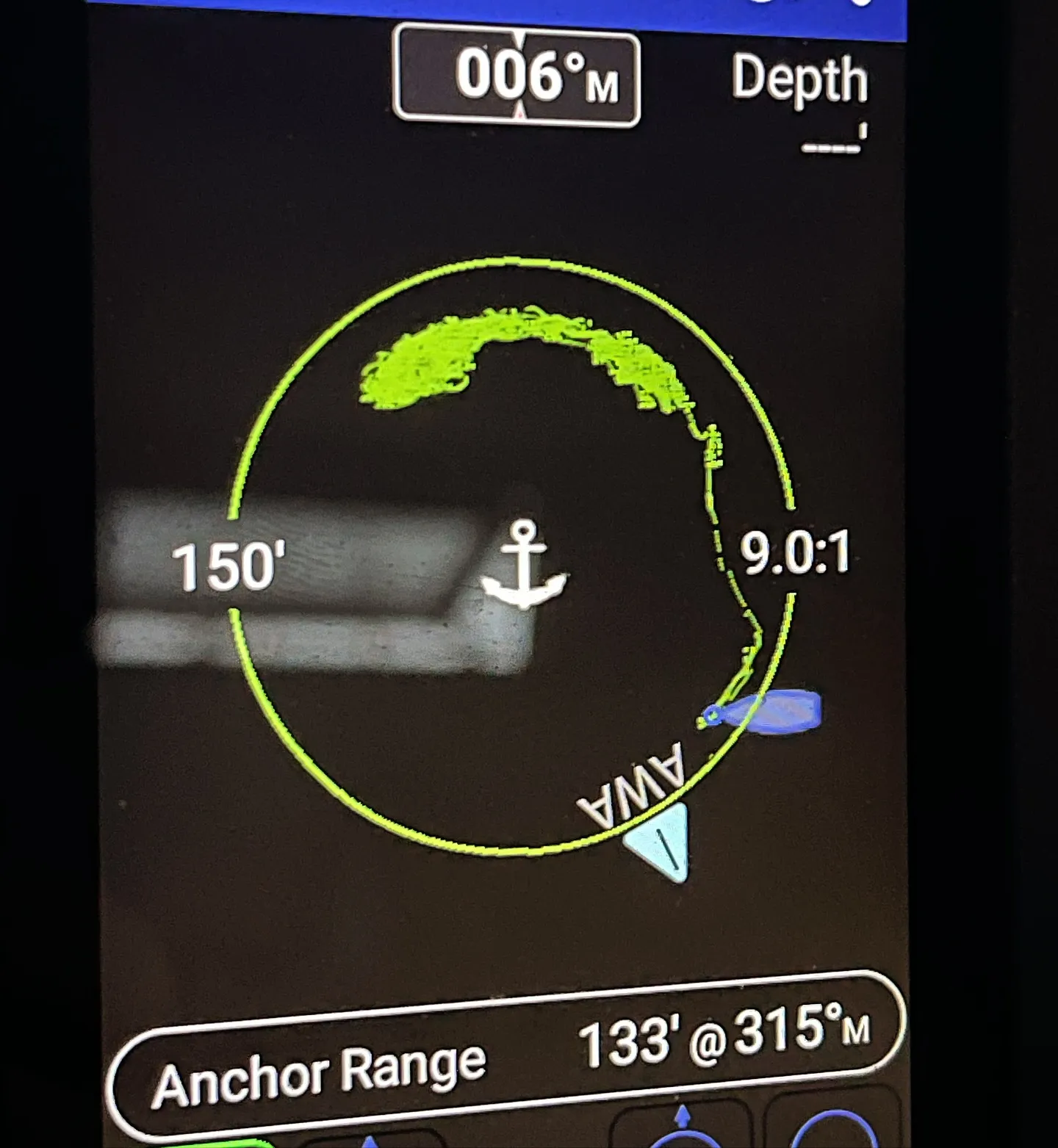
Then a cold front came through, and over a few days the wind went almost all the way around the clock. By the end of it, a northerly was blowing that felt (locally, at least) cold. It’s all relative, of course.
The good news was that our Ultra anchor didn’t budge an inch through the whole rotation, and the Vesper Cortex stood anchor watch without complaint, in addition to its day job as our VHF and AIS.
Once it had passed, it was back to sunsets and beach runs.
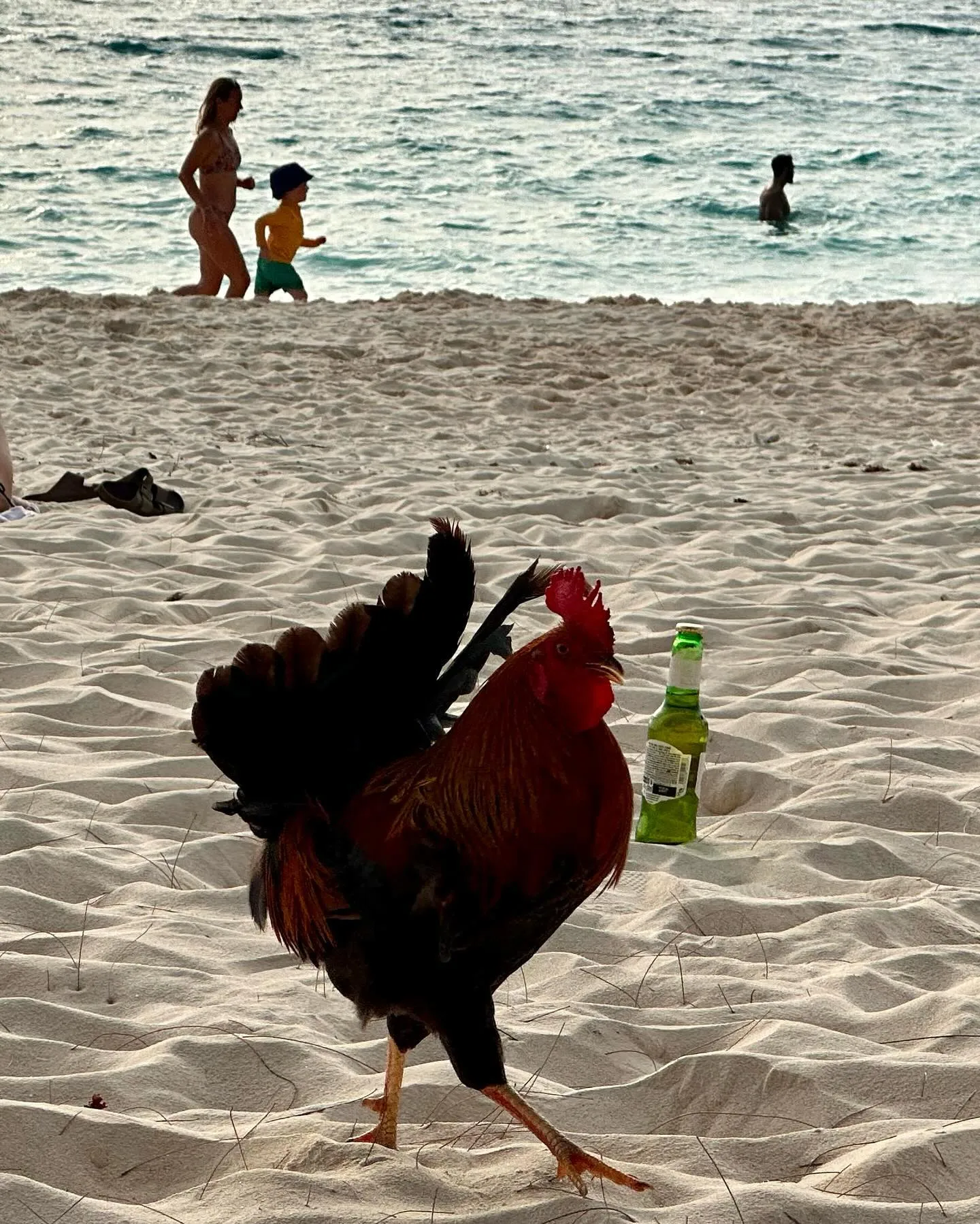
The local cockerels were ready for the weekend too.
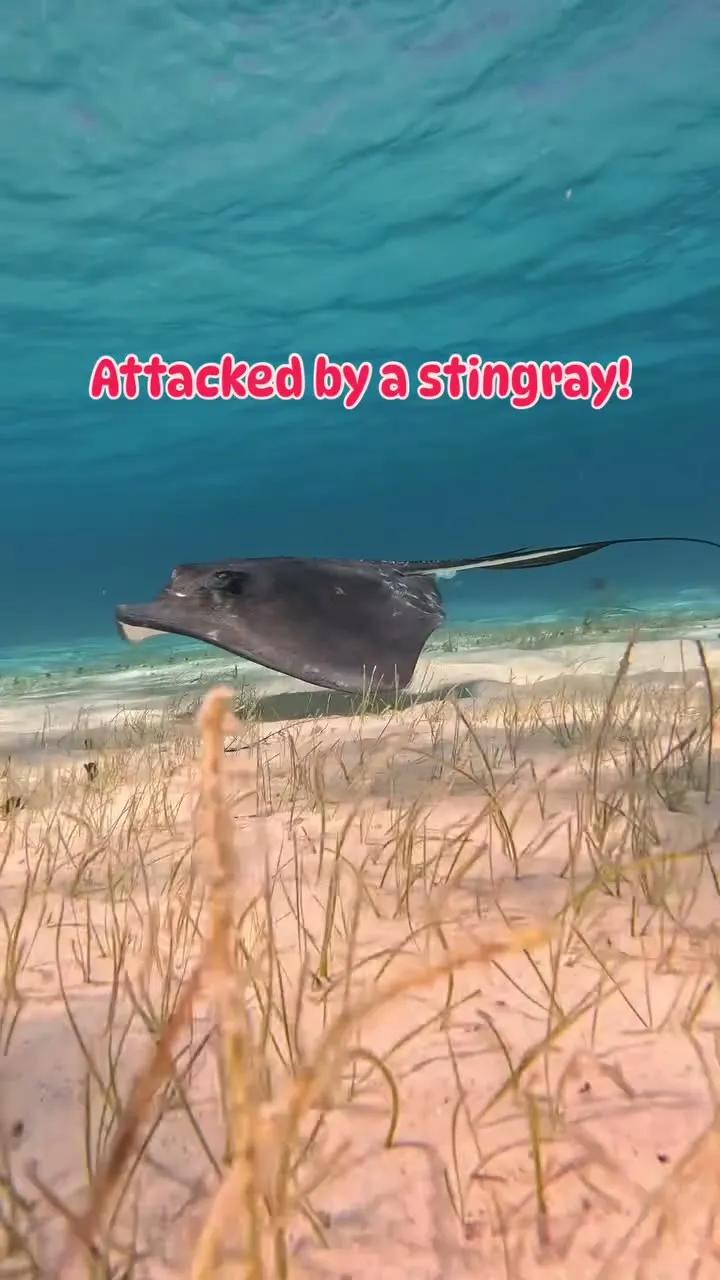
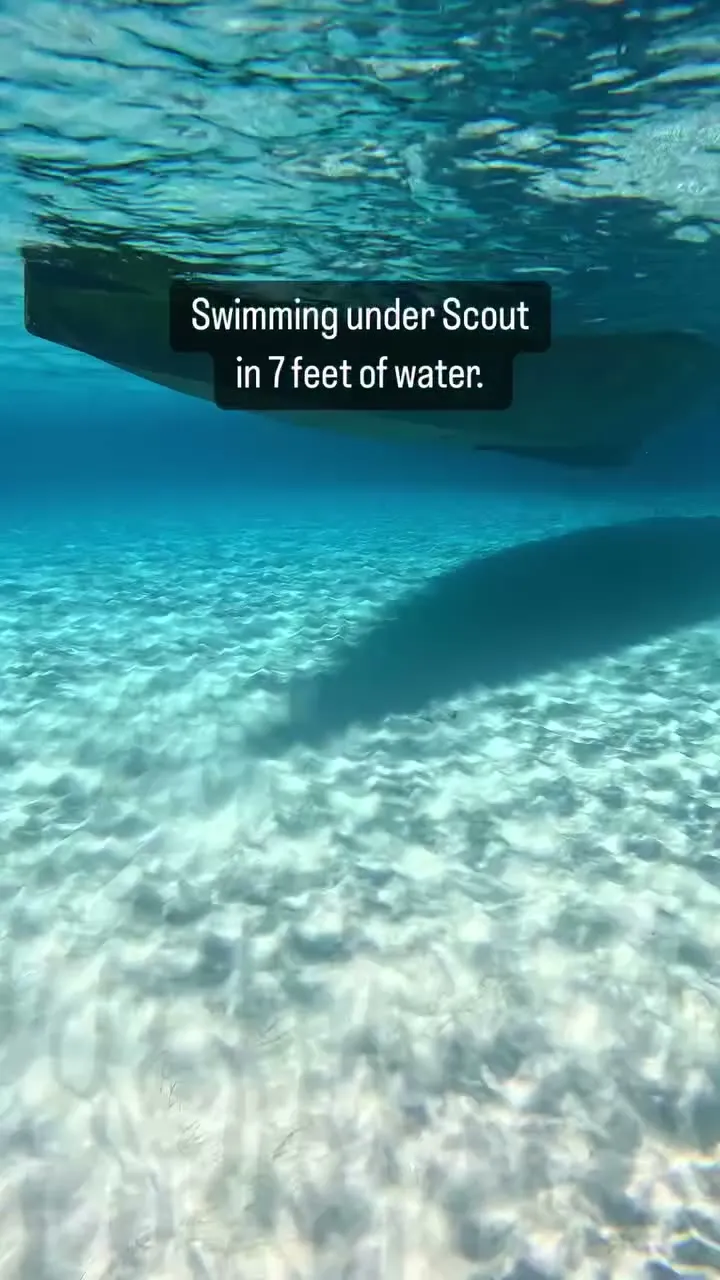
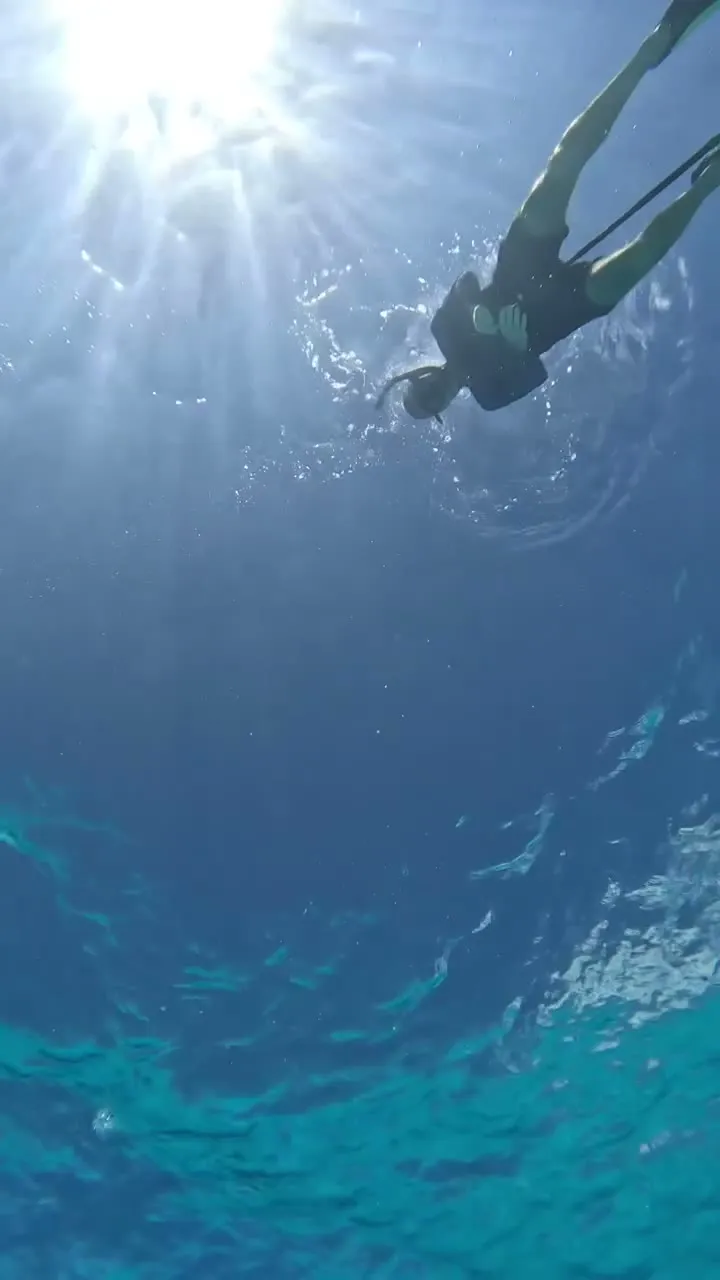
No visit to Grand Cayman is complete without Stingray City, and it deserves its reputation. We spent a day at anchor swimming with these gentle giants as they cruised the shallows. Scout’s lifting centreboard means she’s at home in that skinny turquoise water, and one particularly bold stingray photobombed the GoPro at close range.
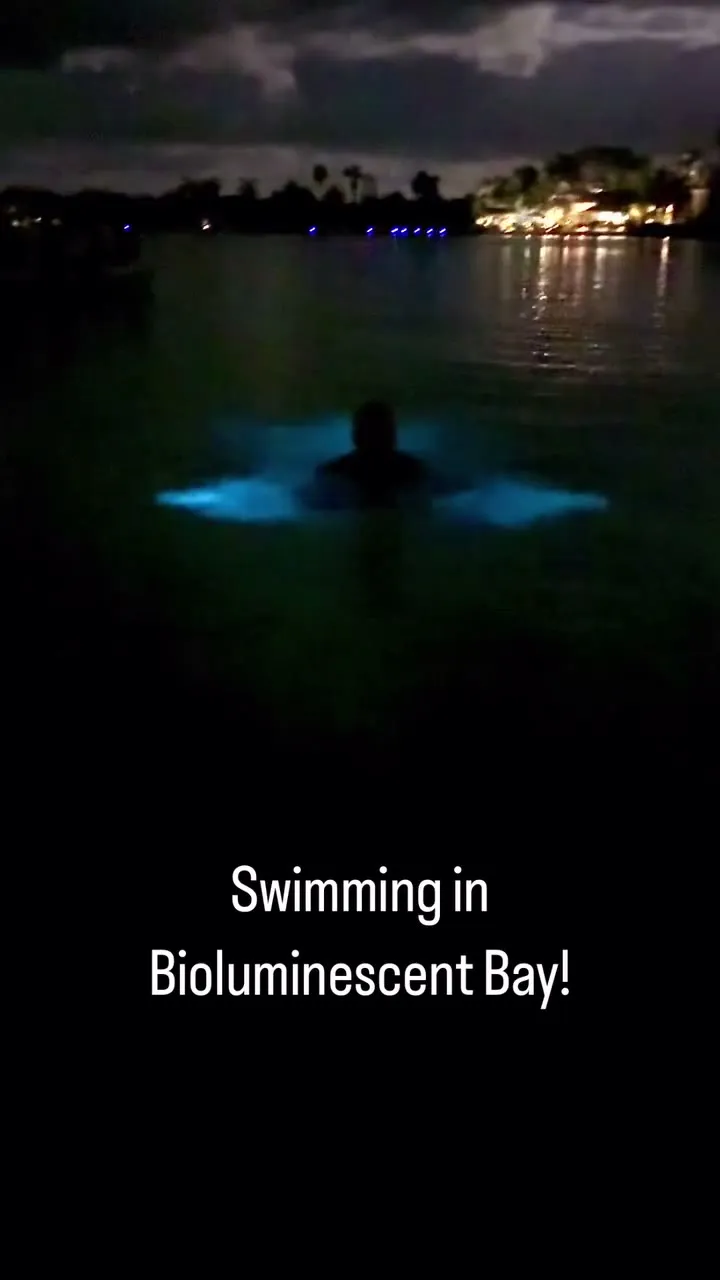
As February came to an end, we swam in Grand Cayman’s Bioluminescent Bay.
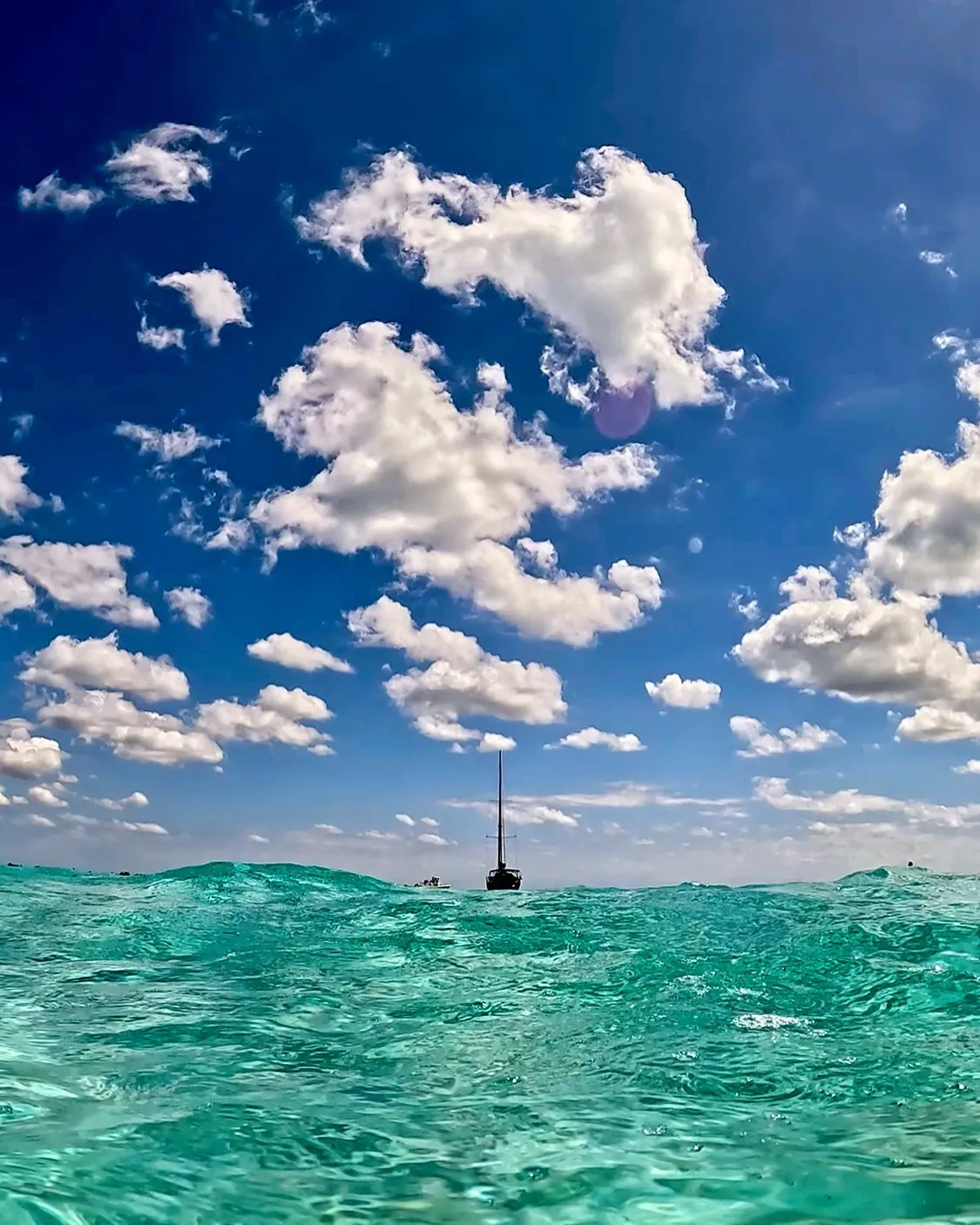
Our last evening in the Caymans was spent at what felt like the end of the world. Scout was completely in her element in the aquamarine water.
Next stop: southwest, to Honduras!
Read the previous post: Jamaica: Port Antonio, Nanny Falls and Blue Mountain Coffee
Read the next post: Honduras and the Bay Islands